


Blog
Differences Between Grade A, B, and C Plywood in the Construction Industry

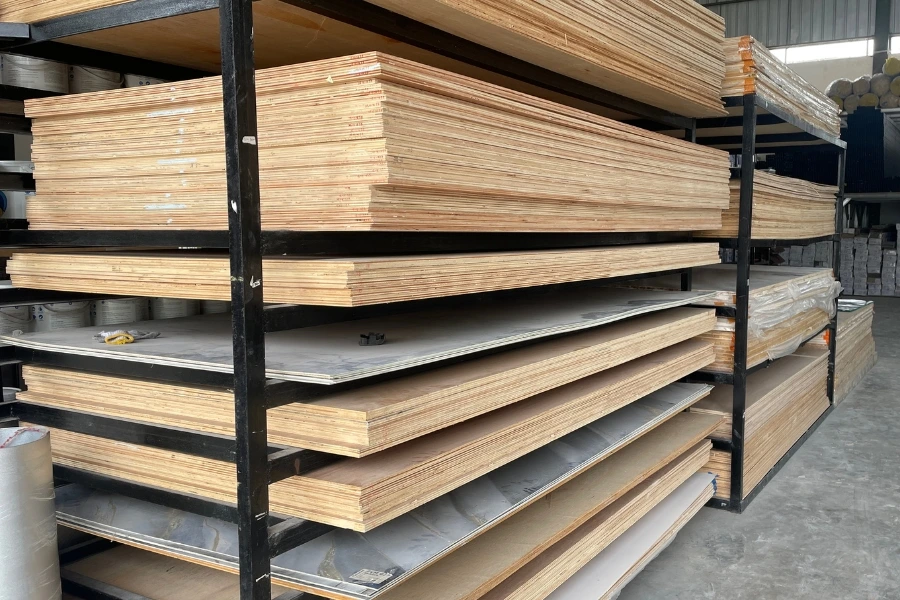
In the construction and furniture industries, plywood is one of the most commonly used materials because it is strong, stable, and easy to apply for various needs. However, not all plywood is of the same quality. There are several quality classifications known as plywood grades, ranging from Grade A to C, each with different characteristics and functions.
Understanding the differences in plywood grades is crucial so you can select the right material for your project’s needs. This is because using an inappropriate grade not only affects the final appearance but also the durability and cost-efficiency of the construction. So, before purchasing plywood for construction or interior design, let’s explore and understand the differences between grades A, B, and C in greater depth!
What Is Plywood Grading?
Plywood grades are a classification system used to assess the quality of the veneer surface or wood layers on a plywood panel. This assessment is typically based on the number of natural defects such as knots, small cracks, or color variations on the panel’s surface. The higher the grade, the smoother and neater the surface appearance. Conversely, lower grades usually have more natural defects, though they remain structurally sound for use.
In industrial practice, plywood grades are typically divided into several categories, such as A, B, C, and D. However, the most commonly used grades in construction and interior design are A, B, and C.
Differences Between Plywood Grades A, B, and C
Each type of plywood has different qualities depending on its grade. These differences are usually evident in the condition of the veneer surface, the number of natural defects in the wood, and the smoothness of the board. Here’s an explanation!
1. Grade A Plywood
Grade A represents the highest quality in the plywood category. Its surface is extremely smooth, has almost no defects, and has a neat appearance, making it suitable for applications where it is directly visible.
Key characteristics include:
- Extremely smooth and even surface
- Virtually no knots or cracks
- Relatively uniform veneer color
- Easy to finish with paint, veneer, or laminate
What is it used for?
- Premium furniture
- Kitchen sets
- Decorative interior panels
- Cabinets and tables
Because of its flawless appearance, Grade A plywood is often used for clearly visible furniture components.
2. Grade B Plywood
Grade B still offers good quality, but typically has minor defects such as small knots or slight color variations on the surface.
What are the main characteristics?
- The surface is fairly smooth
- There are minor defects, but they can still be corrected during finishing
- More affordable than Grade A
Common uses include:
- Shelves and cabinets
- Interior panels
- Standard furniture
- Light construction projects
In many construction projects, Grade B plywood is considered the ideal choice because it offers a balance between quality and price.
3. Grade C Plywood
Grade C plywood has a rougher surface with more natural defects, such as large knots, discoloration, or small cracks.
Characteristics of this plywood include:
- Less smooth surface
- Numerous natural defects on the veneer
- Most economical price
Grade C plywood is typically used for:
- Building structures
- Hidden partitions
- Construction underlayment
Although its appearance is less refined, this material remains structurally strong for specific construction needs.
Tips for Choosing the Right Plywood Grade
Choosing the right plywood grade is crucial to ensure the material used truly meets the project’s needs. It’s not just about appearance; plywood selection also impacts strength, durability, and construction cost efficiency. Here are some factors you should consider:
1. Determine the Intended Use
If the plywood will be used for visible parts such as furniture or decorative panels, it is best to choose grade A or B, which have a smoother surface. However, if it is used for structures or hidden parts, grade C can be a more economical choice.
2. Consider the Thickness of the Plywood
For furniture, plywood with a thickness of about 12–18 mm is usually strong enough. Meanwhile, construction projects that require greater durability typically call for thicker plywood.
3. Check the Condition of the Veneer Surface
Before purchasing, make sure there are no large cracks, holes, or signs of delamination that could compromise the board’s strength.
4. Choose a Reliable Supplier
Professional suppliers usually provide plywood with clear quality standards, ensuring the materials you use are reliable.
Therefore, understanding the differences in plywood grades is crucial before starting a construction project or furniture-making endeavor. Grade A is suitable for high-aesthetic needs, Grade B offers a balance between price and quality, while Grade C focuses more on structural function. Ultimately, plywood selection should be tailored to the project’s needs to ensure optimal results while remaining cost-effective.
For high-quality plywood materials for construction or interior design, you can consider products from Hojaya. We offer a variety of solutions, including Albasiah Palem plywood, MDF, HMCP, PVC board, and many more, suitable for building, furniture, and other construction projects. With guaranteed material quality, construction projects can proceed more robustly, neatly, and durably.
Come find the best plywood for your project at Hojaya and make sure every construction project uses the right, high-quality materials!