

Blog
Characteristics of Ready-to-Use Wood for Formwork

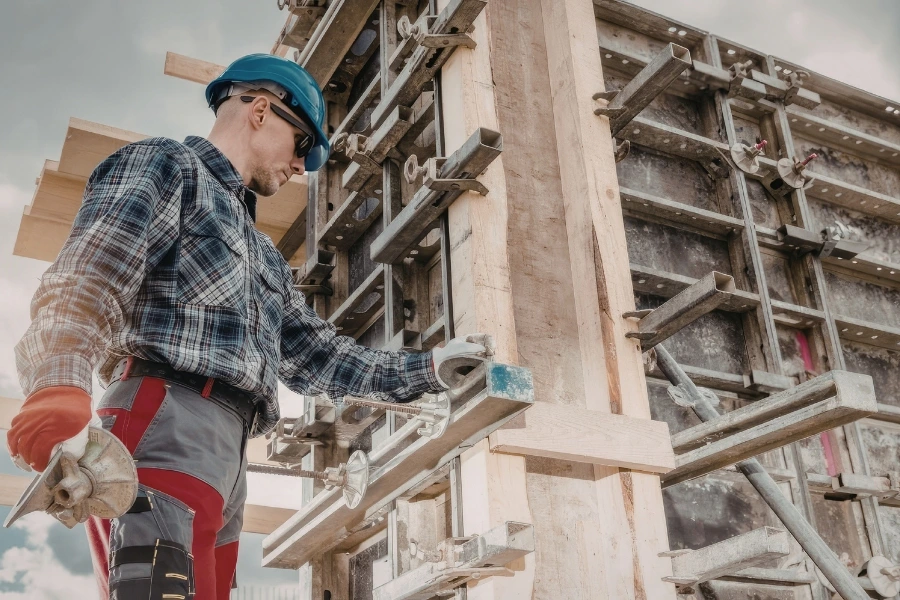
In the construction industry, material selection isn’t just about price—it’s also about quality and functionality. One material that’s often overlooked but plays a crucial role is formwork lumber. In fact, choosing the wrong material can result in imprecise concrete pours and even risk structural damage.
Formwork itself is a temporary mold used to hold concrete in place until it hardens and forms the structure according to the design. Since its function is so vital, the choice of wood material here cannot be arbitrary—it must be truly ready for use. So, what are the characteristics of wood suitable for formwork? Let’s find out!
What Are the Characteristics of Wood Suitable for Formwork?
Before being used in the concrete pouring process, wood for formwork must meet several important criteria to ensure the construction remains strong and precise. Not all wood is immediately suitable; you need to check the following conditions:
1. Stable Moisture Content
This is one of the most important factors. Wood that is too wet can shrink as it dries, while wood that is too dry can actually expand when exposed to water from the concrete. Ideally, wood for formwork should be in a semi-dry condition. This minimizes the risk of warping or cracking.
2. Good Compressive Strength
Formwork must be able to withstand the considerable weight of wet concrete. If the wood is too brittle, the risk of collapse or leakage is very high. Good wood typically has a dense grain structure and does not break easily under pressure.
3. Free of Major Defects (Holes, Cracks, or Excessive Knots)
Defects in the wood can cause concrete leakage or even temporary structural failure. A few knots are still tolerable, but if there are too many or large cracks, it’s best to avoid them.
4. Does Not Absorb Excessive Water
Wood that absorbs too much water can disrupt the concrete’s composition. Additionally, the concrete surface may not turn out as smooth as possible. Good formwork wood must be able to resist water and not leak to ensure optimal casting results.
What Kind of Wood Is Good for Formwork?
Well, there are several types of wood commonly used for formwork, namely:
- Sengon wood is more economical and suitable for small projects
- Meranti wood is stronger and more stable
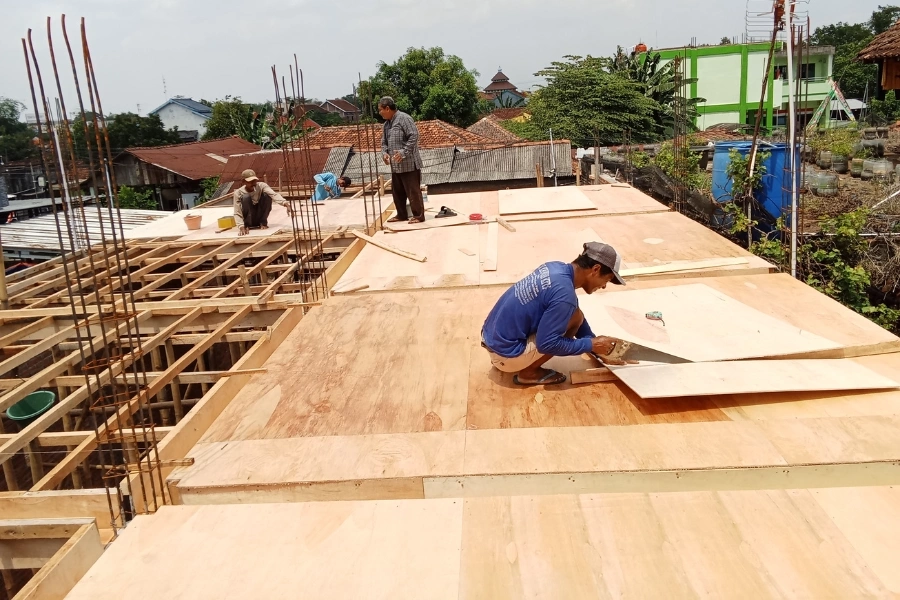
- Plywood is smoother and can be reused
Plywood is often the preferred choice because it is more durable and produces a smoother concrete surface compared to regular solid wood.
Read also: Durable and Neat Projects! Here Are the Types of Plywood for Formwork
Tips to Make Wood Last Longer
In addition to choosing the right wood, there are several tips to apply on-site to ensure the material lasts longer. What are they?
- Use a coating (oil or sealant) to prevent it from sticking to the concrete
- Store it in a dry place before use
- Avoid reusing it if it has started to deteriorate
With proper care, wood can even be reused multiple times for formwork needs.
So, choosing formwork wood isn’t something to take lightly. You need to pay close attention to moisture content, strength, surface quality, and physical condition. All of these factors directly impact the final casting results—from neatness and strength to the structural precision of the building you’re constructing.
The good news is, you don’t have to go through the hassle of sorting materials from scratch. Hojaya can help you obtain practical, high-quality wood materials for formwork needs. From Kalimantan meranti, Samarinda kemper, and bengkirai to plywood and other options, we offer ready-to-use standards for construction projects.
In short, by choosing the right materials from the start, you can avoid many on-site challenges, ranging from formwork that’s prone to damage, less-than-neat casting results, to cost overruns due to materials that don’t last.
Let’s make sure your project runs more smoothly and delivers maximum results. Visit Hojaya’s official website to view our products or contact us directly!