



Blog
Why Is Plywood the Top Choice for Formwork in Construction Projects?

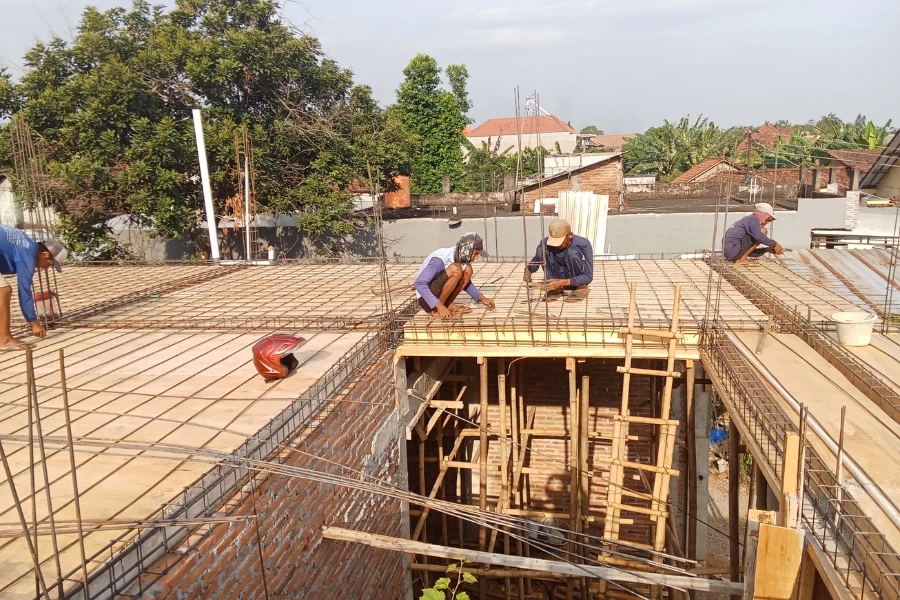
In the construction industry, choosing formwork materials isn’t just about cost—it’s also about efficiency, strength, and the final quality of the concrete. One material that’s becoming increasingly popular is plywood. In fact, many professional contractors now prefer plywood for formwork over conventional lumber.
Interestingly, this trend toward plywood isn’t without reason. Many projects—from small-scale to large-scale—are making the switch due to its practicality and the more consistent quality of results. Additionally, using the right material from the start can minimize the risk of wasting time and money during the construction process.
Want to know more about what makes plywood so reliable? Let’s dive deeper!
What Is Plywood?
Plywood is an engineered wood material consisting of several layers of veneer glued together cross-grain. This structure makes it far more stable than ordinary solid wood.
In construction, plywood is commonly used as temporary formwork to support and shape concrete until it hardens. This material must be strong, precise, and resistant to warping when subjected to the pressure of wet concrete.
Why Is Plywood the Top Choice for Formwork?
What makes plywood so frequently used in formwork projects? It’s not just practical; this material also meets the diverse demands of modern construction, which require efficiency and precise results. Here are the advantages it offers!
1. Superior Strength and Stability
The main reason plywood is so popular is its strength. Because it is constructed with cross-laminated layers, plywood offers high resistance to pressure and is not prone to cracking or warping. This is particularly important in formwork, as wet concrete exerts significant pressure. Plywood structures are able to maintain the precision of the formwork’s shape throughout the pouring process.
2. Smoother Surface, Neater Concrete Finish
Unlike regular wood, plywood surfaces tend to be flatter and smoother. In fact, certain types, such as film-faced plywood have surfaces coated with a special material (phenolic resin), resulting in a smoother concrete finish with minimal defects.
This is why plywood is often chosen for formwork in projects requiring high-quality concrete finishes with minimal additional repairs.
3. Reusable
Cost efficiency is a key factor in construction projects. Plywood excels because it can be reused multiple times, especially when using high-quality types. Some types can even be used up to a dozen times, depending on maintenance and on-site conditions. This is clearly more cost-effective than ordinary wood, which tends to deteriorate quickly.
4. Lighter and Easier to Install
Compared to other materials such as steel or thick solid wood, plywood is relatively lighter. This simplifies the process of installing and dismantling formwork. Additionally, its precise and uniform dimensions speed up on-site work, which means it can save time and labor.
5. Resistant to Weather Changes and Humidity
Plywood has fairly good resistance to humidity and temperature changes. This is important because formwork is often exposed to water from wet concrete. The laminated structure of plywood makes it more stable and less prone to shrinking or expanding compared to regular wood.
What Types of Plywood Are Used in Formwork?
In construction practice, not all plywood is suitable for formwork. You must select it based on project requirements, frequency of use, and the desired quality of the concrete finish. Here are some commonly used types:
1. Film-Faced Plywood
This type is the most popular for formwork. Its surface is coated with a phenolic film, making it water-resistant, less prone to sticking to concrete, and producing a smoother concrete surface. Additionally, it has high durability, allowing it to be reused multiple times.
2. Standard Plywood (Multiplek)
Standard plywood is also frequently used, particularly for small-scale projects or single-use applications. It is more affordable, but its resistance to water and pressure is not as good as that of film-faced plywood.
3. Marine Plywood
This type offers excellent resistance to water and moisture. It is typically used in projects requiring extra durability, such as construction in areas with humid or wet environmental conditions.
4. Structural Plywood
Structural plywood is specifically designed for construction needs with specific strength standards. It is suitable for formwork that requires high resistance to heavy loads.
So, if you’re still unsure about which formwork material to choose, the answer is quite clear. Plywood for formwork offers a combination of strength, efficiency, and a neater finish compared to other materials.
You can get high-quality plywood for your project needs at Hojaya. We offer a wide range of options, including plywood, multiplex, and film-faced plywood, all suitable for formwork and other construction needs. With our guaranteed material quality, your work becomes more practical and the results are maximized.
Let’s choose the right material from the start so your project runs more smoothly without significant obstacles. Contact us for a direct consultation regarding your project’s wood needs!