


Blog
Engineered Wood vs. Solid Wood, Which Is More Cost-Effective in the Long Run?

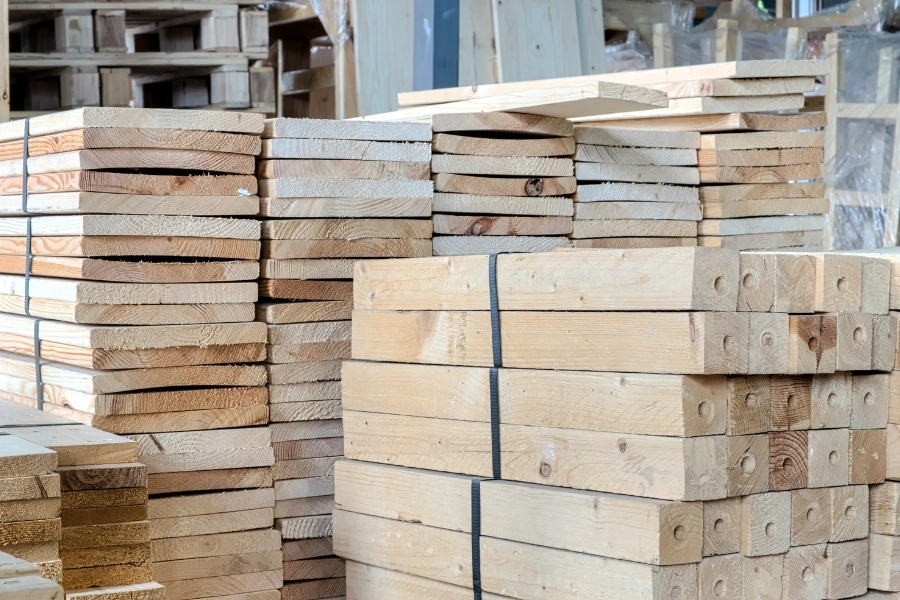
When choosing materials for furniture, interiors, or light construction, many people often struggle to decide between engineered wood and solid wood. At first glance, both appear equally strong and attractive. However, when considering cost, durability, maintenance, and long-term efficiency, there are actually many factors that require deeper consideration.
Interestingly, the trend toward using engineered wood materials like plywood, MDF, and blockboard continues to rise because they’re considered more stable and cost-effective. On the other hand, solid wood remains a premium choice for specific needs due to its natural appearance and renowned durability.
So, which is actually more efficient in the long run?
What Are Engineered Wood and Solid Wood?
Simply put, engineered wood is a wood-based material that has been reprocessed using specific technologies. Examples include plywood, MDF, particle board, and blockboard. These materials are designed to be more stable, efficient, and easier to apply for various needs. Some modern engineered wood products are even engineered to have better dimensional stability than natural wood, especially for areas with high fluctuations in temperature and humidity.
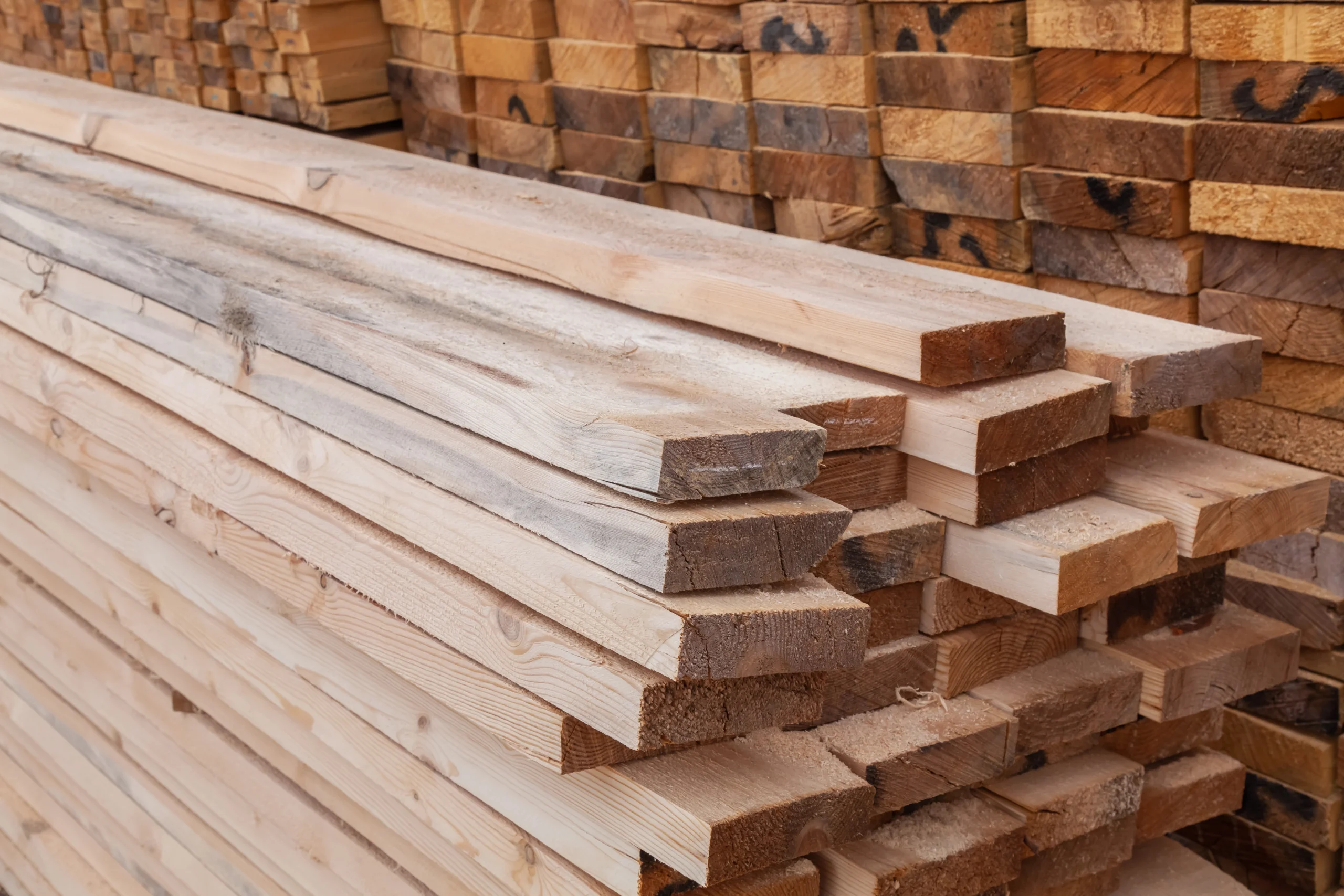
Meanwhile, solid wood comes directly from tree trunks without any sheet engineering processes. This type is typically used for premium tables, window frames, doors, and classic furniture.
Cost-Efficiency Comparison
When it comes to budget, engineered wood is generally much more cost-effective than solid wood. This is because the production process utilizes reclaimed wood scraps, wood dust, or reprocessed veneer, resulting in more efficient use of raw materials. Materials like particle board and MDF are indeed known for their affordability in minimalist interior design. However, for greater strength, blockboard and plywood are usually recommended.
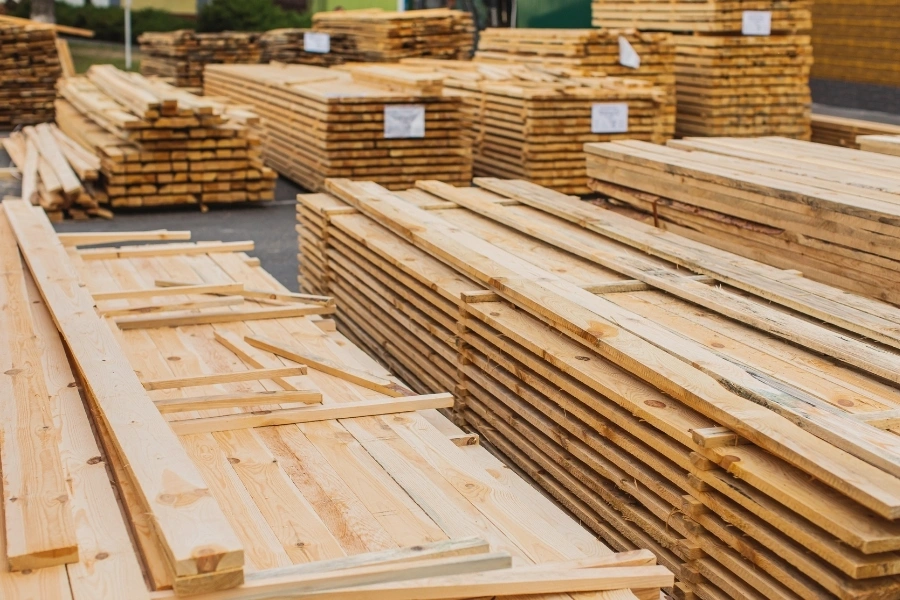
Natural wood, on the other hand, is more expensive due to the quality of its natural grain, the drying process, and its increasingly limited availability. This is especially true for premium types like teak or merbau.
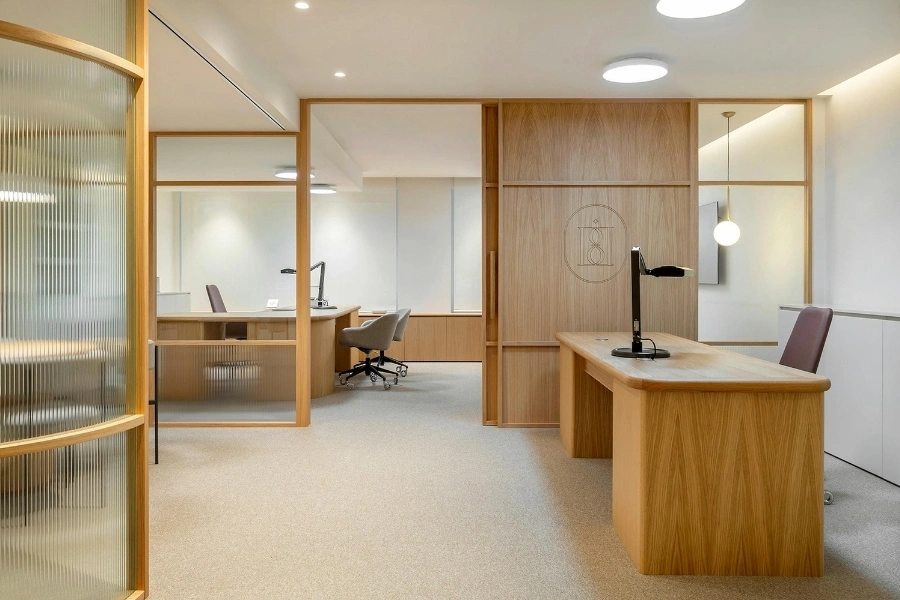
In long-term projects, this cost difference can be quite significant, particularly for large-scale needs such as kitchen sets, cabinetry, or office interiors.
Which Is More Durable?
Is solid wood more durable than engineered wood? The answer depends on its intended use.
For heavy-duty applications and premium furniture, natural wood does indeed excel in terms of longevity. With proper care, this material can last for decades and even be passed down through generations.
However, that doesn’t mean engineered wood is always inferior. Today, there are many high-quality plywood and blockboard products that offer excellent resistance to warping, especially for indoor use. In fact, some types of engineered wood are more resistant to warping than natural wood because their layered structure is more stable.
On the other hand, natural wood is more prone to shrinking or expanding due to weather changes if the drying process is not done properly.
In Terms of Maintenance, Which Is More Practical?
If you’re looking for a low-maintenance material, engineered wood might be the more practical choice. Modern plywood and blockboard are generally designed to be easily coated with HPL, veneer, or other finishes, ensuring they maintain a neat appearance for a long time. Additionally, they tend to be lighter in weight and easier to install.
In contrast, solid wood requires extra care, such as re-coating, protection against termites, and controlling indoor humidity. That’s why many modern interiors now use plywood and blockboard for better efficiency and easier maintenance.
Comparison of Environmental Factors
From a sustainability perspective, engineered wood is considered more efficient because it makes the most of wood materials. Many engineered wood products are made from wood chips, fibers, or scraps that were previously unused. Meanwhile, the use of large quantities of natural wood can accelerate the depletion of natural timber if it does not come from sustainably managed forests. Therefore, for modern projects that prioritize material efficiency and sustainability, engineered wood is often the more sensible solution.
FAQ
What are the drawbacks of engineered wood?
Some types of engineered wood, such as particle board, have lower water resistance compared to plywood or blockboard. Therefore, the choice must be tailored to the specific application.
Is natural wood suitable for kitchen cabinets?
Yes, but it requires extra care because the kitchen area has relatively high humidity.
Which is stronger, plywood or MDF?
Plywood is generally stronger and more moisture-resistant than MDF because it has a more solid veneer layer structure.
Why is blockboard often used for furniture?
Because this material is quite stable, lightweight, economical, and has good screw-holding strength for interior furniture needs.
Is natural wood always more expensive?
Generally yes, especially for premium wood types with high quality and a long lifespan.
So, Which Is More Efficient in the Long Run?
Ultimately, if your primary focus is a premium look and natural aesthetic appeal, solid wood still holds an appeal that’s hard to beat. However, when considering cost efficiency, material stability, ease of maintenance, and versatility, engineered wood can be a far more rational choice in the long run.
Whatever your choice, make sure you use high-quality materials. For premium-quality wood materials with proven reliability, you can find them at Hojaya!
We offer a wide range of wood materials, from solid wood, blockboard, plywood, MDF, HMR, and many more perfect for furniture, kitchen sets, home interiors, office spaces, and various other construction projects. Every product is designed to provide consistent material quality, a neat appearance, and optimal durability for long-term use.
What are you waiting for? Let’s contact us for a consultation on your wood material needs today and find the best solution that fits your requirements!