

Blog
How to Determine Wood Quality Before Buying, Let’s Take a Look!

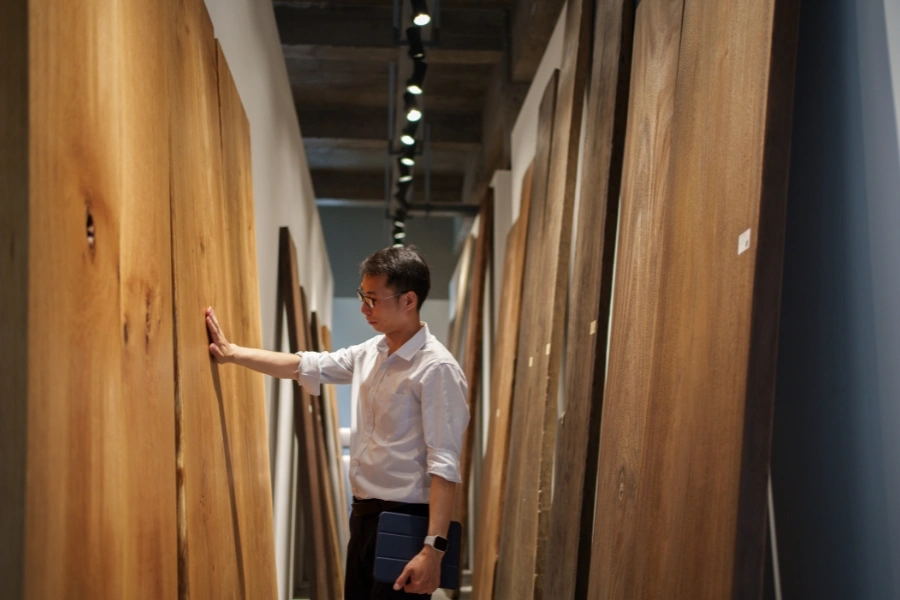
Choosing wood shouldn’t be based solely on price or appearance. Many people only realize the quality of the material they’ve used after the wood starts to warp, crack, get infested by termites, or even lose its strength in a short period of time. In fact, understanding wood quality before buying can help you save on repair costs while ensuring your construction project or furniture lasts longer.
Well, every type of wood has different characteristics, ranging from strength, weather resistance, moisture content, to dimensional stability. Therefore, it’s important for you to know some key indicators before deciding to buy wood. Let’s learn more!
Why Is Quality So Important?
High-quality wood has greater resistance to loads, temperature changes, humidity, and attacks by destructive organisms such as mold and termites. Conversely, low-quality wood can potentially cause various problems, such as:
- It cracks and breaks easily.
- It shrinks excessively.
- It rots quickly.
- It cannot support the required load.
- It has a shorter service life.
That’s why checking the quality from the start is a crucial step for both construction projects and furniture making.
How to Determine Wood Quality Before Buying
Wood that looks good isn’t necessarily of good quality. Here’s how to check the physical condition, moisture content, and durability of wood so you can avoid materials that are prone to damage!
1. Examine the Color and Grain of the Wood
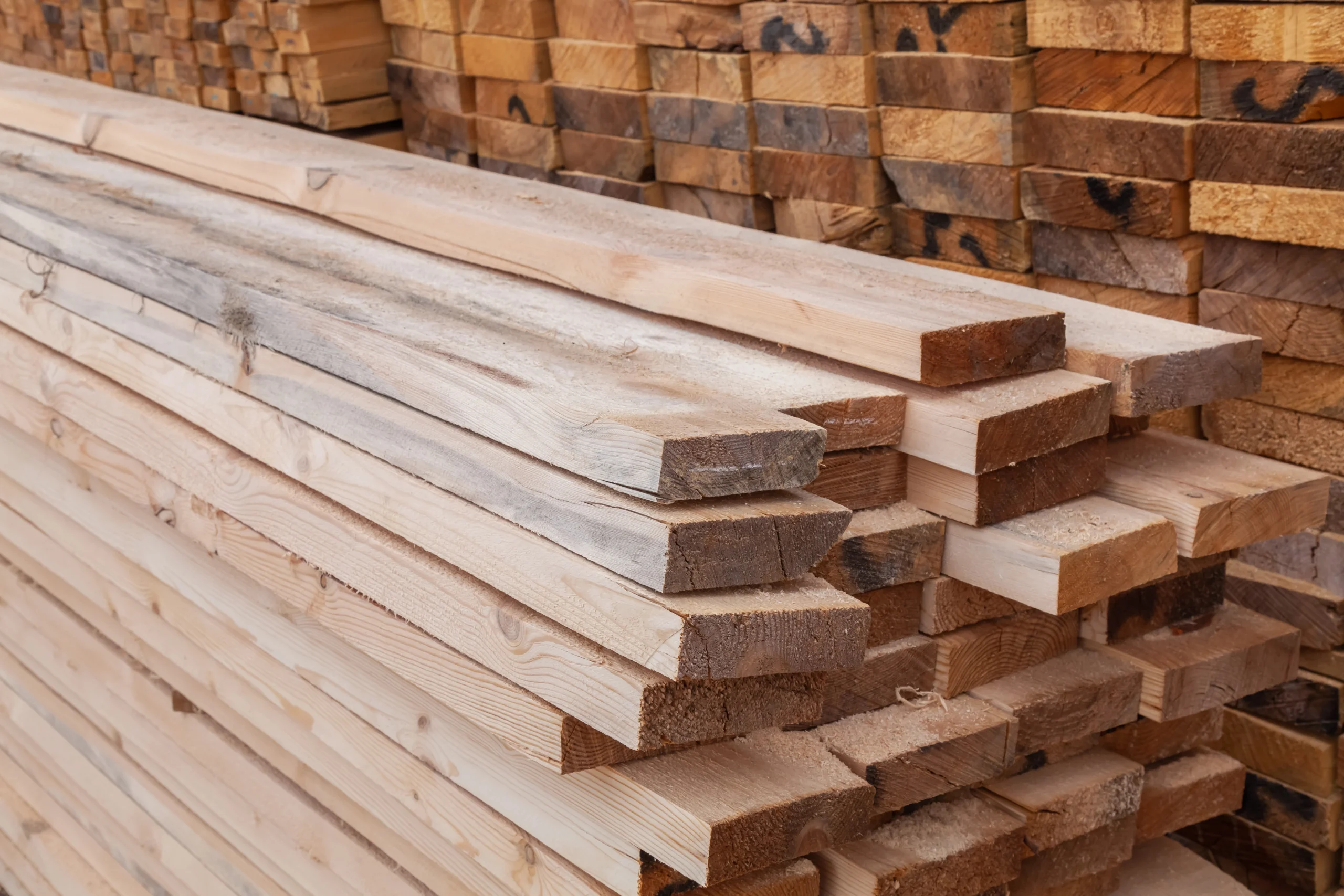
Color is an initial indicator of material quality. Healthy wood typically has an even color consistent with its species characteristics. Additionally, pay attention to the wood’s grain pattern. Straight, tight grains generally indicate a stronger and more stable wood structure. Conversely, grains that are too wavy or irregular can compromise the material’s strength.
2. Check the Wood’s Moisture Content
A factor that’s often overlooked is moisture content. Wood that is still too wet is prone to shrinkage after installation. Ideally, the moisture content of wood for construction and interior applications ranges from 12% to 20%, depending on its intended use. Professional suppliers typically use a moisture meter to ensure the moisture content remains stable.
Proper moisture content is one of the key determinants of quality because it directly affects the wood’s durability and dimensional stability.
3. Check for Cracks or Splits
Small cracks aren’t always dangerous, but cracks that extend deep into the wood can weaken the structure. Therefore, when selecting wood, inspect the entire surface and the ends of the pieces. Avoid wood that has:
- Long, deep cracks.
- Splits at the corners of the wood.
- Splits that run through the main grain.
4. Ensure the Wood Is Not Warped
High-quality wood has a straight and precise shape. To check this, place the wood on a flat surface or examine it along its length from end to end. If it appears warped, twisted, or wavy, you should consider other options. Warped wood can complicate the installation process and compromise the quality of the final result.
5. Check for Insect or Termite Holes
Small holes on the surface of the wood indicate an infestation by powderpost beetles or termites. The telltale signs are:
- Small holes resembling drill marks.
- Fine wood dust around the holes.
- The wood feels brittle when pressed.
Insect damage can reduce the quality of the wood even if the exterior still looks good.
6. Understand Wood Strength and Durability Classes
In the construction industry, wood is classified based on strength and durability classes.
- The strength class indicates the wood’s ability to withstand loads.
- The durability class indicates the wood’s resistance to weather, fungi, and insects.
For example, Bengkirai and Kamper wood are known for their strength and durability, making them suitable for various construction needs.
Understanding these classifications helps you choose wood that’s suitable for its intended use.
Tips for Buying Wood to Avoid Making the Wrong Choice
Before buying, follow these steps!
- Choose a supplier with a good reputation.
- Ask for information on the type of wood and its specifications.
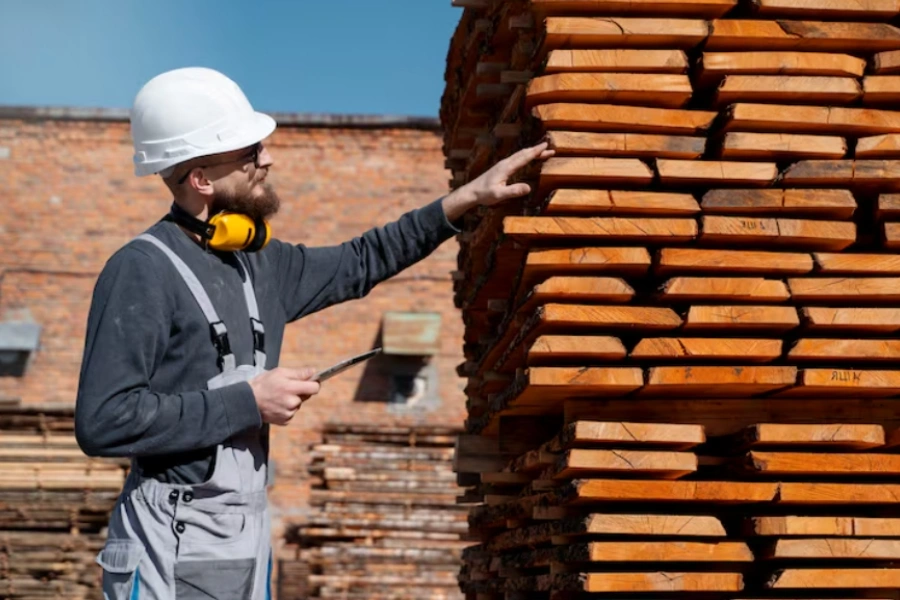
- Inspect the physical condition in person if possible.
- Match the type of wood to your project’s needs.
- Don’t be tempted by low prices.
Remember, a slightly higher price often corresponds to better wood quality and a longer service life.
So, assessing the quality of wood before purchasing isn’t just about choosing material that looks good—it’s also about ensuring its strength, durability, and lifespan meet your needs. From examining the grain, moisture content, and physical condition to understanding strength and durability grades, all of these factors can help you select material that’s truly suitable for your project.
Well, for truly premium-quality wood, you can find it at Hojaya! We offer over 50 types of solid wood, such as Bengkirai, Samarinda Camphor, Kalimantan Meranti, and Albasiah, as well as various types of plywood, fancy wood, and film-faced panels, all maintained to the highest quality standards for construction, workshop, and renovation projects.
Remember, before buying materials, always check their quality first to ensure your project turns out strong, neat, and durable in the long run. Come visit Hojaya!
FAQ
1. What are the main signs of good-quality wood?
The main signs are tight grain, stable moisture content, no cracks, no warping, and freedom from termite or insect infestation.
2. How can you determine the moisture content of wood?
The most accurate method is to use a moisture meter. Visually, however, wood that is too wet usually feels heavier and has an unstable color.
3. Is wood with many knots still good?
Not always. Too many knots can create weak points that reduce the structural strength of the wood.
4. Why does wood warp after installation?
This is usually because the moisture content was still high at the time of purchase, leading to shrinkage and warping as the wood dries.
5. What types of wood are suitable for building construction?
Some commonly used types are Bengkirai, Kamper, Meranti, and Kruing because they offer good strength and durability for construction needs.