


Blog
Why Does Cracked Wood? Here Are the Causes and How to Prevent It

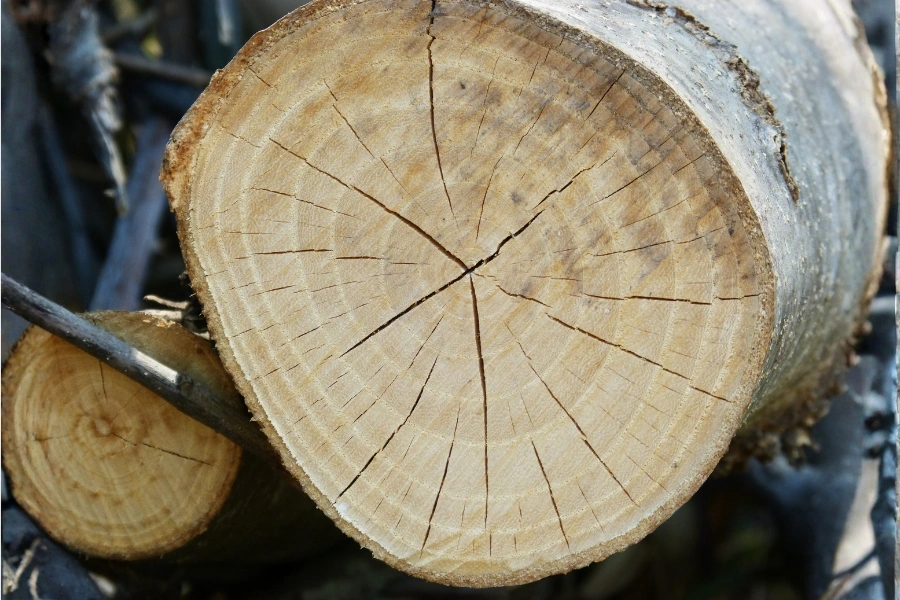
Wood is a natural material with unique characteristics. Although it’s known for being strong and durable, many people encounter problems with cracked wood in furniture, window frames, flooring, and even construction materials. These cracks are often seen as a sign of poor wood quality. However, that’s not always the case.
In many cases, cracks in wood result from natural processes influenced by moisture content, environmental conditions, and even how the material itself is processed. To understand the causes, let’s dive deeper into the topic!
Why Does Wood Crack?
Scientifically speaking, wood is a hygroscopic material. This means it can absorb and release moisture from its surroundings. When the moisture content within the wood fibers changes too rapidly, uneven shrinkage or expansion occurs.
It is this difference in pressure within the fibers that triggers the formation of cracks, ranging from hairline cracks to larger ones. Even with hardwoods, the risk of cracking remains if the drying process and usage are not handled properly.
Causes of Cracked Wood
In many cases, cracks in wood do not appear suddenly but develop over time. These cracks occur due to various factors, including the natural characteristics of the wood, environmental influences, and the processing methods used. Here’s an explanation!
1. Too Rapid Drying
This is the most common cause. When wood that still has a high moisture content is immediately sun-dried or dried under extreme conditions, the outer layers shrink faster than the inner layers. As a result, internal stress builds up, causing cracks on the surface and at the ends.
2. Extreme Weather Changes
Exposure to intense sunlight during the day, followed by cold temperatures or high humidity at night, causes the wood to repeatedly expand and contract. The more frequently these changes occur, the greater the risk of cracks forming.
3. Moisture Content Mismatched with the Environment
Wood used for interior applications should have a different moisture content than wood intended for outdoor use. If the moisture content isn’t adjusted to match the installation location, the wood will continue to adapt after installation. This adaptation process often leads to warping and cracking.
4. Installation Errors
Nails or screws installed too close to the edge of the wood create excessive pressure on the grain. When the wood shrinks, these areas become weak spots that are prone to breaking or cracking.
5. Natural Characteristics of Wood Types
Some types of wood are indeed prone to hairline cracks due to their dense grain structure. For example, hardwoods used for outdoor applications. Even materials like Bengkirai wood, known for its strength in exterior applications—can still develop fine cracks as a result of the natural shrinking process.
Read also: Causes of Rapid Wood Rot and How to Prevent It Early On
Can Wood with Cracks Still Be Used?
This question often arises when someone discovers cracks in wood. The answer depends on the severity of the cracks. If they are merely hairline cracks on the surface, they usually do not significantly affect the structural strength. However, if the cracks penetrate the core or run along the grain, the wood’s strength can be significantly reduced. Therefore, inspecting the condition of the cracks is crucial before using the wood for structural elements.
How to Prevent Cracks in Wood
Preventing wood from cracking is generally easier and more cost-effective than repairing it after damage has occurred. But how?
1. Choose Wood with a Stable Moisture Content
Make sure the material comes from a trusted supplier that implements proper selection and drying processes before the product is sold. The quality of the raw material greatly determines the wood’s long-term stability.
2. Store It in the Right Place
Avoid storing wood directly in sunlight or in areas that are too humid. Stable storage helps maintain a balanced moisture content within the wood fibers.
3. Use a Protective Finish
A layer of paint, coating, or wood sealer can slow down moisture exchange between the wood and the environment, thereby reducing the risk of cracking.
4. Pre-Drill Holes
Before driving in screws or nails, drill pilot holes first. This reduces pressure on the wood fibers and prevents splitting at the joints.
5. Choose Materials Based on Your Needs
For humid areas like kitchens or laundry rooms, moisture-resistant wood-based materials are a safer choice. One such option is HMR (High Moisture Resistant Board) for environments with high humidity levels.
6. Choose High-Quality Materials
In addition to installation techniques, material quality is a key factor in preventing wood from cracking. Materials that are carefully selected, have the appropriate moisture content, and come from a controlled production process will be more stable when used.
So, now you know that cracks in wood aren’t always caused by poor quality. Factors such as moisture content, weather, storage, and installation all play a major role. So, if you want materials that are more durable and cause fewer problems, be sure to choose the right products and apply proper storage and installation methods from the start.
For your needs in high-quality wood and plywood, Hojaya offers over 50 material options. From solid wood, plywood, fancy, polyfilm, film face products—all are available with consistently maintained quality standards. Our products have undergone a rigorous selection process, making them suitable for construction, interior design, furniture, and various other applications.
So, if you’re looking for strong, stable, and high-quality wood for your next project, don’t hesitate to contact us. Get the best wood recommendations and achieve results that are more durable and long-lasting!
FAQ
Can all types of wood crack?
Yes. Both hardwood and softwood are prone to cracking due to their natural tendency to absorb and release moisture.
Are hairline cracks in wood dangerous?
Not always. Hairline cracks generally only affect the appearance and do not directly reduce the structural strength of the wood.
How do you repair cracked wood?
Small cracks can be repaired using wood filler or epoxy. For large cracks, structural repairs or material replacement are usually necessary.
Is kiln-dried wood guaranteed not to crack?
No. Kiln-dried wood has a lower risk of cracking, but it can still crack if exposed to extreme changes in temperature and humidity.
When should cracked wood be replaced?
If the cracks are deep, long, or compromise the structural integrity, it’s best to replace the wood for safety and long-term durability.