



Blog
Tips for Buying Wood in Bulk to Avoid Losses

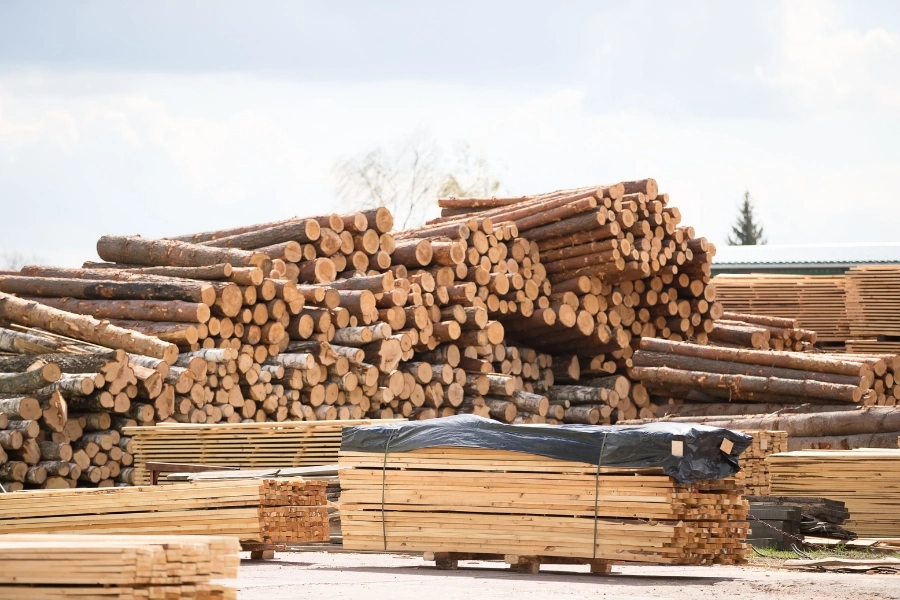
Buying wood in bulk is often the choice of contractors, furniture manufacturers, developers, and workshop owners. The reason is simple: to get more competitive prices and ensure stock is always available when needed. However, buying in large volumes also comes with its own risks. Choosing the wrong type of wood, being careless during inspection, or failing to account for project needs can result in significant losses.
So, to ensure your investment isn’t wasted, there are important factors to consider before making a purchase. What are they?
Tips for Buying Wood Materials in Bulk
Buying wood in bulk certainly offers advantages in terms of price and stock availability. However, without proper planning, large-scale purchases also carry the risk of waste and quality issues. For that reason, follow these tips!
1. Determine Your Needs Based on Function and Environment of Use
A common mistake is buying wood simply because the price is low. In reality, each type of wood has different characteristics. For example:
- Hardwoods like merbau or ulin are suitable for areas that require high durability.
- Pine wood is more commonly used for interior and decorative purposes.
- Plywood is a popular choice because it is stable, strong, and resistant to warping.
Before purchasing, make sure you have a detailed understanding of your project’s requirements, from the installation location and the load it will bear to environmental conditions such as humidity and weather exposure.
2. Calculate Requirements and Add a Buffer
Buying too little will delay the project. Conversely, buying too much also risks increasing storage costs and leaving materials unused.
A common practice in the construction industry is to add a buffer of about 5–10% of the total requirement to account for cutting errors, damage during installation, or design changes on-site.
With careful calculations, purchasing lumber will be more efficient and stay within budget.
3. Check the Lumber’s Moisture Content
Moisture content is often overlooked. Lumber that is still too wet is prone to shrinking, warping, or even cracking after installation.
Ideally, construction and interior lumber should have a moisture content adjusted to meet usage standards. Professional suppliers typically have proper drying processes in place, ensuring better product quality.
Therefore, don’t hesitate to ask for information about the lumber’s drying or storage process before making a large purchase.
4. Don’t Get Fixated on the Lowest Price
Low prices are certainly appealing, but they aren’t always the best deal. In many cases, a seemingly small price difference can actually lead to additional costs due to poor quality.
When comparing offers, consider aspects such as:
- Wood grade quality
- Dimensional accuracy
- Stock consistency
- Shipping costs
- Warranty or after-sales service
Purchasing wood materials from a trusted supplier often saves more money in the long run than choosing cheap products with inconsistent quality.
5. Check the Supplier’s Storage System
The quality of wood is determined not only during production but also during storage. Damp or open warehouses can cause quality degradation before the product reaches the buyer. A good supplier typically has a well-organized storage system, adequate air circulation, and protection from rain and direct sunlight. This is especially important if you’re purchasing large quantities of wood for long-term project needs.
6. Choose a Supplier with Consistent Inventory
Many projects experience delays because suppliers are unable to meet additional needs during the project. Therefore, ensure the supplier has sufficient inventory capacity and can provide products with the same specifications when needed again. This consistency is crucial for maintaining the quality of the project’s final outcome.
So, when purchasing large quantities of lumber, it’s not enough to focus solely on price. You also need to consider the type of wood, moisture content, storage conditions, the supplier’s reputation, and long-term stock availability. With careful planning, you can minimize the risk of losses, ensuring your project runs more efficiently and delivers results that meet your expectations.
To ensure your project’s material needs are well met, Hojaya is ready to provide high-quality lumber and consistent inventory. We offer a wide selection of solid wood, plywood, fancy wood, polyfilm, and film-faced products that you can use for construction, furniture, and interior design needs.
With such a diverse range of materials, you can more easily tailor them to your project’s specifications without worrying about quality or availability. So, go ahead and contact us to discuss your project needs!
FAQ
1. Is buying wood in large quantities always cheaper?
Generally, yes, because suppliers usually offer wholesale prices or volume discounts. However, be sure to factor in storage costs and the risk of unused material.
2. How can you tell if wood is of good quality?
Check the physical condition of the wood, its straightness, moisture content, and make sure there are no cracks or excessive defects.
3. Why is it important to pay attention to the wood’s moisture content?
Excessively high moisture content can cause the wood to shrink, warp, or crack after installation.
4. How much extra material should you set aside?
Typically, about 5–10% of the total project requirement to account for cutting errors and damage during installation.
5. What are the benefits of buying from a supplier with consistent inventory?
You can obtain products with the same specifications when you need additional materials, ensuring consistent project quality.