


Blog
Why Does Plywood Bubbling? Here Are the Causes and How to Prevent It

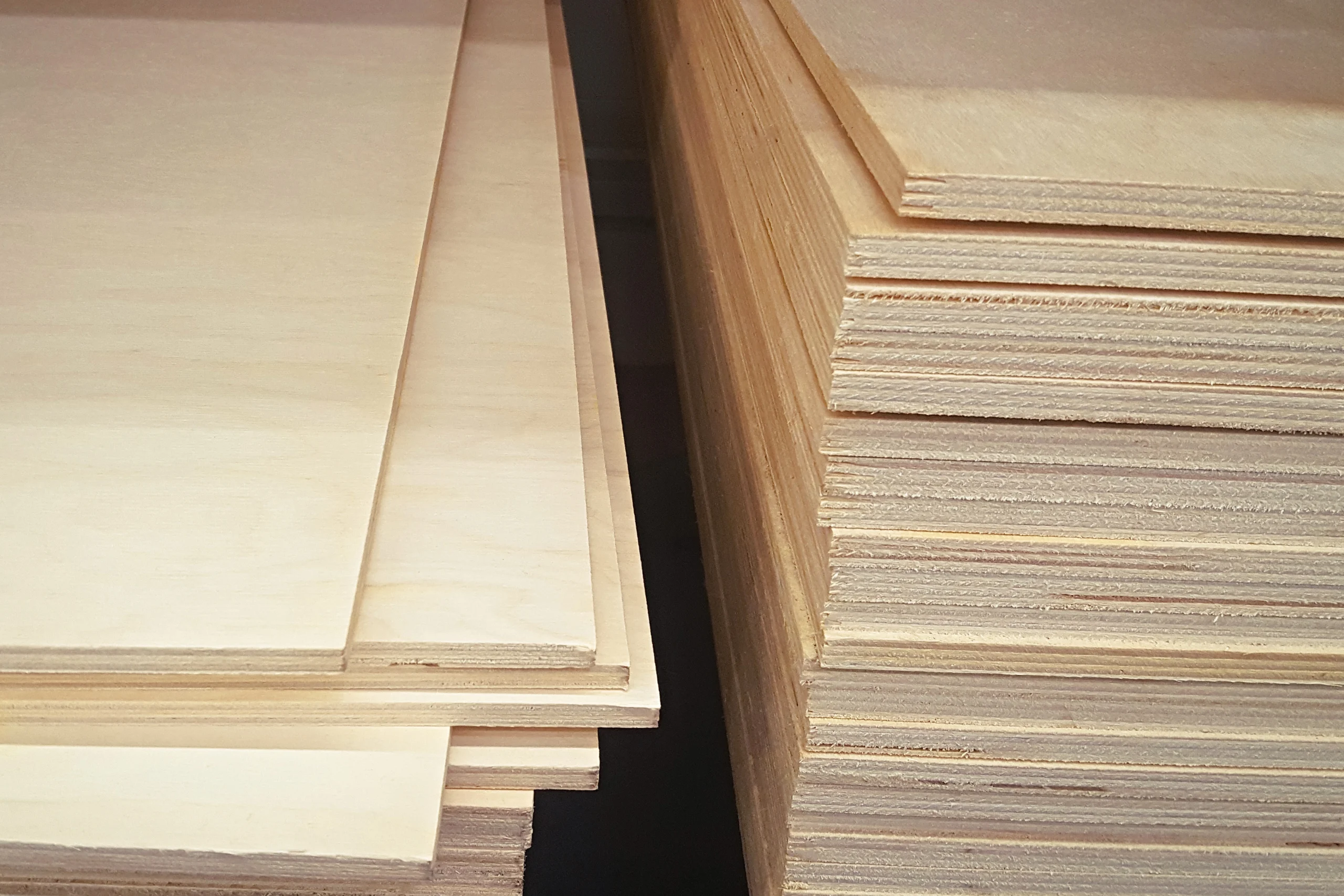
Plywood is known as a fairly strong, stable, and versatile material. It is widely used for furniture, cabinets, partitions, flooring, and construction projects. However, that doesn’t mean plywood is free from problems. One fairly common issue is that the surface of the plywood may bubble, warp, or have layers that suddenly start to peel off.
This issue does not necessarily mean that the material has poor quality. Several factors can trigger it, ranging from exposure to water and high humidity to adhesive quality, storage conditions, and installation techniques. So, let’s understand the causes to ensure that you not only fix the damage after it occurs but also prevent it from happening in the first place!
What Causes Plywood to Bubble?
Structurally, plywood consists of several veneer layers bonded together with alternating grain directions. This structure makes plywood more stable than solid wood, but the wood layers still have hygroscopic properties, meaning they can absorb and release moisture.
When water or water vapor enters the plywood layers, the wood fibers absorb the moisture and change in dimension. If the moisture spreads unevenly, internal stress can develop, causing the panel to warp, swell in certain areas, or cause the veneer layers to separate.
Here are some of the main causes!
1. Frequent Exposure to Water and Moisture
This is one of the most common causes. Plywood that repeatedly comes into contact with water from roof leaks, wall seepage, wet floors, or high-humidity environments faces a greater risk of changing shape.
The problem does not only come from visible water on the surface. Water vapor can also enter through the wood pores and unprotected edges. The longer the material remains in damp conditions, the more likely the wood fibers are to swell and cause deformation.
2. Poorly Sealed Edges
Plywood edges also require special attention. After cutting plywood, the exposed fibers make it easier for water to enter. Therefore, when installing plywood in areas prone to moisture, protect all sides, especially the edges and cut sections. Edge sealing can help reduce water penetration into the plywood structure.
3. Choosing the Wrong Type of Plywood
Not all types of plywood offer the same level of moisture resistance. Interior plywood has different characteristics from exterior plywood or marine plywood.
Plywood with more water-resistant adhesive works better in humid environments. However, this does not mean you can leave it submerged or continuously exposed to water without protection. Even marine plywood still requires proper design and finishing when you use it in consistently wet conditions.
Read also: Types of Plywood and Their Functions for Home Interiors
4. Improper Storage
Plywood can develop problems even before you use it. Placing sheets directly on a damp floor, leaving them exposed to rain, or storing them in an area with poor air circulation can increase the material’s moisture content.
Ideally, store plywood in a dry place, protect it from rain, and keep it off the floor. If the material gets wet, separate it from the other sheets and dry it immediately in an area with good air circulation.
5. Installation That Fails to Account for Material Movement
Plywood can still undergo slight dimensional changes as its moisture content changes. If you install the panels too tightly without allowing for tolerances or an expansion gap, these dimensional changes can create pressure at the joints.
As a result, the panel surface may bulge, warp, or appear uneven. So, in addition to choosing the right material, proper installation details also play an important role in maintaining plywood stability over the long term.
Can You Still Use Bubbling Plywood?
The answer depends on the extent of the damage. If the plywood only shows slight deformation and you can dry it without signs of delamination, decay, or reduced strength, you may still use the material for certain applications.
However, if the veneer layers have separated, the surface feels soft, cavities have formed, or the panel has undergone permanent deformation, avoid using it for applications that require structural strength. Severe water damage can compromise the panel’s integrity.
How to Prevent Plywood from Bubbling
You can start preventing plywood from bubbling when you select the material. First, choose a plywood type that matches its intended location and purpose. Do not use interior plywood in areas that remain constantly humid just because it offers a more economical option.
Second, store the material in a dry place with good air circulation. Third, protect the edges and surface of the plywood with a suitable finish, especially when you plan to use it in areas that may come into contact with water.
Finally, pay attention to the installation process. Make sure no leaks occur around the panels, allow sufficient space at the joints, and avoid clamping the plywood too tightly against the structure. These steps can help reduce the risk of plywood bubbling or warping.
In short, bubbling plywood is not simply a matter of poor material quality. Exposure to water, humidity, storage conditions, adhesive type, plywood specifications, and installation methods can all affect its condition. So, before buying, make sure the material you choose matches the conditions of use to avoid unnecessary repair costs later.
The good news is that Hojaya provides plywood for furniture, construction, and interior applications with a variety of specifications. The available options include Albasiah Palem, MC Uty, BBCC Export, OVL, Marine, blockboard, HMR, and other options.
You can choose the right option based on your project needs, including the required thickness and resistance to environmental conditions. We also provide plywood in thicknesses from 3–18 mm, along with marine grade options for applications that require better moisture resistance.
Let’s check out our plywood selection and choose the material that matches your application. Don’t just look for the cheapest option. Choose the right specifications to make your project more durable, neat, and less prone to damage!
FAQ
- Why does plywood bubble?
Plywood can bubble when it absorbs water or moisture, causing the wood fibers to change dimension. Other factors include adhesive quality, poorly sealed edges, improper storage, and incorrect installation. - Is plywood water-resistant?
Not all plywood offers the same level of water resistance. Interior plywood has different resistance than exterior or marine plywood. Even more water-resistant plywood still needs proper protection when you use it in consistently wet conditions. - How should you store plywood to prevent damage?
Store plywood in a dry place, protect it from rain, keep it off the floor, and ensure good air circulation. - Can you repair plywood that has already bubbled?
If the damage is minor, you can dry the plywood and evaluate its condition afterward. However, if delamination occurs, the layers separate, the material becomes soft, or the panel undergoes permanent deformation, you should replace it. - What type of plywood works well in humid areas?
Choose plywood with specifications suitable for humid environments, such as exterior or marine grade plywood for certain applications. However, proper sealing, finishing, and installation remain essential to maximize the material’s protection.