

Blog
Does Plywood Crack After Being Cut? Here Are the Causes and Solutions

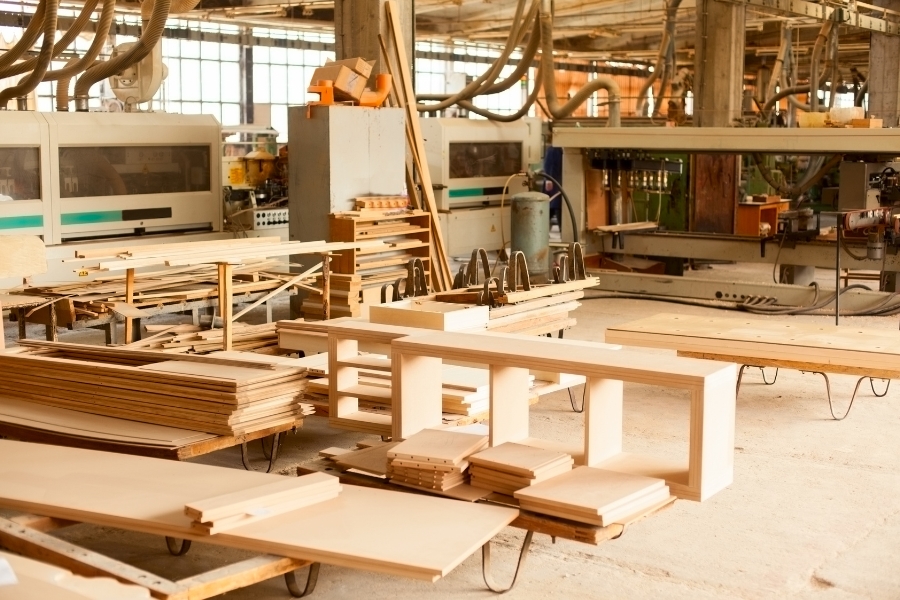
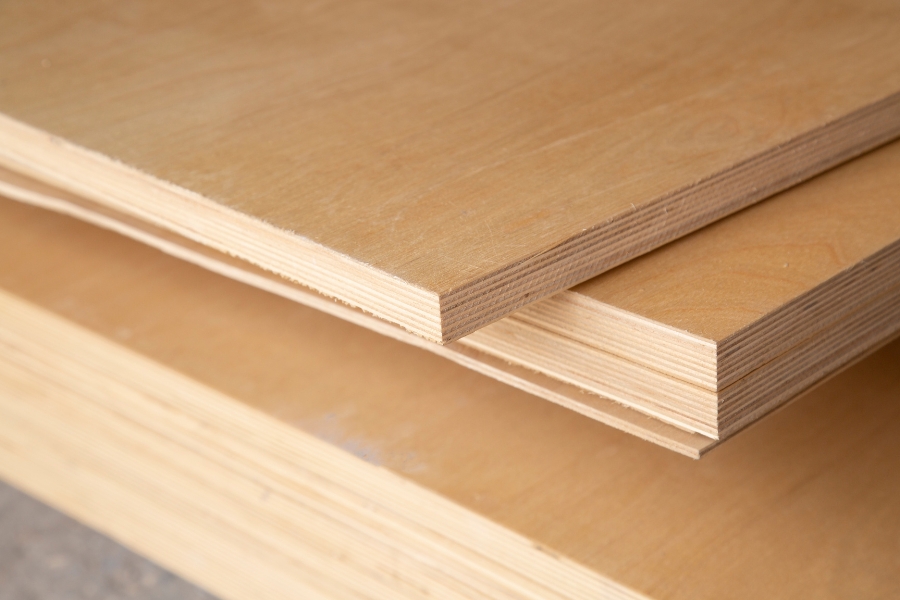
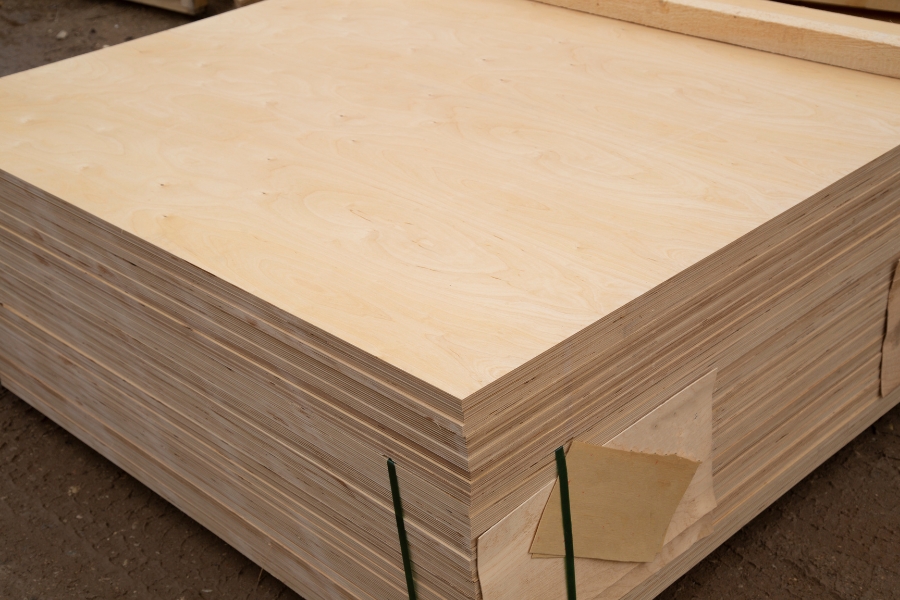
Plywood is one of the most commonly used engineered wood materials in construction projects, furniture, and home interiors. This material consists of several layers of wood veneer glued together with the grain running crosswise, giving it good strength and stability. However, in practice, many people encounter the problem of plywood cracking after being cut or split. Theoretically, plywood is known to be easy to cut and work with.
Well, if you’ve ever experienced this, there are actually several technical factors behind it. These range from material quality, cutting techniques, to the condition of the tools used. Let’s dive deeper so you can avoid the problem of plywood cracking during your projects.
Causes of Plywood Cracking After Being Split
Before looking for solutions, you need to first understand what factors can cause plywood to crack during the cutting process. That way, you can avoid making the same mistakes when working with plywood on your next project.
1. Poor Plywood Quality
Not all plywood is of the same quality. Low-quality plywood typically has thin veneer layers and weaker adhesives. When cut or split, the pressure from the cutting tool can cause the veneer layers to separate, leading to cracks along the edges or surface. Additionally, certain types of plywood, such as melamine, are more prone to breaking during the cutting process if the technique is improper.
2. Unstable Wood Moisture Content
Changes in moisture content are a factor often overlooked. When wood loses moisture or experiences temperature changes, the material can shrink or expand. This process can create stress on the wood fibers and eventually cause cracks on the plywood surface. If the plywood is too dry or too damp before cutting, the risk of cracking increases.
3. Dull Saw Blades
One of the most common technical causes is the use of dull cutting tools. Dull saw blades will:
- Pull on the wood fibers
- Produce rough cuts
- Apply excessive pressure to the veneer layers
As a result, the cut is uneven, and small cracks appear along the cut line.
4. Improper Cutting Technique
Technique also greatly determines the final result. If cutting is done too quickly or without a clear guide line, the wood fibers in the plywood can lift and break. Typically, professional carpenters use tools such as a T-square, cutting table, and circular saw to ensure the cut remains straight and neat. Without these techniques, the risk of plywood cracking is higher.
Does Plywood Easily Crack When Cut?
The answer is, not always. Plywood is actually designed to be more stable than solid wood because its layers of fibers are arranged crosswise. However, cracks can occur if:
- the plywood is of low quality
- the cutting tools are dull
- the cutting technique is incorrect
- the wood’s moisture content is unstable
So, cracks aren’t always due to poor material quality, but often result from the work process.
Read also: Effective Ways to Prevent and Clean Mold on Plywood Surfaces
Solutions to Prevent Plywood from Splitting When Cut
To ensure cleaner cuts and avoid damaging the material’s structure, there are several key points to consider when cutting plywood. Here are solutions to minimize the risk of plywood splitting during cutting!
- Use a Wood-Specific Saw Blade
Saw blades with many teeth typically produce smoother cuts.
- Mark the Cutting Line First
Use a pencil and a right-angle ruler to ensure the cutting direction is clear and precise.
- Cut Gradually
Avoid applying heavy pressure all at once. A gradual cutting technique reduces stress on the veneer.
- Use a Support Board
Placing a support board under the plywood can help keep the wood fibers stable while cutting.
- Choose High-Quality Plywood
This is the most important factor. High-quality plywood has strong adhesive and more stable veneer layers, making it less prone to cracking.
Cracks in plywood after cutting are quite common, especially if the material used is of poor quality or the cutting technique is incorrect. Factors ranging from the wood’s moisture content, dull cutting tools, to imprecise cutting methods can all cause cracks in the plywood.
Therefore, to ensure your furniture or construction projects are more durable and the cuts are neat, make sure to use high-quality plywood and employ the correct cutting techniques.
Well, you can find it at Hojaya! We offer a wide range of products, from solid wood and plywood to other high-quality wood-based materials suitable for construction, interior design, and furniture making. With high-quality materials, the risk of cracking during the manufacturing process can certainly be minimized.
In short, choosing the right plywood isn’t just about price, it’s also about quality and long-term durability! Come visit Hojaya now!