


Building material prices often fluctuate, and plywood is one of the most dynamic items on the market. For those of you planning a construction project or interior design needs, understanding plywood price movements isn’t just about finding the cheapest option, but also about knowing what actually influences its value.
Interestingly, price differences for this plywood material in the market can be quite significant even though they look similar. So, what actually causes these price variations? Let’s explore the key factors below so you don’t make the wrong choice!
Factors Affecting Plywood Prices
Plywood prices in the market aren’t determined by a single factor. Various aspects interact with one another, ranging from raw materials to market conditions. Here are the factors!
1. Availability of Wood Raw Materials
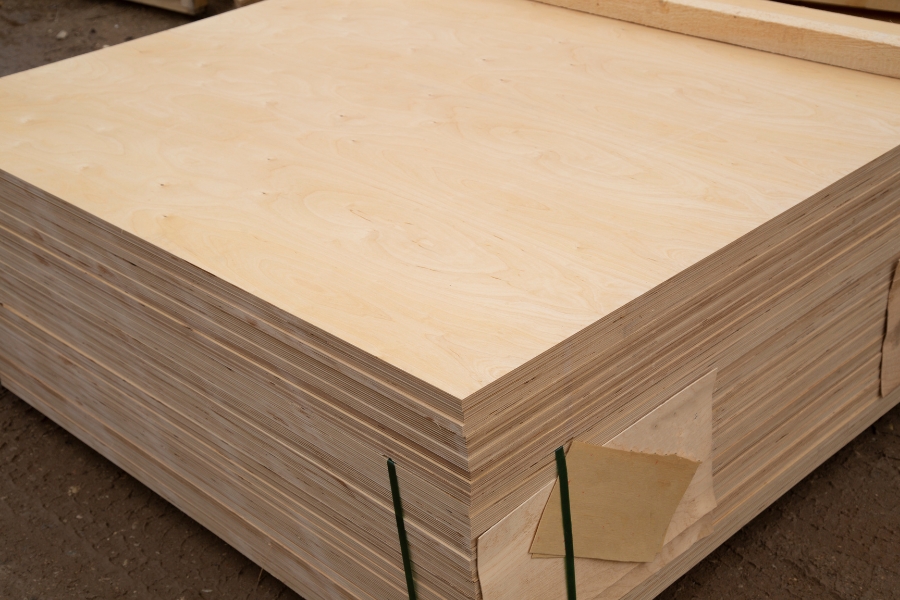
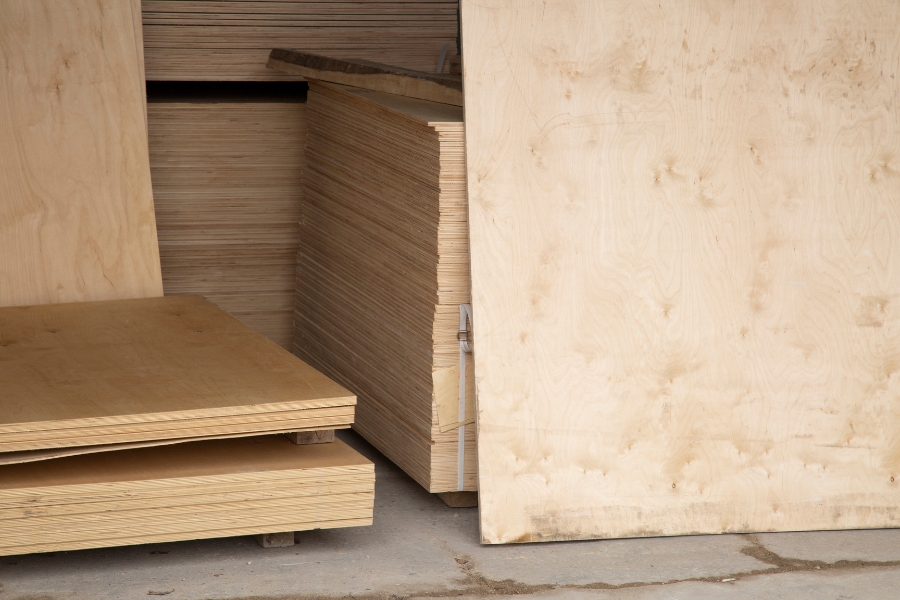
The primary factor most influencing plywood prices is the availability of raw materials. Plywood is made from layers of wood veneer bonded together, so the supply of wood is the key determinant. When wood supply decreases—for example, due to extreme weather, logging restrictions, or environmental issues—prices tend to rise. Conversely, if supplies are abundant, prices can remain more stable.
Additionally, the demand for certified wood is rising, which puts further pressure on supply and affects global plywood market prices.
2. Plywood Quality and Grades
Not all plywood is of the same quality. Differences in grade significantly impact market prices. Why? Because:
- Grade A: smooth surface, minimal defects (high price)
- Grade B: some defects, still suitable for finishing
- Grade C: many defects, typically for structural applications
The higher the quality, the higher the price. This is because the material selection and finishing processes are more stringent.
3. Thickness and Dimensions
Technical factors such as thickness and dimensions also significantly determine the price. Plywood with larger dimensions or greater thickness requires more raw materials and a more complex production process. Generally, the thicker and larger the sheet, the higher the price per sheet.
4. Production Costs and Technology
The plywood production process involves technologies such as pressing, drying, and the use of special resins. Costs for energy, adhesives, and production technology also influence the price. The plywood industry itself continues to evolve through technological adaptations to improve quality and efficiency, which ultimately affect market prices.
5. Distribution and Logistics Costs
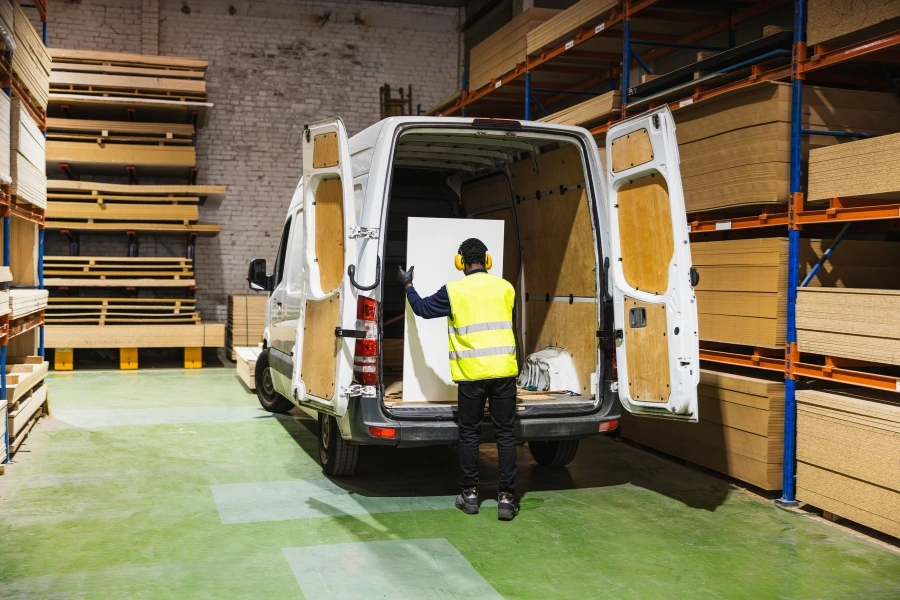
Location also plays a significant role. Plywood prices in areas near raw material sources are typically lower than in distant regions. Transportation, distribution, and supply chain costs can add to the final product price. Therefore, it’s understandable that prices in major cities or certain regions are higher.
Read also: How to Choose a Premium-Quality Plywood Distributor at Affordable Prices
6. Market Demand and Economic Conditions
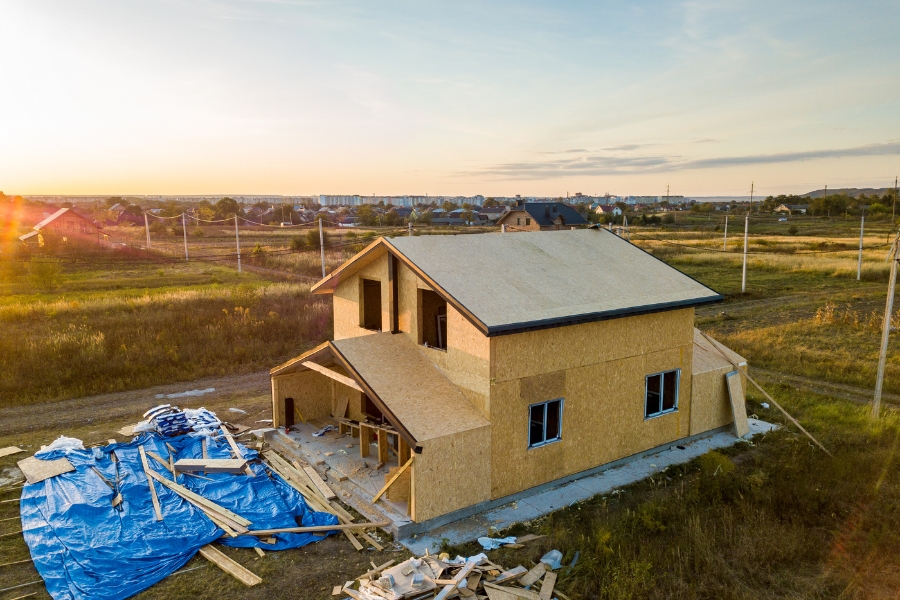
Demand from the construction, furniture, and export sectors significantly influences plywood prices. As construction activity increases, demand rises, and prices are driven up accordingly. Indonesia itself is one of the world’s major plywood exporters, so global market conditions also affect domestic prices.
Is Plywood More Expensive Than Other Materials?
The answer is relative, depending on the type of material being compared and the intended use. Generally, plywood is more affordable than solid wood because its production process uses veneer layers rather than solid wood. However, in terms of strength and durability, plywood remains superior, making it often considered a better long-term investment.
On the other hand, when compared to engineered materials like particle board or MDF, plywood typically has a slightly higher price. This is because its structure is stronger, moisture-resistant (especially certain types), and less prone to warping. So, while it may cost more, its quality and durability often justify the investment.
So, the market price of plywood is actually influenced by many factors, ranging from raw materials, quality, size, to global market conditions. The bottom line is, if you want to get the best price, don’t just focus on low prices, but also consider quality and project requirements.
Well, for high-quality plywood with guaranteed standards and, of course, at competitive prices, you can trust Hojaya! As a wood distributor, we provide a variety of processed wood materials, such as plywood for construction and interior design, with proven quality. So, you not only get competitive prices but also durable products that meet your project’s needs.
Well, for high-quality plywood with guaranteed standards and, of course, at competitive prices, you can count on Hojaya! As a wood distributor, we provide a wide range of engineered wood materials, such as plywood for construction and interior design, all of which have been rigorously tested for quality. So, you not only get competitive prices but also durable products that meet your project’s needs.
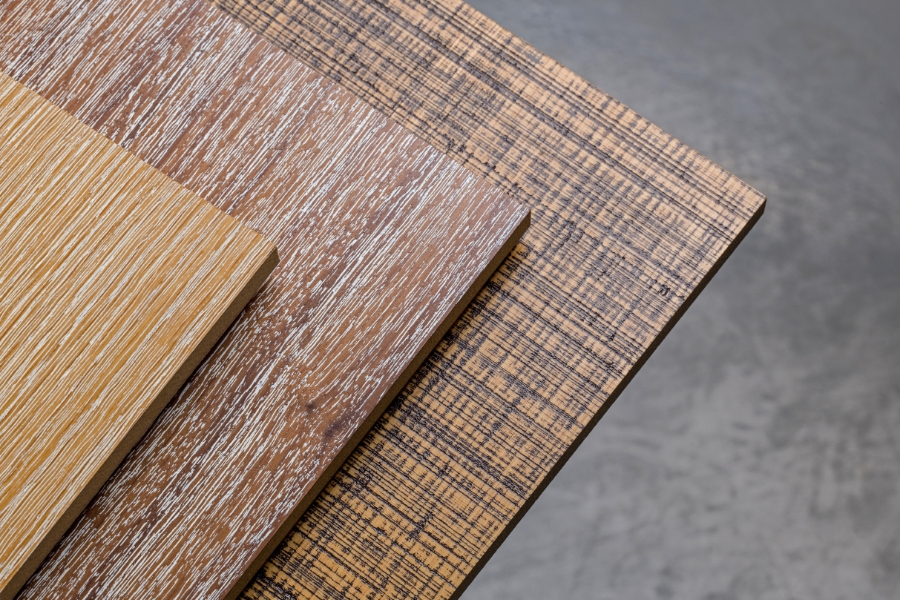
Beyond that, we also offer other products, such as decorative plywood and film-faced plywood, which can be customized to meet your design and functional requirements. Backed by professional service and a comprehensive product selection, Hojaya is ready to help your project run more efficiently and effectively. So, you won’t have to worry about finding high-quality wood materials anymore, right?