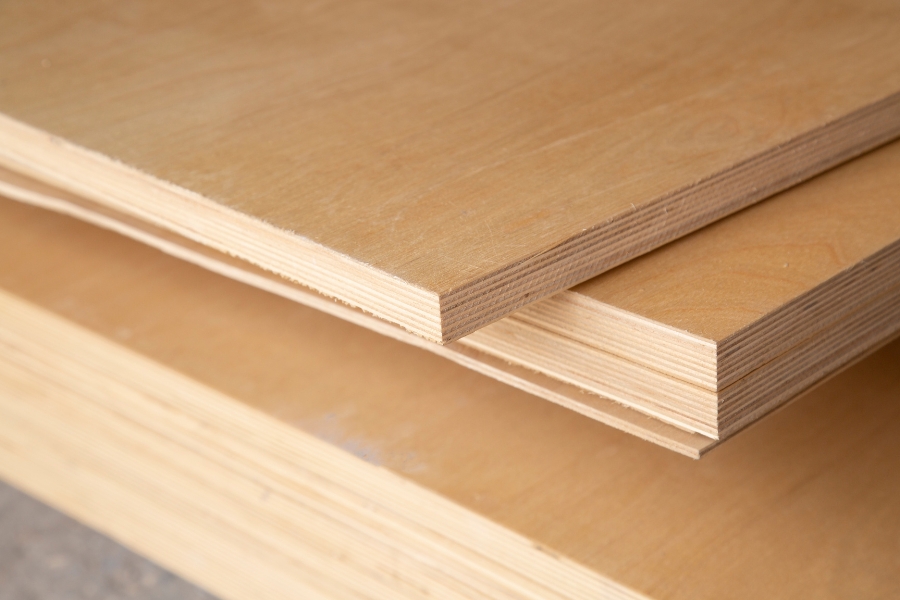



Plywood is indeed a reliable material for various interior and furniture needs. However, behind its practicality, there is one problem that often causes headaches, namely mold that appears on its surface. Humid room conditions, poor air circulation, and improper maintenance can be the main triggers for plywood mold. If left unchecked, mold not only damages the appearance but can also reduce the strength of the plywood itself.
So, let’s find effective ways to prevent and clean mold on plywood surfaces to keep them durable, clean, and ready for long-term use!
Why Does Mold Grow on Plywood?
Mold thrives in damp places with poor air circulation and organic nutrients. All of these conditions can occur on plywood surfaces. High humidity causes mold spores to grow faster. This condition is common in semi-damp rooms such as kitchens, bathrooms, or poorly ventilated storage areas.
How to Prevent Mold Growth
Before mold appears and spreads further, preventive measures should not be overlooked. Here are effective ways to prevent mold growth.
1. Control Humidity and Ventilation
To prevent plywood mold, ensure the room has good air circulation. Open windows or use fans regularly. You can also use a dehumidifier in damp areas to maintain optimal humidity levels.
2. Avoid Direct Contact with Water
Plywood is very vulnerable when exposed to water. Make sure surfaces that are prone to splashing or flooding do not come into direct contact with plywood. Use a protective coating or sealant to prevent moisture from being easily absorbed.
3. Use Sealant or Wood Protection
Coating the plywood surface with sealant, anti-fungal paint, or high-quality wood coating can help prevent moisture from entering and fungal spores from sticking. Protective products like these can be an effective long-term preventive measure.
How to Clean Mold Properly
If mold has already appeared, how do you clean it without damaging the plywood surface? Follow these steps!
1. Use Natural Solutions
White vinegar or a mixture of borax and water are effective at cleaning mold without harsh chemicals. Spray the solution, let it sit for 15–30 minutes, then scrub with a soft brush.
2. Hydrogen Peroxide
3% hydrogen peroxide is effective at killing mold spores. Spray it on the infected area, let it work, then wipe clean. Be sure to test a small area out of sight to make sure the surface color doesn’t change.
3. Checking & Drying
After cleaning, dry the plywood completely. Any remaining moisture will only cause the mold to return. You can use a fan or direct sunlight if possible.
Additional Tips to Prevent Mold from Returning
- Check the plywood surface every few weeks. Early detection prevents further growth.
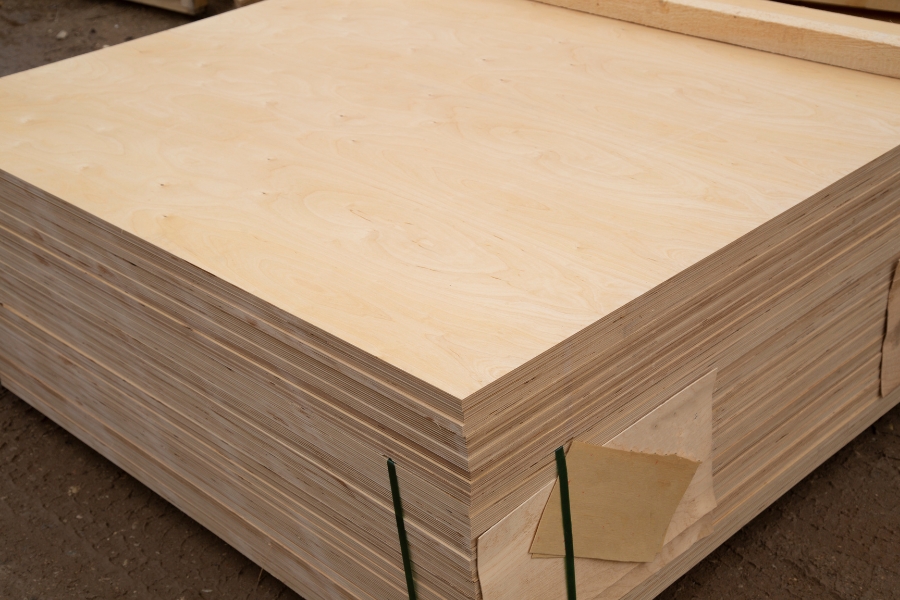
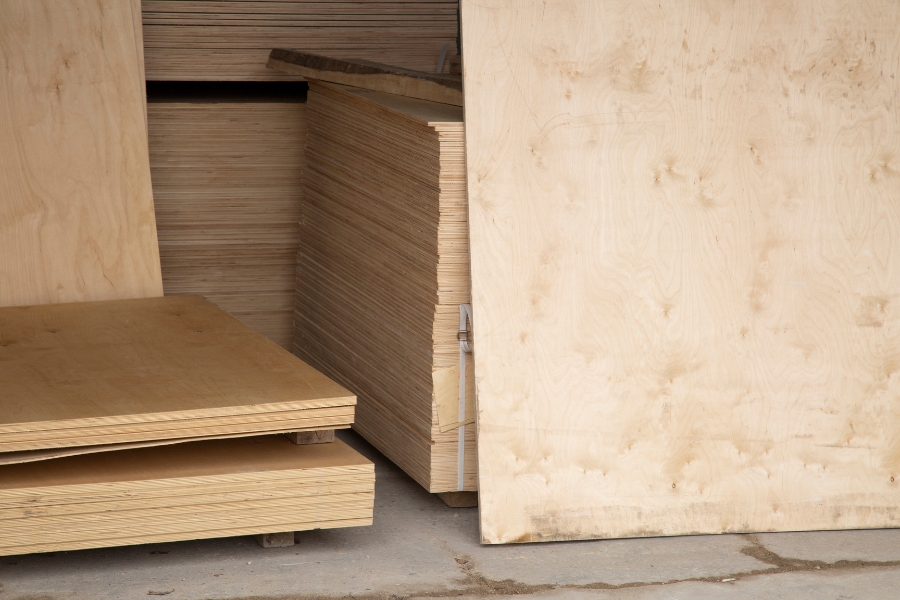
- When not installed, plywood should be stored in a dry place and away from piles that trap moisture.
- If mold frequently appears in certain areas, fix the source of moisture, such as leaks or poor ventilation.
Read also: Beware of Wood Termites! Here’s How to Effectively Prevent and Deal with Them
Now you know that preventing and cleaning plywood mold isn’t just about scrubbing, but involves steps ranging from prevention to routine maintenance. The key is to maintain humidity levels and use high-quality protective materials to make plywood more durable and resistant to mold.
However, don’t forget to use high-quality plywood that is more resistant to project challenges such as humidity and temperature changes. To get it, you can check out the premium product options from Hojaya! We are a trusted distributor of wood and plywood, providing materials for construction and interior needs. Our products have undergone testing to ensure quality and offer specifications that can be customized to project requirements.
So, give it a try and may the plywood in your project stay clean, strong, and mold-free!