



Wood has always been a favorite in the world of construction and furniture. From elegant dining tables to building frames, this material has a natural appeal that is difficult to replace. However, behind its beauty, wood also has challenges, namely termites and fungi. If left unchecked, these two things can cause wood to rot quickly, become porous, and even become unusable.
To ensure wood remains durable and attractive in the long term, it is necessary to preserve it using the right techniques. This process not only protects wood from pests and moisture but also maintains its strength and aesthetic value. Let’s explore various preservation techniques that can make wood durable and problem-free!
Wood Preservation Techniques
Before using wood for various purposes, it is very important to know how to protect it from termites and fungi. Here are some wood preservation techniques that you can apply!
1. Wood Drying (Kiln Drying)
The first step in the preservation process is drying. Wet wood is more susceptible to mold and termites because of its high moisture content. The kiln drying process is carried out using a special oven to reduce the moisture content to below 15%. As a result, the wood becomes more stable and less prone to deformation.
2. Chemical Soaking
This method is commonly used in the furniture and construction industries. The wood is soaked in a special solution such as borax, borate, or copper-based preservatives. The goal is to penetrate the pores of the wood so that the preservative can protect the inside from insect and mold attacks. This preservation technique is very effective for wood materials that will be used outdoors.
3. Vacuum and Pressure Techniques
If you want maximum results, the vacuum-pressure method is the best choice. The wood is placed in a tank, then the air in the wood pores is sucked out before the preservative solution is injected at high pressure. As a result, the preservative penetrates deeper and provides much longer protection. This technique is usually used for building wood and outdoor decking.
4. Surface Coating
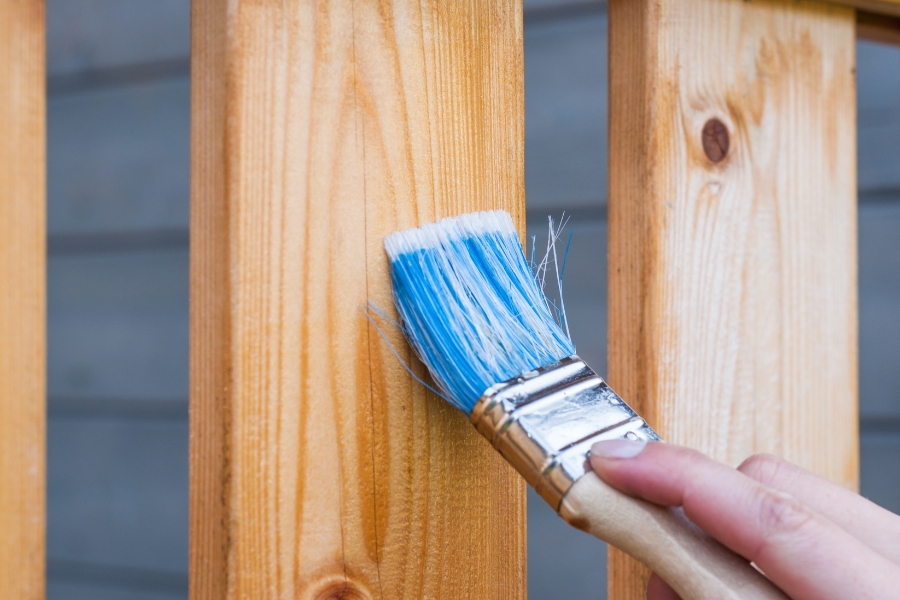
In addition to internal protection, the exterior of the wood also needs to be protected. Use wood paint, varnish, or oil-based finishing coatings that can prevent water and mold from sticking. In addition to adding aesthetics, these coatings also serve as additional protection from UV rays and moisture.
5. Proper Wood Storage
After the wood preservation process, storage methods also have a significant impact. Store wood in a dry place with good air circulation, and avoid direct contact with damp soil or walls to maintain optimal preservation results.
So, those are the various wood preservation techniques you can apply to keep your wood durable, termite-free, and mold-resistant. In essence, maintaining wood properly is not just a matter of additional care, but an important investment to ensure its quality and appearance remain optimal in the long term.
For those of you looking for high-quality wood, plywood, or complementary materials for furniture and interior projects, check out Hojaya’s products. As a trusted wood distributor, we offer a wide selection of premium wood and plywood that has undergone high-quality processing, is strong, durable, and ready to use.
Curious about our products? Visit Hojaya and find the best wood to bring your projects to life!