


You can’t just pick any plywood at random. At first glance, they may all look the same, but in reality, every sheet of plywood has different quality depending on the materials, the number of layers, and the production process. This is important because the quality of the plywood will greatly affect the strength, durability, and final result of the furniture or construction project you’re working on.
If you aren’t careful, you might end up with material that warps quickly, cracks easily, or even has rot inside. So, to avoid making the wrong choice and ensure you get the best material for your needs, let’s learn how to visually inspect this material quality before purchasing it!
How to Visually Check Plywood Quality?
You should know that just by looking at the exterior, there are many signs that can help you assess whether the plywood is of good quality or not. Here are the key points to identify this visually.
1. Examine the Plywood Layer Structure
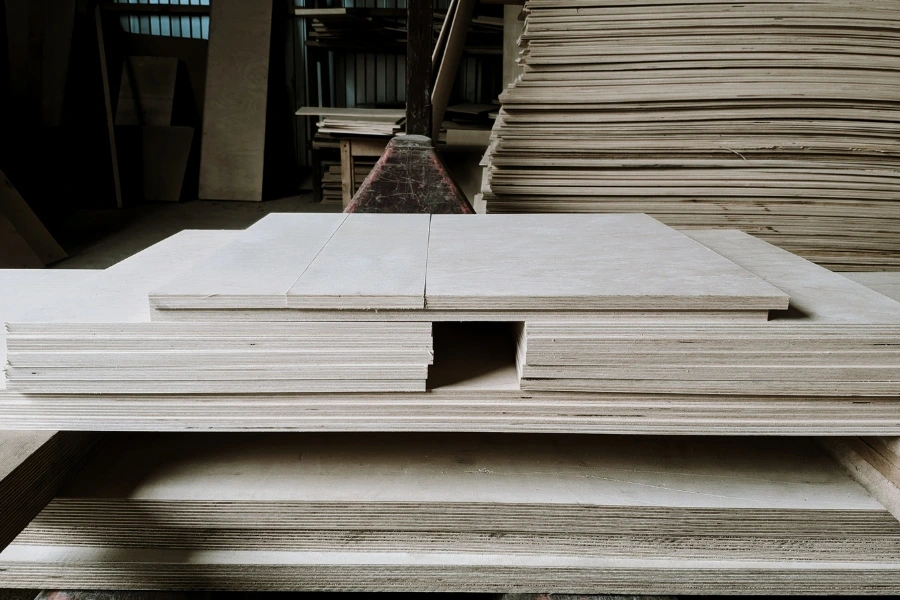
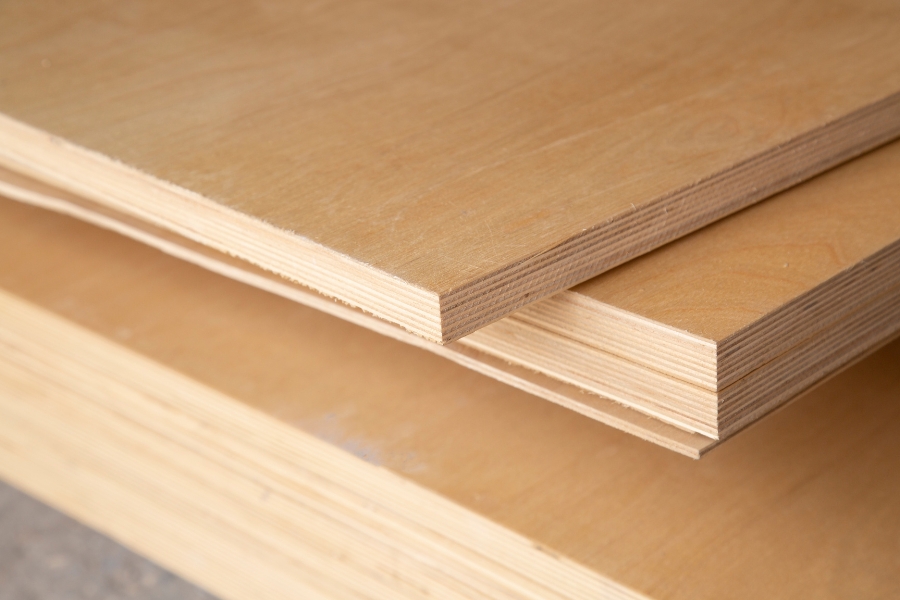
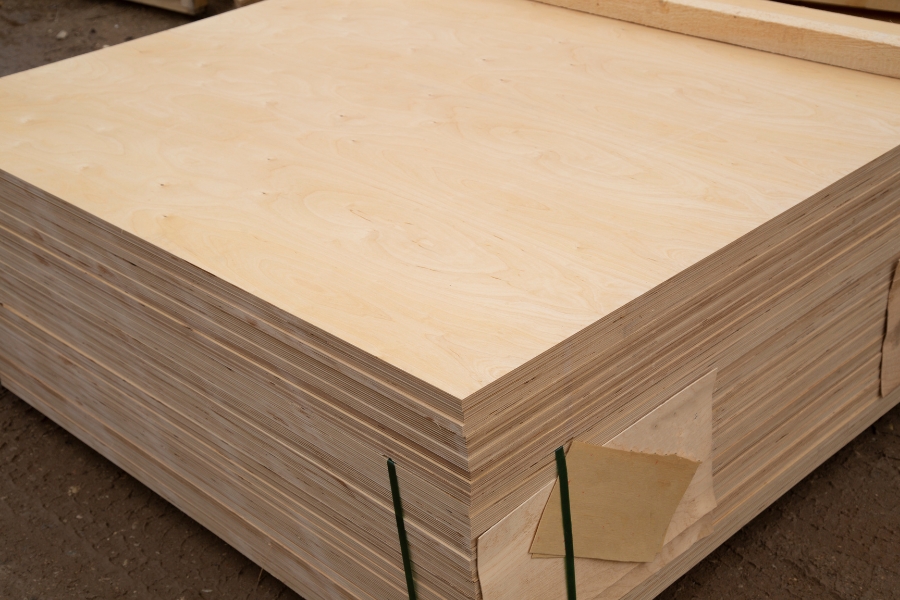
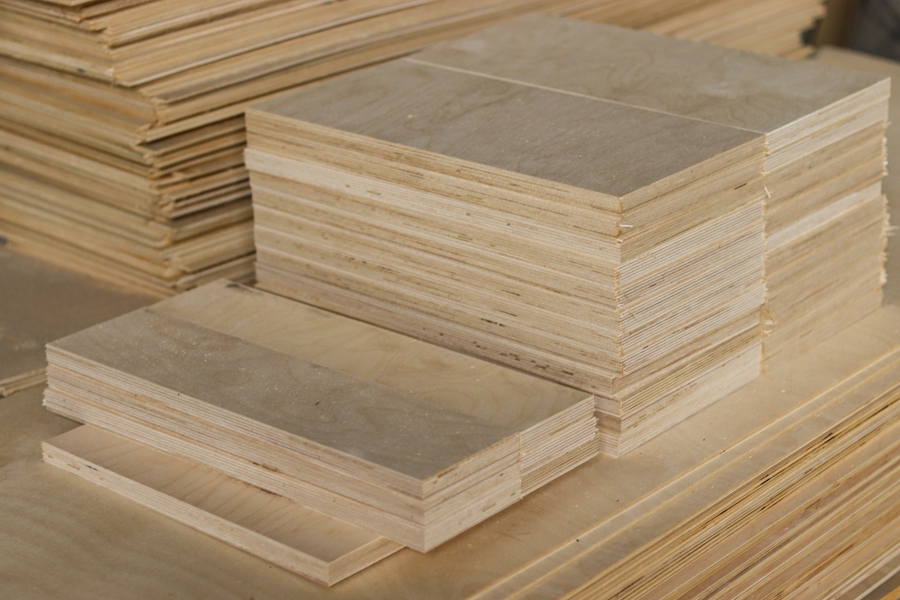
The first thing you must look at is the side of the plywood. Here, you can immediately assess its quality. Essentially, plywood is made from several layers of wood veneer arranged cross-grain to make it stronger and more stable.
Characteristics of high-quality plywood layers:
- The layers look neat and consistent
- There are no large gaps or voids
- There are a sufficient number of layers (indicating better strength)
The neater and denser the layers, the higher the quality of the plywood.
2. Inspect the Surface (Face Veneer)
The surface is the most visible part, but it’s also often the primary indicator.
What are the characteristics of a good plywood surface?
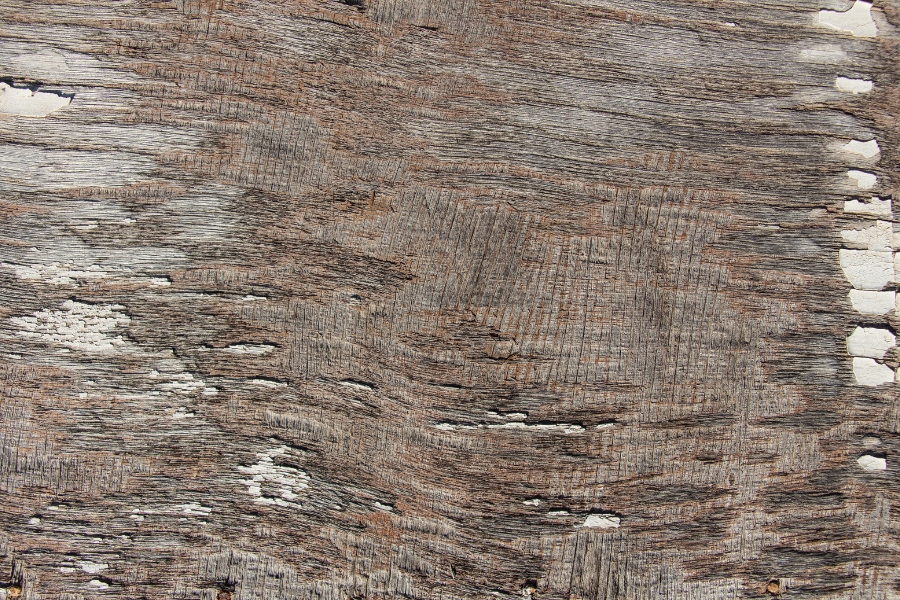
- Smooth and even (not wavy)
- Minimal defects such as holes, cracks, or patches
- The wood grain looks natural and not artificial
An uneven surface usually indicates a subpar production process, which can affect the overall quality of the plywood.
3. Check Thickness and Density
Don’t just look at the size label! You also need to ensure the thickness is consistent.
Plywood with high density is typically:
- Heavier (indicating density)
- Less prone to warping
- Stronger when nailed or screwed
If the plywood feels too light for its size, the quality may be subpar.
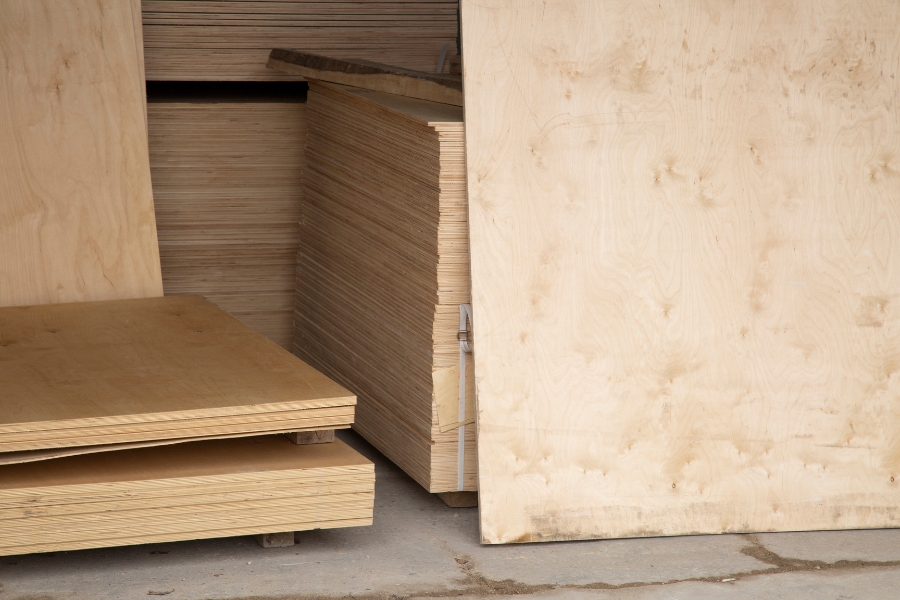
4. Inspect the Edges and Corners
The edges often reveal the true quality of the plywood material.
Here’s what you should check:
- No excessive splinters
- No cracks at the corners
- No visible voids inside
If the edges are already damaged, the interior is likely not solid either.
5. Check for Bubbles or Delamination
Delamination is a condition where the layers of plywood begin to separate. Visually, this can be identified by:
- A bulging surface
- Layers appearing separated
- Areas that feel hollow
These are signs of low-quality plywood, and you should avoid it.
How Can You Tell if Plywood Is Good Quality?
There are actually several common characteristics you can immediately look for to quickly assess whether the plywood is of good quality or not. What are they?
- A smooth, defect-free surface
- Tight inner layers with no voids
- No warping or bending
- Consistent thickness
- No signs of damage such as cracks or bubbles
In short, the quality of plywood can be immediately assessed through visual inspection and a few simple physical checks.
So, choosing plywood does require careful attention, but that doesn’t mean it’s difficult. By understanding how to perform visual checks—such as examining the surface, layers, and density—you can more easily find the best-quality plywood to suit your needs. Moreover, the quality of this material significantly impacts the strength and lifespan of the furniture or structures you build.
Additionally, it’s important not to be easily tempted by low prices. Plywood priced too low often has poor quality, ranging from loose layers to materials that are prone to damage. So, make sure you prioritize quality, not just price.
Well, for plywood or its derivative products with guaranteed quality, you can trust Hojaya! We provide a variety of interior materials such as plywood, film face, and fancy plywood suitable for furniture and construction.
So, rather than taking a risk with products of uncertain quality, it’s better to choose ones that have proven their quality. The bottom line is that being a little more careful at the start can help you avoid losses and ensure the best possible results. Come visit Hojaya and get the best wood materials for your project!