



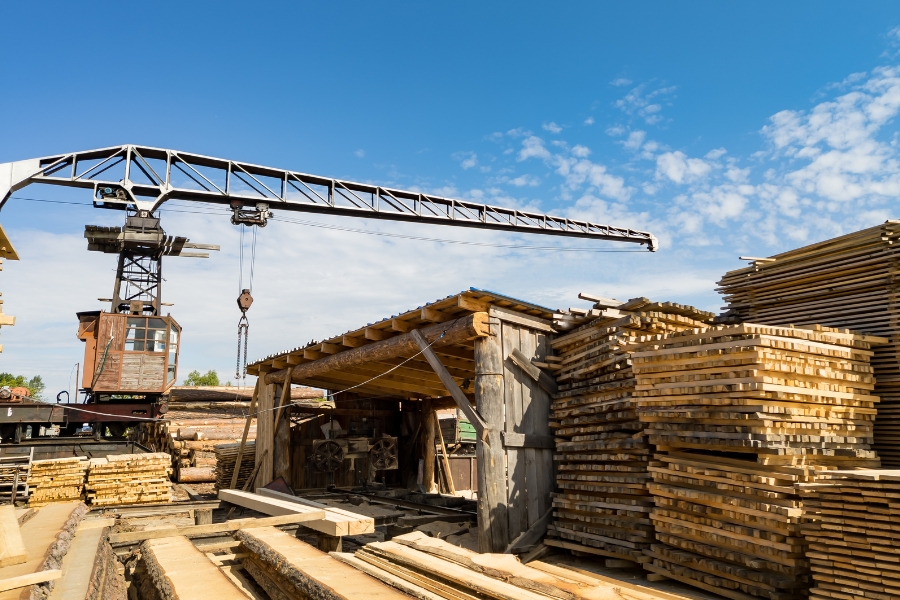
Coastal projects offer unique aesthetic value and appeal. However, behind the beautiful ocean views, there are major challenges that are often overlooked, namely exposure to salt and high humidity. These conditions can accelerate material deterioration, especially wood, if not chosen appropriately.
Therefore, choosing wood that is resistant to salt, seawater, and humidity is an important factor in ensuring that the construction remains sturdy and durable in the long term. However, not all wood is suitable for use in coastal environments. There are certain types of wood that are naturally or through a special process have better resistance to these extreme conditions.
What are they? Well, we will share recommendations for wood for coastal construction. Let’s take a look!
List of Woods for Coastal Construction
Once again, not all woods can withstand exposure to salty air, high humidity, and extreme weather changes. For that reason, here is a list of recommended woods for coastal construction.
1. Ulin (Ironwood)
Ulin wood is known as one of the most water-, salt-, and fungus- or termite-resistant woods. Its dense nature and resistance to absorbing seawater make it ideal for foundation components, pier piles, and structures that are often in direct contact with high humidity. In Indonesia, ironwood is a favorite for heavy construction wood that needs to last a long time.
2. Teak
Teak has long been used in shipbuilding and outdoor decks because of its natural oil content that is resistant to humidity and weather changes. Its texture is also relatively stable, so it experiences less shrinkage or warping in coastal environments.
3. Ipe and Cumaru
Both types of wood are classified as tropical hardwoods with a very dense structure. Ipe, for example, can last for decades outdoors without intensive maintenance due to its resistance to water, fungi, and physical damage. Cumaru is also often a more economical but still strong alternative.
4. Bangkirai (Yellow Balau)
Bangkirai has a good reputation for outdoor applications such as decks, bridges, or fences. Its natural resistance to moisture and pests makes it an attractive choice for construction wood in tropical climates.
5. Thermally Modified Wood
This is not a specific type of wood species, but rather the result of a heat treatment process that changes the structure of the wood cells, making them more stable against moisture, resistant to fungi, and more resistant to weather changes. Thermally modified wood is suitable for facades, decks, or finishing elements in beach houses.
6. Garapa
Garapa is a hardwood option that has a warm natural color and natural resistance to moisture and seawater. In addition to its attractive appearance, this wood performs well in challenging coastal environments.
Tips for Choosing Wood
To ensure that the wood you use is durable and suits your needs, there are several important things you should consider. What are they?
- Choose wood with a dense structure and tight grain, as this type is more impervious to water and does not rot easily.
- Wood that contains natural oils is generally more resistant to mold, termites, and high humidity.
- Don’t hesitate to add special treatments, such as drying, preservation, or waterproof finishing, to extend the wood’s lifespan.
- Match your wood choice to the technical requirements of the building, from load-bearing capacity and environmental conditions to budget. If necessary, consult with an expert to avoid making the wrong choice.
So, building in coastal areas requires careful material selection. The right wood for construction is not just about appearance, but also about long-term resistance to salt, humidity, and extreme sea weather. In essence, the more appropriate the choice of wood, the lower the risk of damage and maintenance costs in the future.
Now you are ready for the next stage of your coastal construction project. Remember, the environmental challenges are not insignificant, so choosing the right materials is key. And when it comes to materials that are truly ready to use, Hojaya can be your reliable solution. We provide a wide selection of solid wood and plywood with guaranteed quality and clear standards. Whether it’s for large-scale projects, commercial property development, or home renovations in coastal areas, everything can be tailored to your needs.
So, instead of worrying about material quality, why not trust Hojaya? Check out our products and ensure your construction is built with materials that are durable, strong, and reliable for the long term.