


Blog
Checklist Before Buying Building Wood to Avoid Losses

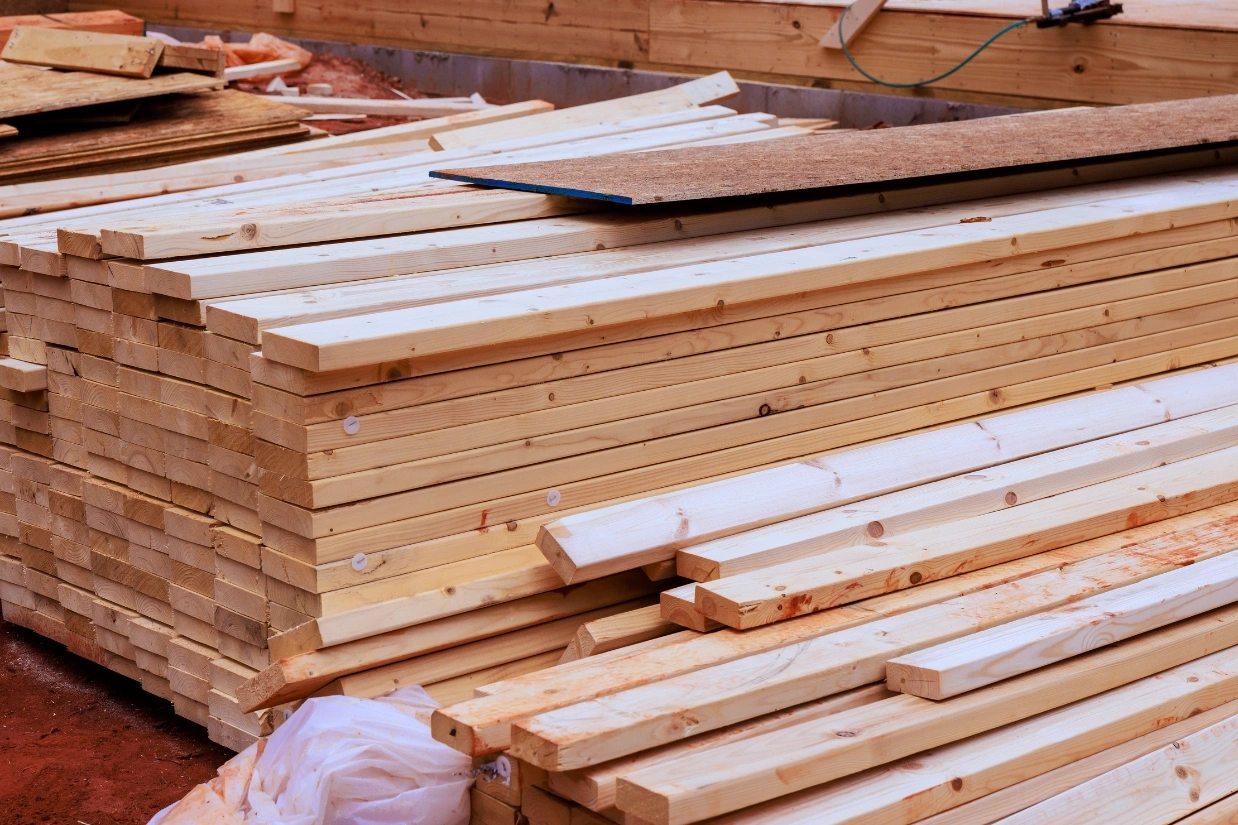
Choosing wood for construction projects is not something to be taken lightly. Many people are tempted by low prices, but end up incurring additional costs due to poor quality wood, prone to warping, or rapid rot. However, choosing the right building wood from the start can help make your project more durable, safer, and more cost-effective in the long run.
Interestingly, many professional contractors and workshops have a specific checklist before purchasing wood materials. They not only look at price but also consider moisture content, wood type, and supplier stock consistency. So, to avoid making the wrong purchase, let’s learn about the important checklists you must consider before purchasing wood materials for your construction project!
What is an Important Checklist for Buying Building Wood?
Before purchasing wood for construction or interior needs, there are checklists you must follow to avoid losses and ensure the project runs safely and efficiently. What are they?
1. Determine Wood Needs According to Function
The first thing that is often overlooked is determining the wood’s function. However, each type of wood has different characteristics. For example:
- Meranti wood is suitable for frames and light frames.
- Bengkirai is known for its strength for outdoor use.
- Camphor wood is often chosen because it is quite termite-resistant.
- Plywood is suitable for formwork and interiors.
If you choose the wrong material, the construction results can be less than optimal and even deteriorate quickly. So, don’t just focus on appearance or low price.
2. Check the Wood’s Moisture Content
One cause of wood warping or cracking quickly is too high a moisture content. Wood that is not sufficiently dried will usually shrink after installation.
Ideally, the moisture content of construction wood should be between 12–20%, depending on its use. Professional suppliers usually provide wood that has undergone a more stable drying process to prevent deformation after use. Many wood industry players also consider the quality of the drying process to be crucial for the long-term durability of the material.
3. Check the Wood’s Surface and Structure
Before purchasing building wood, try to physically inspect it. Avoid wood with the following conditions:
- Many large knots
- Long cracks
- Excessively soft surface
- Mold
- Many small holes caused by insects
Wood that looks good on the outside may not be strong on the inside. Therefore, manual inspection is still important, even when buying in bulk.
4. Ensure Correct Size and Thickness
Sizing errors often lead to material waste. Many buyers don’t check the actual dimensions of the wood and rely solely on the label. For example, 18 mm plywood sometimes has a specific thickness tolerance. For structural purposes, small differences like this can affect the strength of the construction. Therefore, don’t hesitate to re-measure before purchasing, especially if it is used for:
- Formwork
- Building frames
- Custom furniture
- Wooden flooring
5. Choose a Supplier with Consistent Stock
This is a crucial point that is often overlooked. Suppliers with unstable stock can delay projects. In construction projects, material delays can cause cost overruns and delays to work schedules. Suppliers with consistent stock are usually more trusted by contractors because the quality between batches is more stable.
So, besides price, make sure the supplier also has:
- Clear warehouse
- Complete product range
- Stable delivery
- Consistent quality
6. Don’t be immediately tempted by low prices
A low price is attractive, but it’s not necessarily the most economical. Low-quality wood usually:
- Deteriorates quickly
- Easily eaten by termites
- Can’t withstand heavy loads
- Is more wasteful because it has to be replaced frequently
It’s better to buy quality, durable wood than to have to renovate quickly.
Is Expensive Wood Always Better?
Not always. Wood prices are influenced by many factors, such as the type of wood, the drying process, the age of the wood, and the quality of the finish. Some building wood is moderately priced but remains strong and durable if used according to its intended purpose. Conversely, even expensive wood can quickly deteriorate if stored incorrectly or installed improperly.
Therefore, the main focus should not be simply on price or cheapness, but rather:
- Fitness to function
- Material quality
- Supplier credibility
- Long-term durability
Therefore, purchasing building wood requires careful consideration to avoid losses in the future. Don’t just look at the low price; also consider the wood quality, moisture content, dimensions, and the supplier’s reputation. With the right checklist, the material you choose will be more durable, strong, and meet the project’s needs.
So, for quality wood materials for construction and interior design, Hojaya is the right choice! We provide a variety of solid woods such as bamboo, dolken gelam, albasiah, kruing, and many more. We also offer plywood, film-faced, and fancy in a full range of thicknesses for home projects, workshops, and large-scale construction.
Complete, right? Contact us to discuss your wood needs and choose the best materials to ensure your project runs safely and efficiently!
FAQ
- What are the signs of good quality wood?
Good wood generally has a balanced moisture level, a smooth surface, few insect infestations, and strong, dense grain.
- Why does wood warp after installation?
This is usually because the wood’s moisture content is still high, causing it to shrink as it dries.
- Is plywood suitable for construction?
Yes, especially marine plywood or film-face plywood, which have better resistance to loads and moisture.
- Which is more durable, solid wood or plywood?
Both can last if used properly and are of good quality.
- How can you avoid buying the wrong wood?
Be sure to buy from a trusted supplier, check the wood’s physical condition, and match the type of wood to the project’s needs.