


Blog
Moldy Plywood? Here Are the Causes and How to Fix It Properly

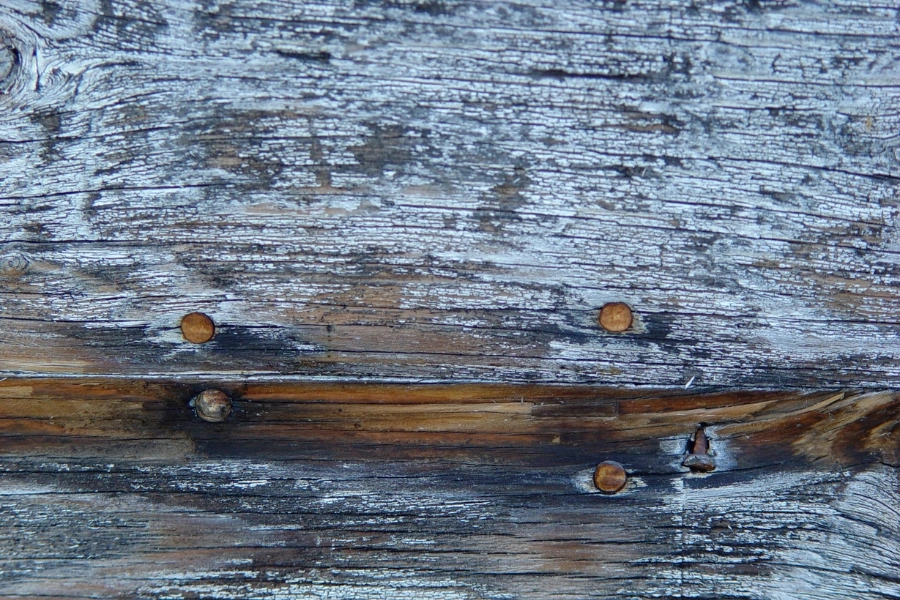
Plywood is a popular choice for interior design, furniture, and light construction. In addition to being relatively affordable, it’s easy to shape and has an attractive appearance. Unfortunately, however, one common problem is moldy plywood.
This problem is often dismissed as minor because it initially appears as small spots on the wood’s surface. However, if left unchecked for too long, mold can cause the plywood to rot quickly, discolor, emit an unpleasant odor, and even weaken the material.
Are you facing this issue? To ensure you handle it correctly, let’s find out what causes plywood to develop mold and how to address it properly!
Why Does Plywood Get Moldy?
Mold actually grows due to a combination of humidity, poor air circulation, and damp organic surfaces. Since plywood is made of layers of wood, this material is quite vulnerable when exposed to overly damp environments.
Here are some of the most common causes of mold growth on plywood:
1. Excessively Humid Rooms
Areas like kitchens, bathrooms, storage rooms, or poorly ventilated spaces often become ideal breeding grounds for mold. High humidity allows mold spores to multiply more rapidly on the surface of the plywood.
2. Plywood Frequently Exposed to Water
Water that seeps into the layers of plywood can cause mold to grow from the inside. This often occurs in furniture near sinks, in areas with leaks, or on materials constantly exposed to water splashes.
3. Improper Material Storage
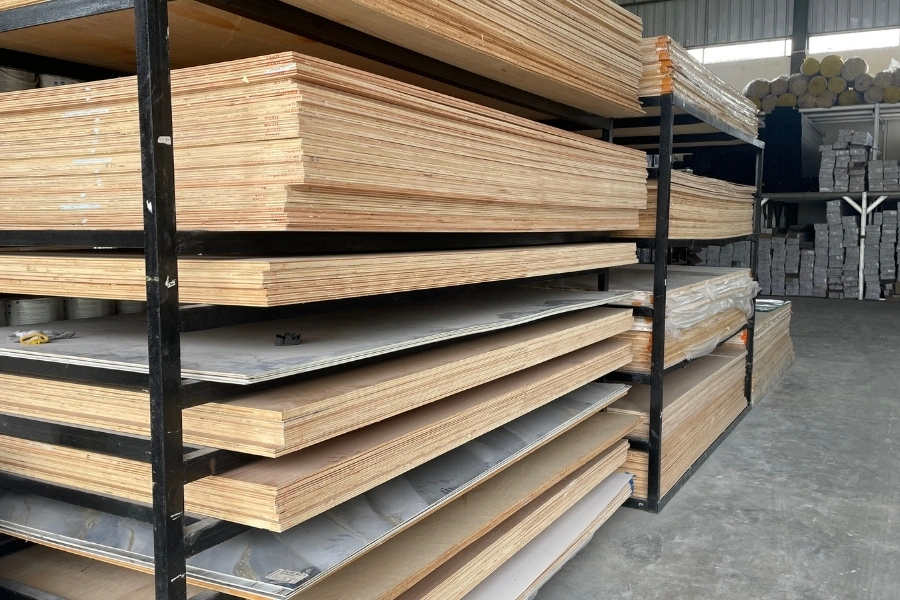
Many people stack plywood directly on the floor or in enclosed spaces with no air circulation. However, these conditions trap humid air and trigger mold growth.
4. Using Unsuitable Materials
Not all plywood is suitable for use in damp areas. Using standard plywood in wet areas usually causes the material to deteriorate and develop mold more quickly.
How to Properly Treat Mold Growth on Plywood
Cleaning moldy plywood shouldn’t be done by simply scrubbing it. If the method is wrong, the wood surface can actually be damaged or the finish color altered. Here are some safer and more effective methods:
1. Use a Vinegar or Borax Solution
White vinegar is quite effective at killing light mold on plywood surfaces. Mix it with water, then spray it onto the moldy area and let it sit for about 15–30 minutes before wiping it clean with a soft cloth.
2. Clean with Hydrogen Peroxide
A 3% hydrogen peroxide solution is also commonly used to kill mold spores. This method is quite effective for treating mold on plywood without using harsh chemicals.
3. Dry It Completely
The most common mistake is cleaning the mold but leaving the plywood damp. However, residual moisture actually causes the mold to grow back. After cleaning, make sure the material is completely dry using a fan or sunlight.
4. Use a Coating or Sealant
Protective coatings, such as moisture-resistant coatings or sealants, can help reduce water absorption in the plywood. This method is effective for long-term protection.
How to Prevent Mold Growth on Plywood
Instead of constantly cleaning up mold, it’s better to take preventive measures from the start. Here are some tips to prevent moldy plywood!
- Ensure the room has good ventilation.
- Avoid direct contact between the plywood and water.
- Use an exhaust fan or dehumidifier in damp areas.
- Do not store plywood directly on the floor.
- Choose plywood with better moisture resistance for specific areas.
If the plywood is used in areas prone to moisture, such as the kitchen or bathroom, it is best to use material with better moisture resistance so that it is more resistant to changes in temperature and humidity.
More Moisture-Resistant Plywood Options
For areas with high humidity levels, material selection is crucial. Certain types of plywood, such as HMR (High Moisture Resistant), are specifically designed to be more moisture-resistant. Products like HMR and HMR Melamine from Hojaya offer excellent moisture resistance and are ideal for kitchen cabinets, vanities, and other interior spaces with high humidity.
In addition, we also provide a wide range of high-quality plywood and wood materials for interior and construction projects, ranging from MC Uty, HMCP, to Multi Melamine, all of which have undergone a rigorous selection process.
So, the bottom line is that mold on plywood can actually be prevented if you choose the right materials and keep the room dry. Don’t wait for mold to spread and damage the entire plywood surface. Start paying attention to room humidity and use high-quality plywood to ensure your furniture and interior projects last longer.
FAQ
Is mold on plywood dangerous?
Yes, especially if the mold has spread extensively. In addition to damaging the material, mold can also affect indoor air quality and trigger allergies.
Does moldy plywood need to be replaced?
Not always. If the mold is still on the surface, it can usually be cleaned off. However, if the plywood is already brittle and rotten, it should be replaced.
How can you prevent mold from reappearing?
Maintain good air circulation, avoid overly damp areas, and apply a protective coating to the plywood.
What type of plywood is suitable for damp areas?
HMR plywood or materials with better moisture resistance are more suitable for damp areas such as kitchens and bathrooms.
Can a coating help prevent mold?
Yes, a coating or sealant can help reduce water absorption, making the plywood more resistant to moisture.