

Blog
Don’t Buy Plywood Material Until You Know These 7 Things

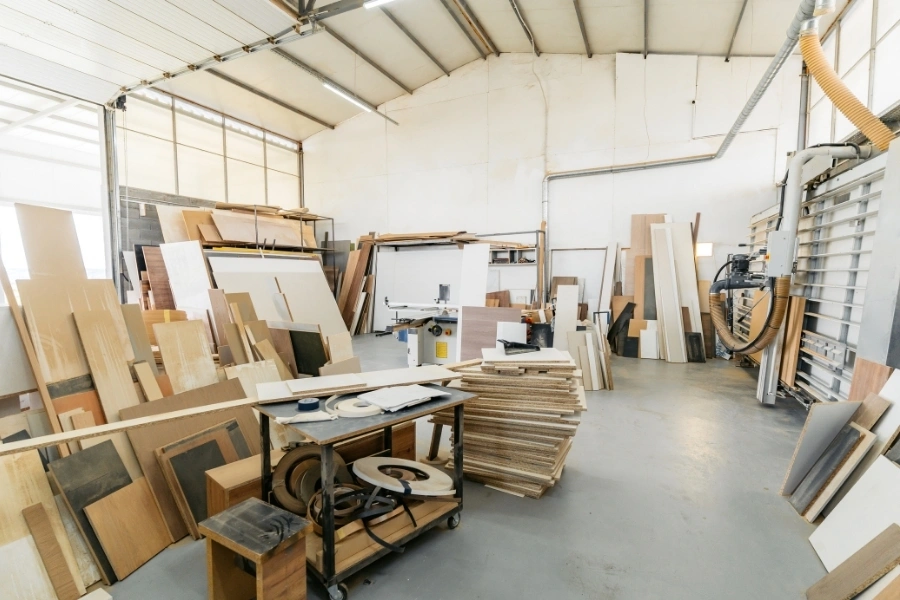
Choosing plywood material is often considered easy because all types look almost the same. In reality, however, each type of plywood has different characteristics, qualities, and functions. Choosing the wrong material not only results in subpar work but can also increase costs because the material may deteriorate quickly or need to be replaced.
So, to avoid making the wrong purchase, there are several important things you should understand before making your choice. Let’s find out so you can buy plywood that truly meets your project’s needs!
7 Important Things to Know About Plywood Material
Understanding plywood specifications from the start can help you avoid purchasing mistakes. Here are 7 things you must pay attention to so your investment in materials is more efficient and effective!
1. Not All Plywood Has the Same Core Quality
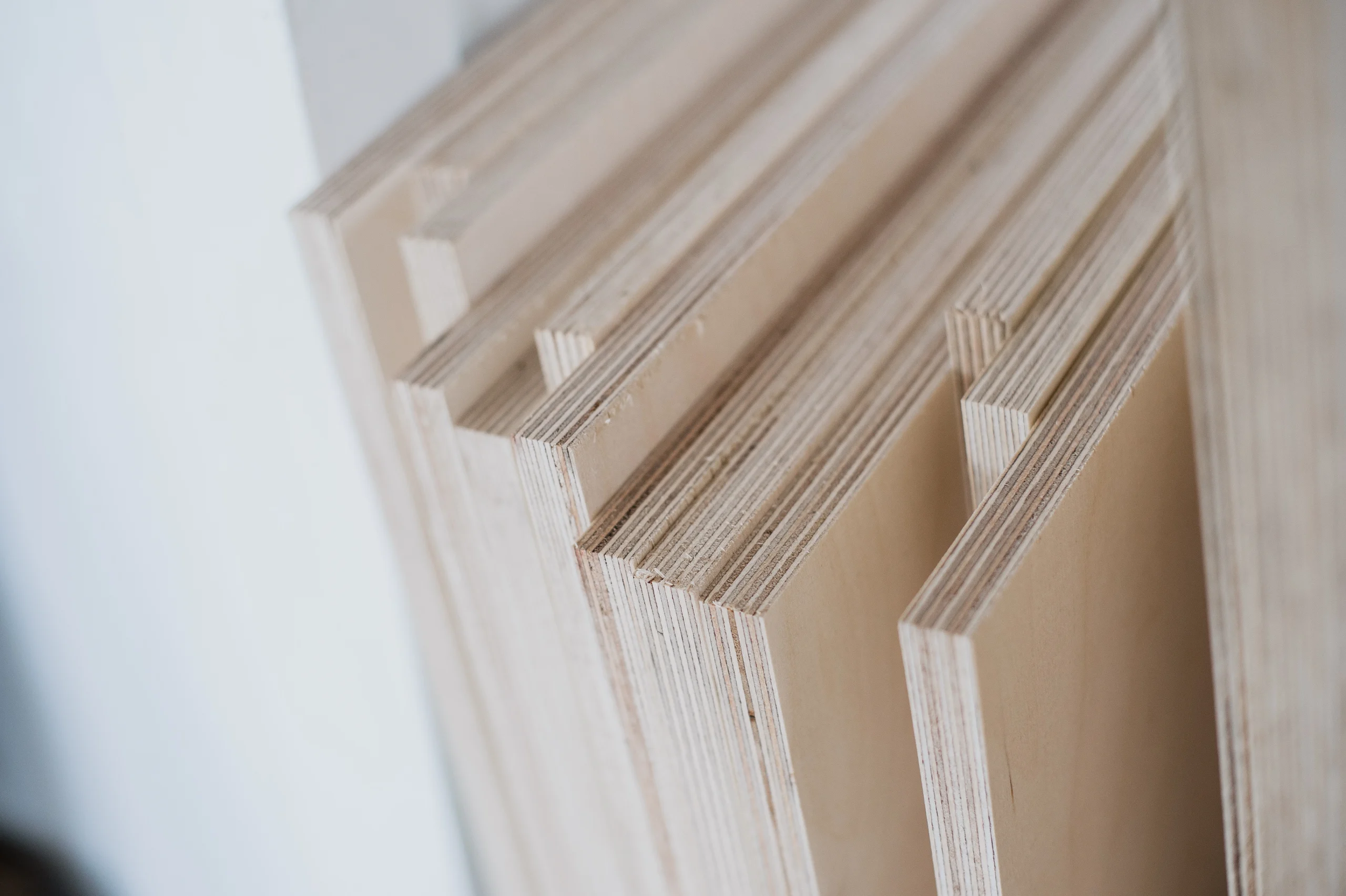
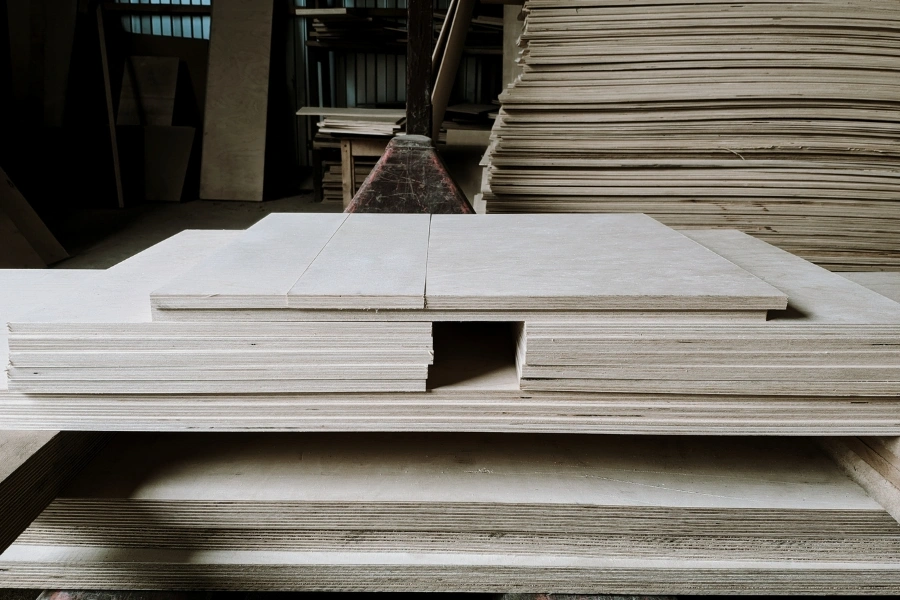
Many people only pay attention to the surface of the plywood, when in fact the core is what determines the material’s strength. The plywood core is typically made of several layers of veneer glued together in a cross-grain pattern. However, its quality can vary depending on:
- Type of wood.
- Density of each layer.
- Presence or absence of voids within the board.
- Consistency of the pressing process.
Plywood with many voids in the center tends to crack more easily when cut or fastened with screws. Conversely, a dense core provides far better durability and stability.
2. Adhesive Type Determines Water Resistance
The most common mistake when buying plywood is failing to ask about the type of adhesive used. Generally, there are several types of adhesives, such as:
- MR (Moisture Resistant) for areas with moderate humidity.
- WBP (Water Boiled Proof), which offers higher water resistance.
- Phenolic Glue, which is widely used for construction purposes, especially formwork.
The higher the quality of the adhesive, the lower the risk of the plywood layers peeling apart when exposed to water or weather changes.
3. Thickness Isn’t the Only Determinant of Strength
Many people assume that 18 mm plywood is definitely stronger than 15 mm plywood. In fact, strength isn’t determined solely by thickness, but also by:
- The number of veneer layers.
- The quality of the wood.
- The density of the material.
- The production process.
Plywood of moderate thickness but with tightly bonded layers is often stronger than thick plywood of low quality.
4. Match the Material to Its Intended Use
Before purchasing plywood material, first determine your project’s needs. For example:
- Furniture requires a smooth surface.
- Concrete formwork requires film-faced plywood.
- Interior applications require plywood that is stable against temperature changes.
- Industrial packaging requires plywood that is lightweight yet strong.
Remember, choosing the wrong specifications can cause project costs to balloon because the material won’t perform as intended.
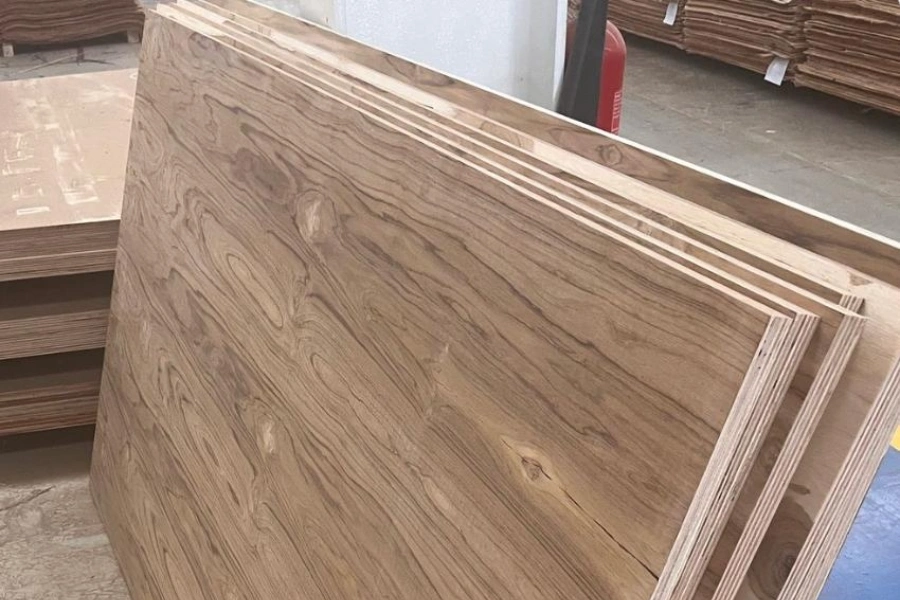
5. Pay Attention to Surface Quality (Face and Back)
The outer surfaces of plywood come in different grades. Generally, the higher the surface grade, the fewer natural defects there are, such as:
- Knot holes.
- Patches.
- Fine cracks.
- Discoloration.
For finishing applications such as laminating or spray painting, surface quality is a critical factor in ensuring a neat final result.
See also: How to Visually Check Plywood Quality Before Purchasing
6. Don’t Overlook Production Standards and Dimensions
In addition to quality, ensure the plywood dimensions strictly adhere to standards. Check the following:
- Length and width match specifications.
- Thickness is not significantly different from the nominal size.
- Precise board angles.
- The surface remains flat without warping.
Inaccurate dimensions can slow down the installation process and increase material waste on-site.
7. Choose a Supplier That Provides Transparent Product Information
Low prices are certainly appealing, but they shouldn’t be your only consideration. A good supplier is generally able to explain in detail the following:
- Type of wood.
- Type of adhesive.
- Thickness.
- Product applications.
- Quality standards.
With clear information, you can choose plywood material that meets your needs without having to guess about its quality.
So, don’t let your decision to buy plywood be based solely on the lowest price or its outward appearance. The quality of the core, the type of adhesive, the thickness, and the supplier’s reputation are all important factors that will affect the strength, durability, and long-term efficiency of the plywood. By understanding the 7 points above, you can choose plywood material that truly meets your project’s needs while avoiding the risk of waste due to selecting the wrong product.
Well, for high-quality plywood with clear specifications and a comprehensive product selection, Hojaya is the place to go! We offer a wide variety of plywood produced to the highest quality standards, ensuring optimal performance for any application whether for construction, industrial, or interior design needs. Our team is also ready to help you choose the most suitable product based on your project’s requirements, making the purchasing process easier, more efficient, and more targeted.
Contact us to discuss your project needs. By using the right materials from the start, the results will be better, more durable, and, of course, more cost-effective in the long run!
FAQ
1. What is plywood?
Plywood is a board made from several layers of wood veneer that are cross-laminated under high pressure, resulting in a strong and stable material.
2. What is the difference between MR and WBP plywood?
MR plywood uses moisture-resistant adhesive for interior applications, while WBP uses an adhesive with significantly higher water resistance, making it suitable for high-humidity areas and construction.
3. How can you identify high-quality plywood?
Check the density of the core layers, surface quality, precise thickness, and the absence of large voids; also ensure the supplier provides a complete description of the product specifications.
4. Is all plywood water-resistant?
No. The level of water resistance depends on the type of adhesive used. Plywood with WBP or phenolic adhesives generally has better water resistance than plywood with MR adhesives.
5. Why is it important to choose a trusted plywood supplier?
A trusted supplier typically provides transparent specification information, consistent product quality, and helps customers select plywood that meets their needs, thereby minimizing the risk of making the wrong purchase.