

Blog
Mistakes to Avoid When Storing Plywood Material

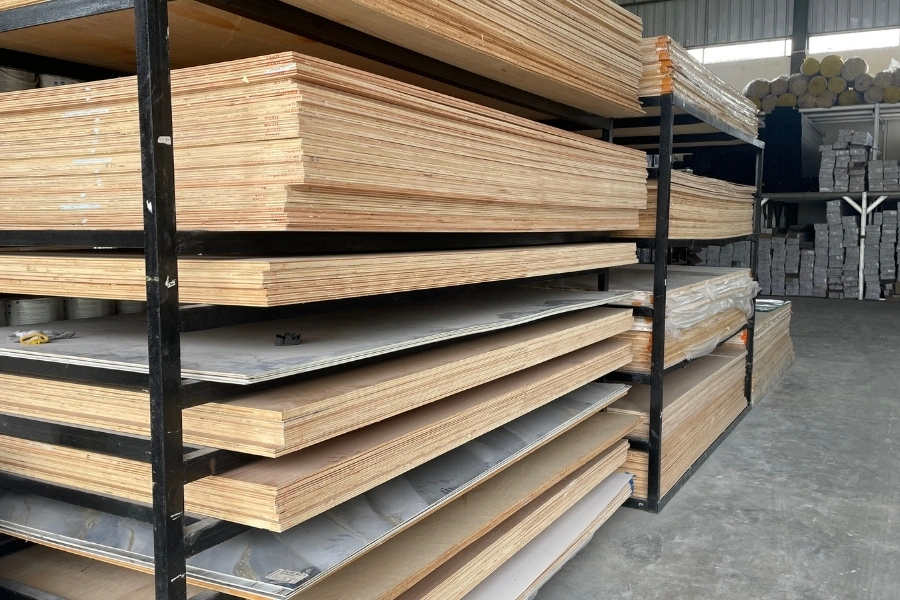
Plywood is often considered a robust material, leading people to overlook proper storage practices. However, incorrect storage methods plywood material can cause the sheets to warp, change dimensions, delaminate, or even develop mold before they are ever used.
The issue goes beyond just exposure to water. Uneven humidity fluctuations, stacking positions, floor surfaces, and even handling techniques can all affect the plywood’s condition. Therefore, storage should be treated as part of the material quality maintenance process, rather than just a matter of stashing stock in a warehouse.
So, what exactly constitutes incorrect storage? Let’s find out!
Mistakes When Storing Plywood Material
Storing plywood involves more than just placing it in a sheltered area. Here are some storage mistakes that can compromise the condition of the plywood!
1. Placing Plywood Directly on the Floor
This is the most common mistake. Concrete floors may appear dry, but they remain a source of moisture for sheets placed directly upon them. It is best to place plywood on pallets, support beams, or other bases that prevent direct contact with the floor. Aside from reducing the risk of moisture absorption from below, this method also allows for air circulation.
If the bottom of the sheet absorbs moisture while the top remains relatively dry, a moisture content imbalance occurs between the sides. This condition triggers shape distortions such as bowing or cupping.
2. Leaning Sheets at an Angle for Too Long
In cramped warehouses, plywood is often leaned against walls. While this may be practical for short-term storage, leaning sheets at an angle for extended periods creates uneven pressure.
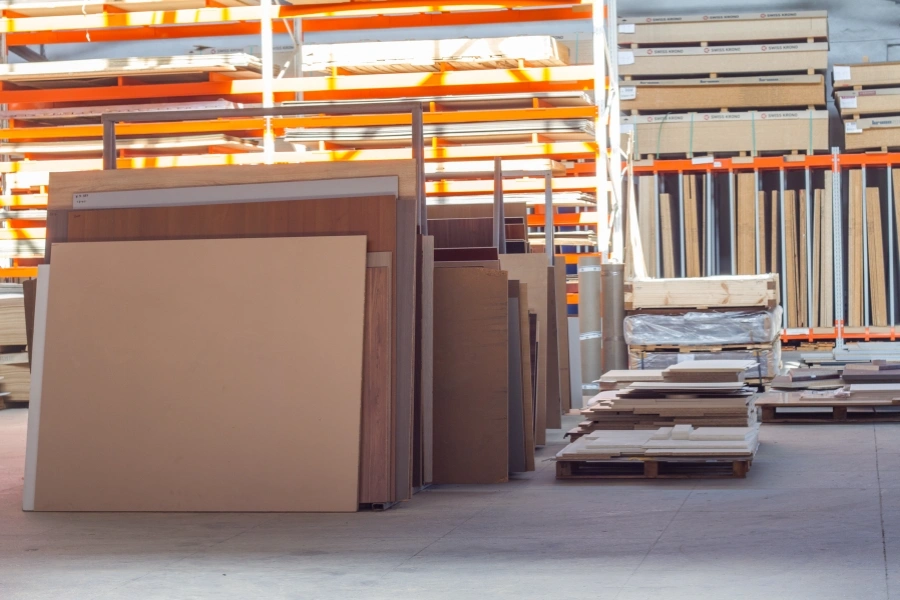
A safer approach is to store sheets horizontally on a flat surface with full support. If vertical storage is necessary, the sheets should stand upright and be properly supported to prevent warping.
3. Ignoring Warehouse Humidity
It is not just water that requires attention. High humidity causes wood to gradually absorb moisture. The problem intensifies when one side of a sheet is exposed to more moisture, heat, or sunlight than the other, as this disparity causes the panel to undergo dimensional changes.
Therefore, store plywood in a dry, well-ventilated area with relatively stable conditions. Avoid locations near damp walls, water sources, or areas exposed to direct sunlight.
4. Stacking Without Ensuring Level Supports
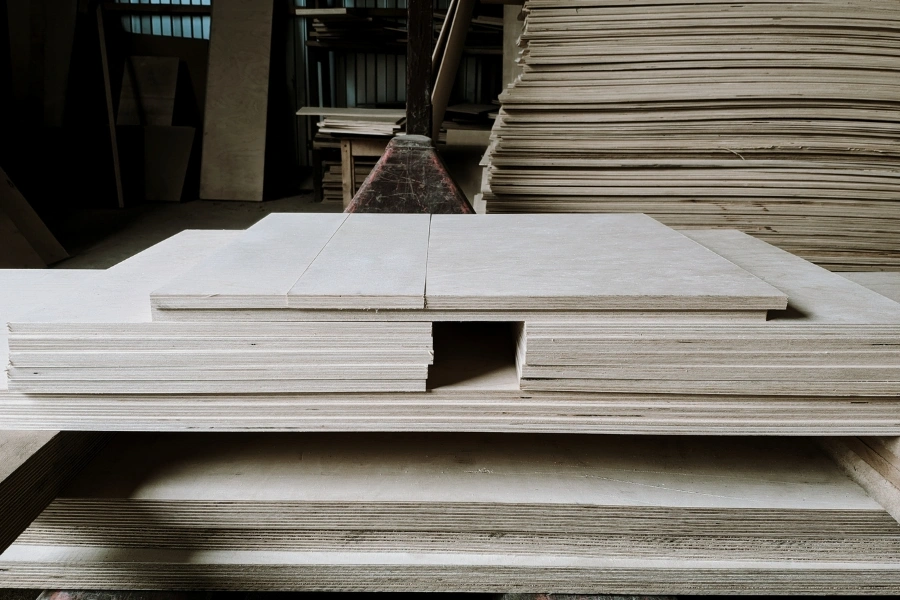
While stacking multiple sheets of plywood material saves space, simply piling them up is not enough. The base of the stack must be level and capable of supporting the sheets evenly. If only the ends are supported, the center of the panels may sag under their own weight—a deformation that can be difficult to reverse during long-term storage.
The thinner the sheet, the more critical even support becomes; thin panels conform more readily to the shape of the storage surface than thicker ones.
5. Exposing Plywood to Sunlight or Water
Storing stock in an open area with the mindset that it “will be used eventually” can prove costly. Rain, dew, solar heat, and fluctuating humidity accelerate the deterioration of quality.
Covering the material must also be done correctly. If using a tarp, avoid wrapping the entire stack tightly without ventilation, as this traps moisture inside. The guiding principle is simple: protect the plywood from water and sunlight while ensuring adequate air circulation.
6. Processing Plywood Immediately After Moving It
One step that is often overlooked is acclimatization. When plywood is moved from a warehouse, vehicle, or storage area into a room with different temperature and humidity levels, the material needs time to adjust. Some storage guidelines recommend an acclimatization period of 24–48 hours before cutting or installation, depending on the condition of the material and the environment in which it will be used. The goal is not merely to let the material sit, but to allow for changes in moisture content to occur prior to cutting and installation.
7. Assuming All Plywood Types Have the Same Durability
This is also a crucial point. The type and specifications of the plywood material determine its suitability for specific environments. For instance, Hojaya offers a wide range of options, such as MC Uty, BBCC Export, OVL, blockboard, HMR, and others.
These options allow material choices to be tailored to the intended function, environmental conditions, and desired finish. Therefore, the consideration shouldn’t simply be whether the plywood is durable; rather, the focus should be on whether its specifications align with the storage location and end-use application.
Ultimately, maintaining plywood involves more than just purchasing a quality product; it also depends on how the material is handled from the moment it arrives at the warehouse. Improper storage can cause sheets that were initially in good condition to develop issues before they even reach the production stage. Don’t focus solely on the price per sheet. Ensure the plywood type meets your needs and is set up with a proper storage system from the start. The bottom line is that high-quality plywood still requires proper handling!
FAQ
1.Can plywood be stored vertically?
It is permissible under certain conditions, provided the sheets stand upright and are well-supported. However, for long-term storage, a horizontal position with even support is recommended.
2. Can plywood be placed directly on the floor?
It is best avoided. Use pallets or a base to elevate the stack off the floor and minimize the risk of moisture exposure.
3. Why does plywood warp during storage?
One of the primary causes is uneven changes in moisture levels. Improper storage positioning and inadequate support can also increase the risk of deformation.
4. How long should plywood acclimatize before use?
As a general guideline, plywood should be left in the area where it will be used for approximately 24–48 hours to adjust to the environmental conditions. However, the ideal duration depends on the specific material and environmental conditions.
5. Are all types of plywood suitable for humid areas?
Plywood’s moisture resistance depends on its type, adhesive, construction, and material specifications. Therefore, select the plywood type based on the intended usage conditions, not just its thickness.