

Blog
Which Plywood is Most Efficient for Custom Furniture?


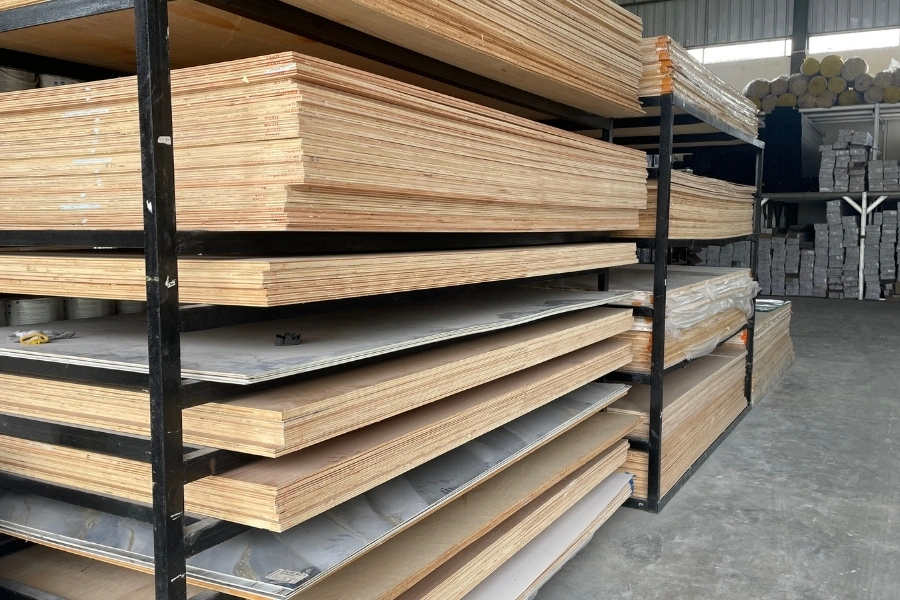
Creating custom furniture is not just about attractive design; it is also about the materials used. Plywood is a top choice among craftspeople and interior contractors alike. It is highly favored for custom furniture due to its superior stability compared to solid wood, cutting efficiency, batch-to-batch consistency, and ease of shaping to meet design requirements.
However, with the wide variety of plywood types on the market, many people still struggle to determine the most efficient option for their projects. Factors ranging from grade and thickness to moisture resistance must be considered to ensure the finished furniture is not only neat but also durable in the long run. Let’s explore the most efficient plywood options for custom furniture so you can choose the right material!
Which Plywood is Most Efficient for Custom Furniture?
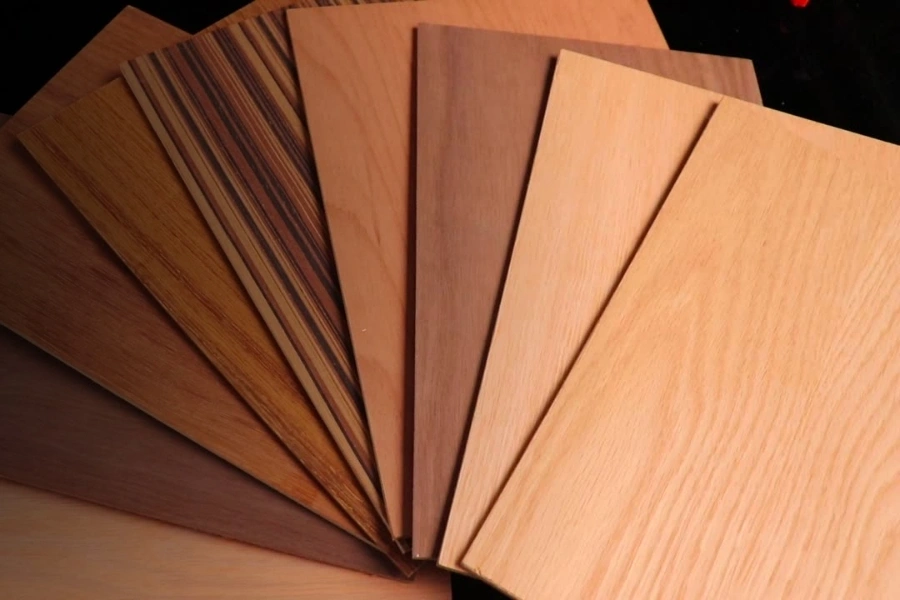
Each type of plywood offers distinct advantages depending on the intended function of the furniture. Several types are frequently recommended for custom furniture. What are they?
1. Melamine-Faced Plywood (Multi Melamin)
This plywood features a melamine surface layer, resulting in a smooth, sleek finish available in various colors. It is ideal for cabinets, drawers, or tables where a neat appearance is desired without the need for complex additional finishing processes.
2. Blockboard
Blockboard consists of a core of small solid wood strips arranged side-by-side, sandwiched between layers of veneer. This structure makes blockboard relatively lightweight yet strong enough to bear loads, making it a common choice for large furniture items like wardrobes or room partitions.
3. HMR and HMCP
HMR (High Moisture Resistant) and HMCP plywoods are known for their superior moisture resistance compared to standard plywood. These types are frequently selected for furniture in kitchens, bathrooms, or other areas regularly exposed to water splashes.
4. MDF
MDF is made from compressed fine wood fibers, resulting in a very smooth, uniform surface. It is easily shaped for intricate design details—such as carved panels or for modern, minimalist furniture styles. However, MDF is not recommended for areas frequently exposed to water, as its moisture resistance is lower than that of HMR.
5. Teakwood and Megateak
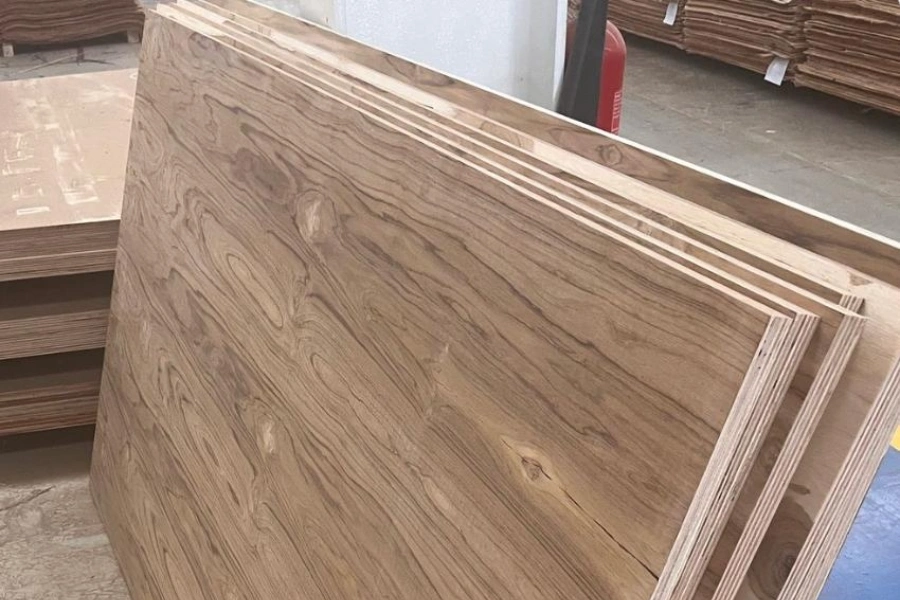
For those who prioritize the aesthetic appeal of teak without the high cost of solid wood, teakwood and Megateak are viable options. Their grain patterns resemble genuine teak, making them popular choices for high-end furniture—such as display cabinets or tables—featuring a natural finish.
Read also: Megateak vs. Megasungkai: What Is the Difference?
Plywood Thickness Table Based on Furniture Application
| Furniture Applications | Thickness | Plywood Type |
| Kitchen cabinet doors | 12–18 mm | Melamine-faced multi-ply, HMR, HMCP |
| Kitchen cabinet carcass | 15–18 mm | Melamine-faced multi-ply, HMR, HMCP |
| Bookshelves and display shelves | 15–18 mm | Melamine-faced plywood, blockboard |
| Wardrobe | 15–18 mm | Melamine-faced Plywood, Blockboard, HMR |
| Work/dining table | 18–25 mm | Melamine-faced board, blockboard, teak plywood, Megateak |
| Furniture drawers | 9–15 mm | Multi Melamine, MDF, HMR |
| Room partition | 12–18 mm | Blockboard, melamine-faced plywood, MDF |
| Decorative panel / wall panel | 9–15 mm | MDF, Teakwood, Megateak |
| Bathroom cabinet | 15–18 mm | HMR, HMCP |
| TV stand / display cabinet | 15–18 mm | Multi Melamin, Blockboard, Teakwood |
| Bed headboard | 12–18 mm | MDF, Multi Melamin, Teakwood |
Tips for Choosing Plywood to Ensure Optimal Custom Furniture Results
To achieve the best results with plywood furniture, consider the following factors before purchasing materials:
- Match the plywood type to the furniture’s function and location (e.g., dry vs. humid areas).
- Pay attention to the surface grade, especially for parts of the furniture that are clearly visible.
- Select the thickness based on structural requirements rather than just the lowest price (e.g., 15–18 mm for a work desk).
- Ensure the plywood surface is smooth, flat, and free of undulations.
- Check the quality of the adhesive between layers to ensure durability and prevent delamination.
By considering the right type, grade, and thickness, you can select plywood that aligns with both your design needs and your project budget.
Ultimately, there is no single “most efficient” type of plywood for every custom furniture project; the choice depends on function, installation location, and the desired final aesthetic. Melamine-faced plywood and MDF are excellent for sleek designs at a lower cost; blockboard is ideal for large furniture pieces; and HMR and teakwood are better suited for moisture resistance and a premium look.
Still unsure which plywood to choose? Don’t worry, Hojaya is here to provide the best materials. We offer a wide range of options, from melamine-faced plywood for ready-to-use surfaces and blockboard for sturdy structures to HMR for humid areas and teakwood for a premium, teak-like appearance.
So, what are you waiting for? Consult with us about your custom furniture needs today!
FAQ
1.What is the difference between plywood and MDF for custom furniture?
Plywood is composed of cross-layered veneers, making it stronger and more warp-resistant, whereas MDF is made from dense wood fibers, offering a smoother surface but lower moisture resistance.
2. Is blockboard strong enough for large wardrobes?
Yes, it is strong enough; its core structure consists of tightly arranged solid wood, allowing it to support the weight of large furniture without easily warping.
3. Which type of plywood is suitable for kitchen sets?
HMR or HMCP is recommended for kitchen sets because they offer superior moisture resistance compared to standard plywood.
4. Can teakwood be used without additional finishing?
Yes, it can, as the wood already possesses a grain similar to teak; however, applying a protective coating is still recommended to ensure greater durability.
5. What plywood thickness is recommended for a work desk?
A thickness of 15–18 mm is generally strong enough for a work desk, preventing it from warping easily when bearing weight over an extended period.