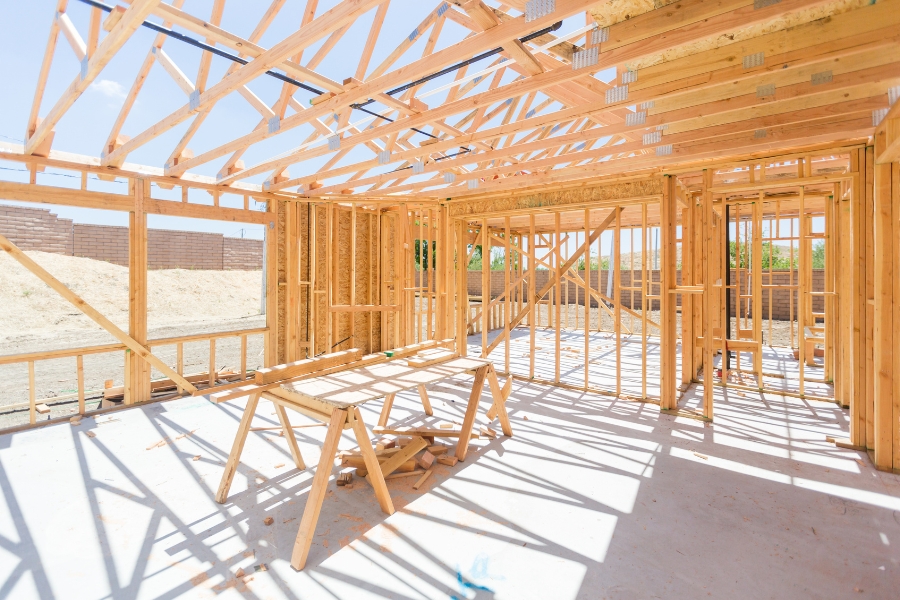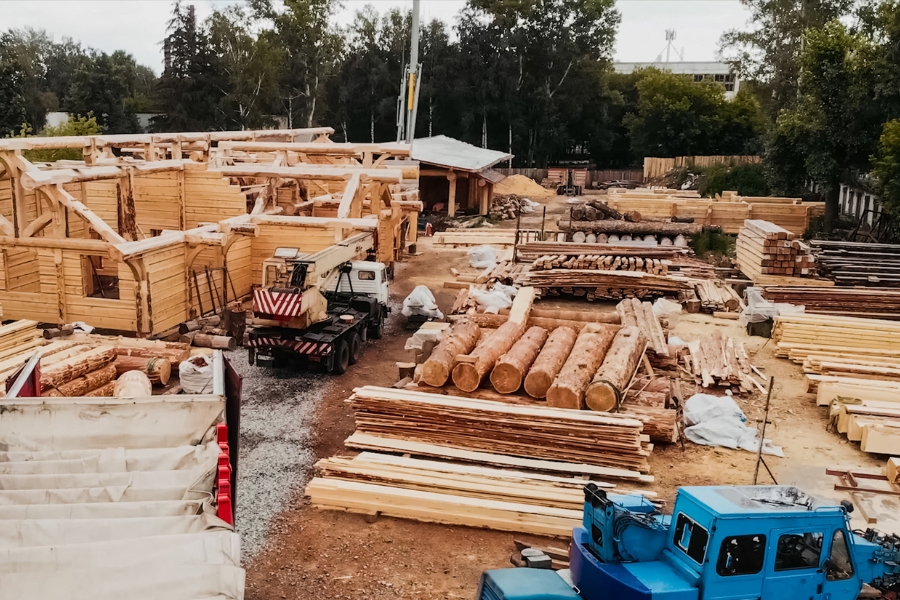



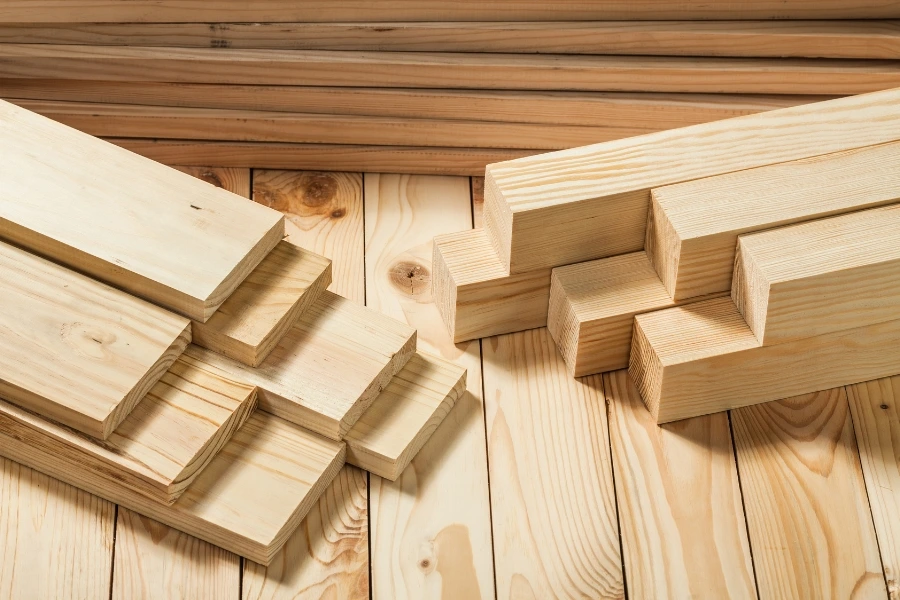
Wood remains one of the most popular materials in the construction industry. In addition to its natural aesthetic appeal, construction wood is also known for its strength, flexibility, and ease of processing for various applications, ranging from roof trusses to door and window frames. However, many people make mistakes when selecting this material, which can impact the long-term quality of the building.
In fact, each type of wood has distinct characteristics, such as strength levels, weather resistance, and resistance to pest attacks. For example, teak is known for its exceptional strength and resistance to termites, while bangkirai is more commonly used for outdoor areas due to its ability to withstand extreme weather conditions.
So, for those of you planning a construction or renovation project, let’s find out the common mistakes in choosing wood to ensure your building remains sturdy and long-lasting!
Mistakes in Choosing Wood for Construction Projects
Choosing wood for a construction project isn’t something to be taken lightly. Many people only consider price or appearance without understanding the material’s quality and characteristics. Here are some common mistakes that often occur when selecting construction wood.
1. Not Understanding the Types of Wood Used
The first common mistake is choosing wood based solely on price or appearance. In reality, each type of wood serves a different purpose in construction. For example, meranti wood is often used for interiors because of its attractive appearance, but it is less resistant to weather changes. Meanwhile, bengkirai wood is better suited for outdoor use because it is stronger and more resistant to extreme environments.
Therefore, selecting wood without understanding its characteristics can lead to the material deteriorating quickly or failing to support structural loads.
2. Ignoring the Moisture Content of the Wood
One important factor that is often overlooked is the moisture content of the wood. Wood with high moisture content tends to warp, crack, or even shrink after being installed in a building. Ideally, wood used for construction should have undergone a drying process (kiln-dried). Dried wood is more stable and less prone to warping when exposed to changes in temperature or humidity.
Therefore, before purchasing, ensure that the construction wood meets the standard moisture content requirements.
3. Failing to Inspect Wood for Defects
Defects in wood, such as cracks, small holes, or rotten sections, are often overlooked. However, these defects can reduce the wood’s strength and potentially lead to structural failure.
In construction projects, wood with structural defects can reduce durability and even increase the risk of collapse if used in primary load-bearing components. Therefore, inspect the physical condition of the wood before purchasing, including the grain, surface, and material density.
4. Failing to Consider Resistance to Pests
Termites and fungi are the primary enemies of wood. Some types of wood have natural resistance to insects, but others require special treatment to ensure longevity. Wood with a soft structure or low durability class is typically more susceptible to termite attacks, especially in humid environments.
For this reason, if the project is located in an area with a high risk of pest infestation, it is advisable to use wood that has undergone a preservation treatment.
5. Buying Wood from Unreliable Suppliers
Many people are tempted by low prices without considering the seller’s reputation. In reality, reputable wood suppliers usually maintain higher standards for quality, drying processes, and storage.
Choosing a professional supplier also makes it easier for you to obtain the right type of construction wood for your project’s needs, whether for structural, interior, or decorative purposes.
Types of Wood for Construction Projects
In building construction projects, the choice of wood must be tailored to the structural requirements and the building’s environment. Here are some types of wood commonly used in construction:
1. Teak
Teak is known for its strength, termite resistance, and durability, making it a popular choice for building structures, window frames, doors, and furniture.
2. Meranti Wood
This wood is quite popular because it is more affordable. It is typically used for light framing, ceilings, or interior building components.
3. Bengkirai Wood
Bengkirai is hard and weather-resistant, making it a common choice for outdoor areas such as decking or open-air building structures.
4. Camphor Wood
Camphor wood is quite strong and stable, and has a distinctive aroma that helps repel insects. It is generally used for window frames and doors.
5. Merbau Wood
Merbau has a dense grain and is resistant to moisture, so it is often used for hardwood floors, stairs, or other construction elements.
Choosing wood materials may seem simple, but it actually requires special attention. Mistakes such as not understanding wood types, ignoring moisture content, or purchasing from unreliable suppliers can have a significant impact on the quality of the building. So, to ensure your construction project runs smoothly, make sure you use high-quality wood that meets both structural and design requirements.
Well, for high-quality wood materials, Hojaya is the solution! We offer premium wood products such as solid wood, plywood, film-faced plywood, and fancy wood, all suitable for both construction and interior design needs. With the right materials, your building project will be stronger, more durable, and, of course, more aesthetically pleasing.
So, before starting your project, make sure you don’t choose the wrong wood materials. With the right choice from the start, the finished building will be more durable and of higher value!