


Blog
High-Quality Roof Rafters, Here Are Some Tips for Choosing Them!

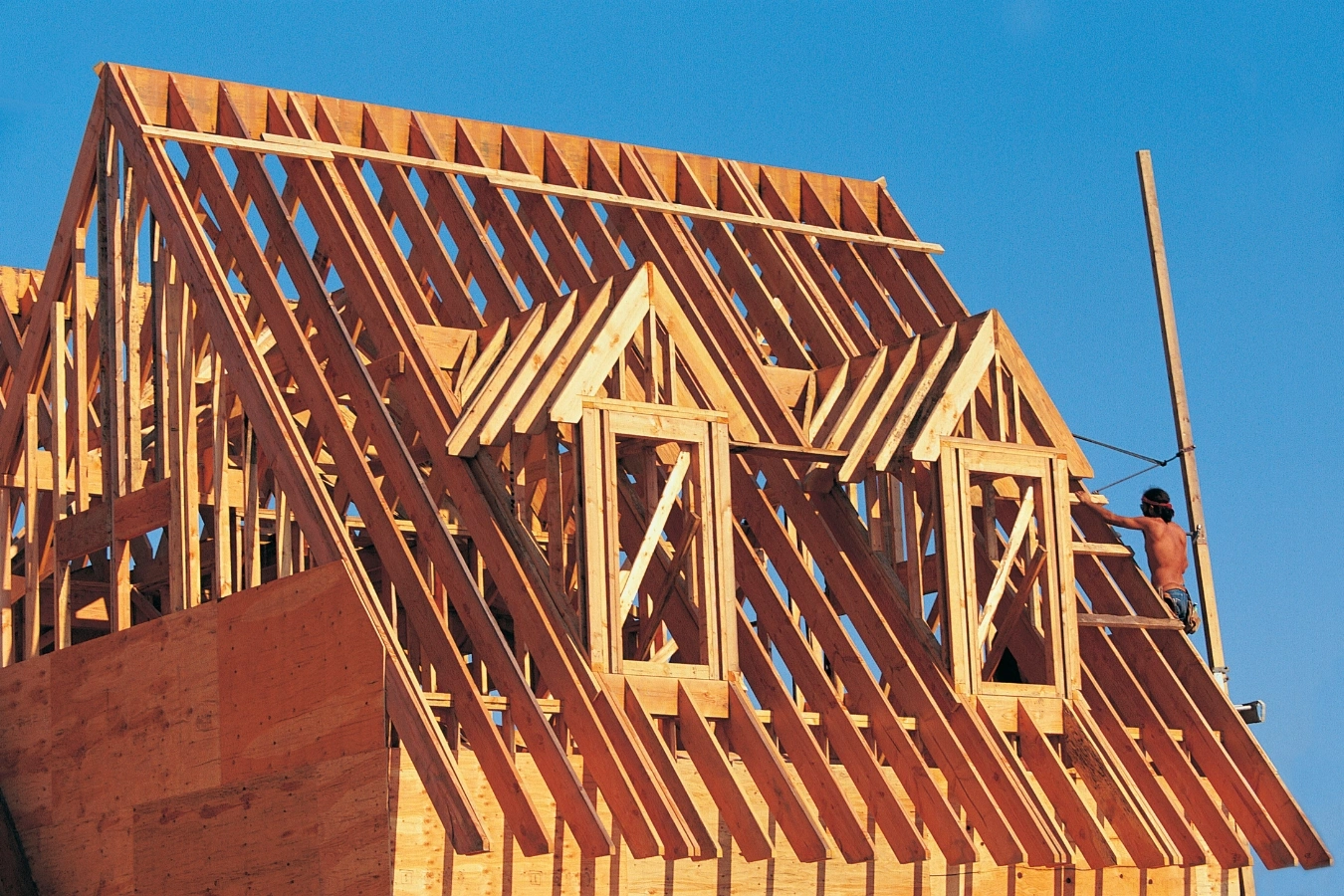
When building a house or other structure, many people focus more on roof tiles, roof design, or construction costs. However, there is one important component that is often overlooked: roof rafters. This material serves as a key part of the roof frame, supporting the weight of the battens, the roofing material, and even additional loads such as ceilings and certain installations.
For roofing projects, choosing the wrong material can cause the frame to warp, crack, be attacked by termites, or even lose strength in a relatively short period of time. Therefore, selecting high-quality rafters isn’t just about price—it’s also a long-term investment in the building’s safety.
So, how do you choose them?
What Is Kaso Lumber and What Is Its Function in a Roof Frame?
Kaso is a timber material in the form of beams, typically used as a supporting structure in roof construction. In traditional framing systems, kaso is installed on top of rafters to support the roof battens, which later serve as the base for installing roof tiles.
In addition to roof framing, this material is also often used for:
- Ceiling framing
- Temporary partitions
- Lightweight formwork
- Support structures in renovation projects
Because it serves as a structural element, the quality of this lumber must be carefully considered.
How to Choose Good Lumber?
Choosing lumber shouldn’t be based solely on price or size. The material should make the roof frame sturdier, more durable, and less prone to damage. So, follow these steps!
1. Choose the Type of Wood That Suits Your Needs
Not all types of wood have the same characteristics. For construction purposes, some commonly used types include:
- Kamper Banjar
Wood types with high density generally have better resistance to loads and weather changes.
Read also: Strong Wood Types for Roof Framing and Window Frame Projects
2. Check the Wood’s Moisture Content
A common mistake is using wood that’s still too wet. Wood with high moisture content tends to shrink after installation, potentially causing dimensional changes and cracks.
Ideally, the material should have undergone a drying process to ensure greater stability during use.
3. Avoid Wood with Many Large Knots
Knots are indeed a natural part of a tree trunk. However, if there are too many of them or they are large, structural strength can be reduced. Choose material with straight, relatively clean grain for optimal durability.
4. Ensure Precise Dimensions
Inconsistent dimensions can complicate the installation process for roof rafters and affect the stability of the roof frame. Before purchasing, double-check the dimensions of the materials being offered. Make sure the dimensions match the project specifications for a neater and more efficient installation.
5. Check the Condition of the Wood’s Surface
Look for signs such as longitudinal cracks, insect holes, mold, or rot at the ends. Even minor damage can develop into a bigger problem once the material begins to bear the load of the structure.
Should Roof Rafters Be Treated with Termite Repellent?
Applying termite treatment to lumber is highly recommended. Termites are one of the leading causes of structural damage to wood in Indonesia. Even wood classified as strong remains at risk of infestation if it does not receive additional protection.
To extend the material’s service life, apply termite and mold treatments before installation. This simple step can extend the structure’s lifespan by many years.
Therefore, selecting lumber for roof framing must be done carefully. Factors ranging from the type of wood, moisture content, fiber quality, to termite resistance will significantly impact the strength and lifespan of the roof structure. With the right materials, a building can be sturdier, safer, and require minimal repair costs down the road.
For those of you planning a new construction or renovation project, be sure to source your lumber from a trusted supplier. Hojaya offers a wide selection of solid wood commonly used for rafters, joists, beams, and planks, such as Borneo Jambi, Meranti Kalimantan, Kamper Samarinda, Bengkirai, and Kruing. Additionally, we provide various construction support materials like plywood and film face panels to meet your building project needs.
Rest assured, the quality of our materials is guaranteed and our inventory is fully stocked, making it easier for you to find the right materials to support strong and durable construction results. So, don’t hesitate to contact us for a consultation. Get wood recommendations tailored to your project’s needs!
FAQ
1. What are the standard sizes for roof rafters?
The most common sizes are 4 x 6 cm and 5 x 7 cm, depending on the design and structural load requirements.
2. What is the difference between wood used for rafters and battens?
Rafters serve as the main supports in a roof frame, while battens are installed on top of the rafters to hold the roof tiles in place.
3. Does the lumber for rafters need to be dry before installation?
Yes. Dried lumber is more stable, less prone to shrinkage, and reduces the risk of cracking after installation.
4. What types of wood are suitable for rafters?
Some commonly used types include camphor, meranti, bengkirai, and Borneo wood, as they offer good strength for construction.
5. How can you identify high-quality rafter lumber?
Look for wood with good grain condition, straight grain, minimal cracks, no holes caused by pests, and precise, consistent dimensions.