

Blog
Common Mistakes in Using Polyfilm Plywood That Can Harm Your Project

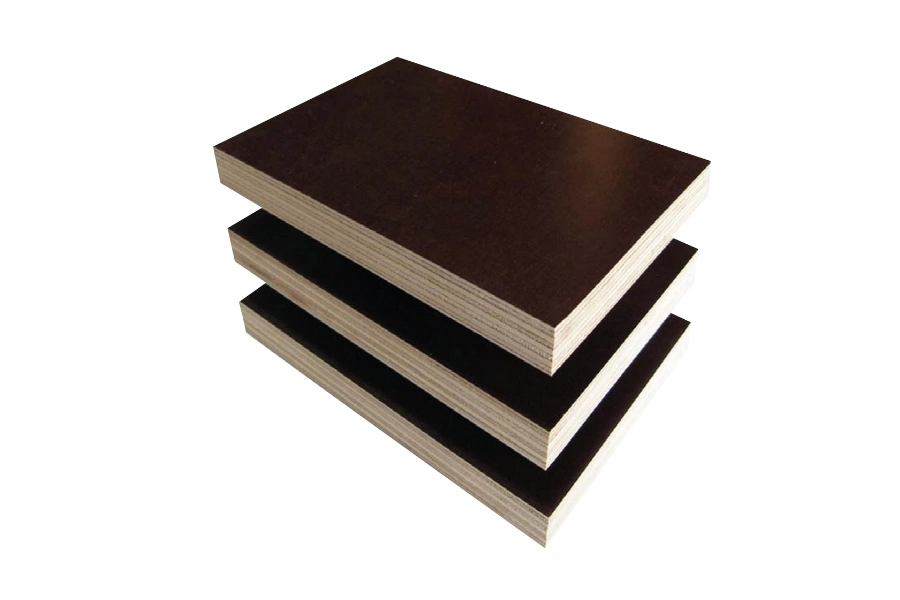
In the construction industry, using the right materials can determine the final quality of a project. One material frequently used in formwork is polyfilm plywood. This material is known for its smooth, water-resistant surface and reusability. Additionally, it is often chosen because it speeds up the work process and reduces the need for additional concrete finishing. Unfortunately, these advantages won’t be fully realized if the material isn’t used correctly from the start.
In practice, there are still many common mistakes in using polyfilm that can lead to increased costs, subpar concrete results, and a shorter lifespan of the material. To ensure your project remains efficient and high-quality, let’s identify and understand these common mistakes!
What Are the Common Mistakes in Using Polyfilm?
Many people still assume polyfilm can be used without specific guidelines, yet even minor mistakes can compromise the final quality of the project. Here are the common errors that occur when using this material. Take note to avoid making the wrong moves!
1. Ignoring Storage Guidelines
Many people assume that since polyfilm is waterproof, it can be stored anywhere. However, improper storage, such as placing it directly on damp ground or exposing it to extreme heat, can damage the film layer. As a result, the surface becomes rough, and the concrete finish turns out uneven. Yet, one of the key advantages of polyfilm is that it produces a neater concrete finish.
2. Neglecting Post-Use Maintenance
Polyfilm can indeed be reused multiple times, typically about 3–4 times if maintained properly. However, common mistakes include:
- Failing to clean it after use
- Allowing concrete residue to dry on the surface
- Failing to apply formwork oil before reuse
Consequently, the service life is shortened, and material costs become higher than necessary.
3. Choosing the Wrong Material Thickness
A common mistake is selecting a material thickness that does not match the project’s requirements. Polyfilm thicknesses range from 9 mm to 18 mm, and each serves a different purpose. Problems arise when large-scale projects use material that is too thin, or when the casting load is high but the material used is inadequate.
As a result, the formwork surface may sag, the structure becomes less stable, and the risk of failure during the casting process increases. Therefore, choose the correct thickness, as it affects both safety and the quality of the final result.
4. Improper Formwork Installation
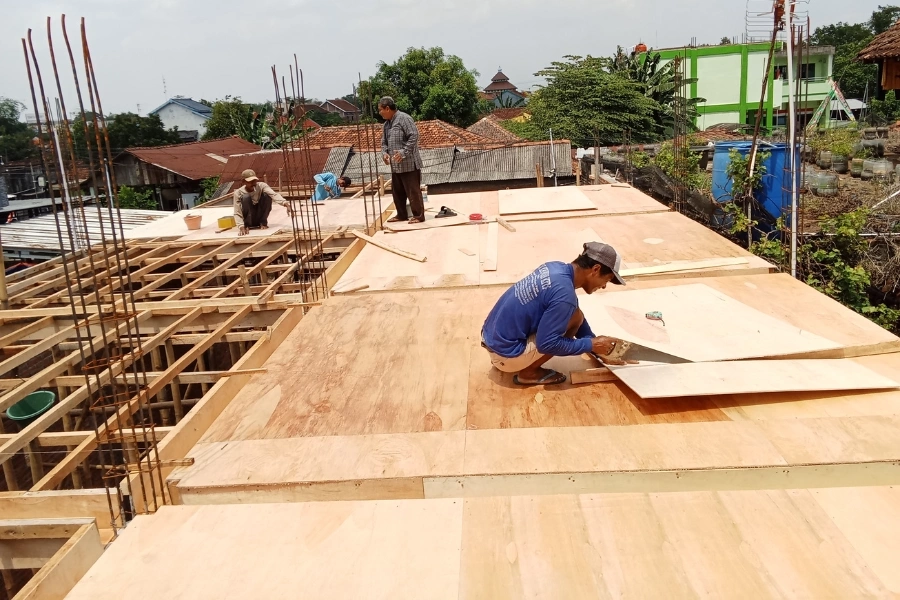
Even with high-quality materials, the results will still be disappointing if the installation is not done properly. Examples of errors in installing plywood and polyfilm for formwork include:
- Loose joints
- Insufficiently strong support frames
- Lack of attention to alignment
After all, formwork serves as a mold for concrete and must be strong enough to support the load until the concrete hardens.
5. Using Polyfilm in Unsuitable Conditions
Polyfilm is indeed waterproof, but that doesn’t mean it’s suitable for all extreme conditions. For example:
- Used in high-pressure areas without additional support
- Used outdoors without additional protection
If not used according to specifications, its performance may decline and its service life will be shorter.
Can Polyfilm Be Reused?
Polyfilm can be reused several times without significantly compromising the quality of the concrete pour, provided it is properly maintained. In fact, this is what makes it more economical than standard uncoated plywood. However, if maintenance is neglected, repeated use can result in an uneven concrete surface.
Why Can Misuse of Polyfilm Harm a Project?
Minor errors in using polyfilm plywood can have major consequences, such as:
- Inflated material costs
- Longer construction time
- Suboptimal concrete finish
- Risk of rework
In construction projects, efficiency isn’t just about low cost, but also about the proper use of materials.
FAQ
1. What is the difference between polyfilm and regular plywood?
The main difference lies in the protective layer. Polyfilm has a special coating that makes it more water-resistant, less prone to damage, and capable of producing a smoother concrete finish. Meanwhile, regular plywood tends to absorb water more quickly and is more susceptible to damage.
2. Is polyfilm suitable for all projects?
Generally, polyfilm is quite flexible and can be used for various types of construction projects. However, its selection must still be tailored to specific needs, particularly regarding casting loads, project scale, and working conditions to ensure optimal results.
3. Why can the cast finish be rough even when using polyfilm?
A rough cast finish is usually caused by several factors, such as a damaged or dirty polyfilm surface, repeated use without maintenance, or sloppy formwork installation. So, it’s not just the material, but also how it’s used that significantly affects the final result.
So, using polyfilm plywood isn’t just a matter of installing it and then using it. Everything from storage and selecting the right thickness to post-use maintenance plays a crucial role in maintaining project quality. Small mistakes that are often overlooked can actually have major consequences, ranging from uneven concrete finishes to wasted costs due to materials deteriorating quickly. When used correctly, polyfilm serves as an efficient, durable formwork solution capable of producing a smoother concrete surface. This means not only does project quality improve, but on-site productivity can also be optimized.
Therefore, if you want neat, strong formwork results that are more cost-effective in the long run, make sure to choose polyfilm of the highest quality. Well, Hojaya provides the solution for your needs!
We don’t just provide solid wood, we also offer polyfilm, plywood, and other formwork materials that have been tested for durability and quality, are water-resistant, and support smoother concrete finishes. Perfect for those who want to work faster without compromising on quality. Instead of experimenting and taking risks mid-project, it’s better to use materials with proven quality.
Come on, contact us and discuss your project needs. Find the best plywood solutions for maximum construction results!