
Blog
What Is Polyfilm Plywood? Learn About Its Functions and Advantages for Formwork

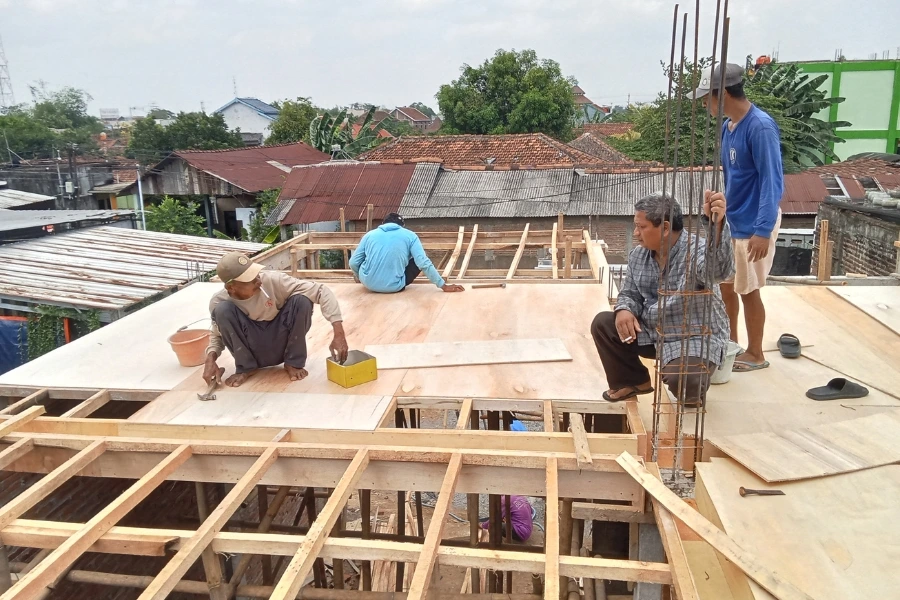
In the construction industry, material selection isn’t just about cost, it’s also about efficiency, the quality of the final result, and durability. There’s one material that’s frequently used, yet many people still don’t fully understand it: polyfilm plywood. In fact, this material plays a crucial role, especially in formwork applications.
Many projects end up with subpar finishing results simply because of the wrong choice of concrete formwork material. This is where understanding the characteristics of materials like polyfilm plywood becomes essential to ensure a neater, stronger cast, and minimal need for repairs.
So, to ensure you don’t choose the wrong material, let’s explore the functions and advantages of this particular plywood!
What Is Polyfilm Plywood?
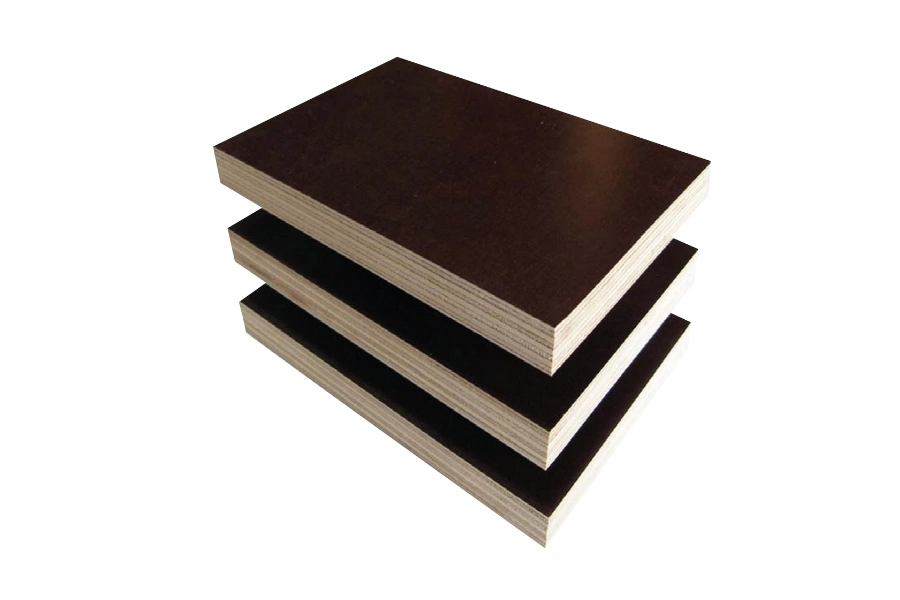
Polyfilm plywood is a type of plywood (laminated wood) coated with a layer of resin or special plastic film on its surface. This coating makes the plywood surface smoother, water-resistant, and less prone to absorbing concrete liquid.
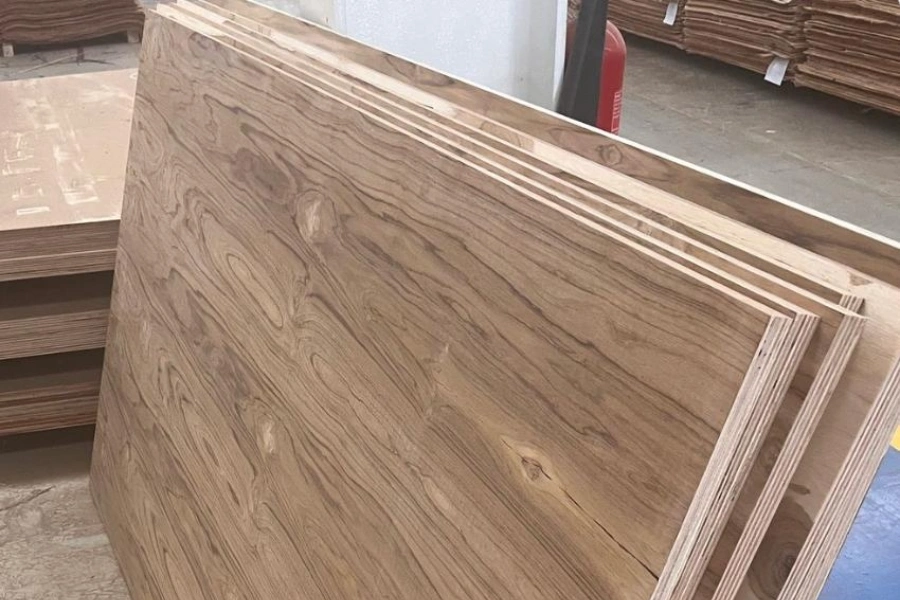
Structurally, plywood itself consists of several layers of wood veneer cross-glued together, making it stronger and more stable than regular wood. When plywood is coated with polyfilm, the result is a material far more optimal for construction needs, especially as formwork.
The Role of Polyfilm in Formwork
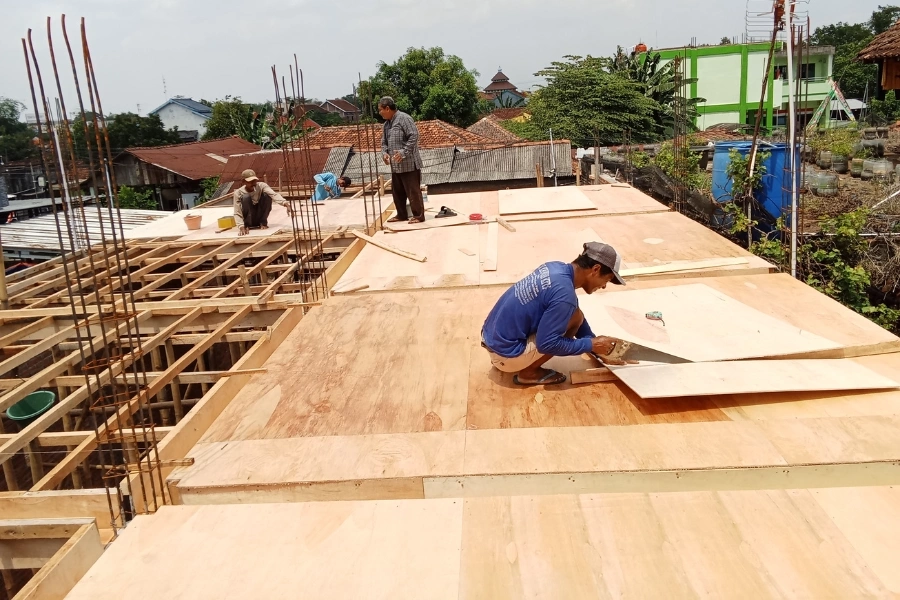
In the concrete pouring process, formwork serves as a temporary mold to hold the concrete in place until it hardens and forms the desired structure. This is where polyfilm plays a crucial role. It serves several functions, namely:
- Ensuring the concrete takes the intended shape
- Producing a smooth and neat concrete surface
- Facilitating the formwork removal process
- Reducing the risk of concrete adhering to the surface
In other words, using polyfilm helps improve concrete finish quality while enhancing on-site work efficiency.
Key Advantages of Polyfilm You Should Know
Compared to regular plywood, polyfilm plywood offers several advantages that make it superior for construction projects. What are they?
1. Smoother Surface
The film layer on the surface ensures the poured concrete is flatter and has fewer defects.
2. Water and Moisture Resistant
The polyfilm layer prevents water from seeping into the wood, making the material more durable and less prone to damage.
3. Reusable
Polyfilm plywood can be used multiple times in a project, making it more cost-effective in the long run.
4. Easy to Clean
Concrete residue doesn’t stick easily, so the cleaning process is much faster.
5. More Efficient for Large-Scale Projects
Because it’s durable and reusable, this material is ideal for large construction projects that require high efficiency.
Types of Polyfilm Based on Needs
In the market, polyfilm plywood comes in several variations, including:
- Single-face, with only one side coated with film
- Double-face, with both sides coated with film for maximum durability
Both types are available in various thicknesses ranging from 9 mm to 18 mm, tailored to project needs. The choice of type typically depends on the intensity of use and the type of structure being built.
What Is the Difference Between Regular Plywood and Polyfilm Plywood?
The main difference lies in the surface coating. Regular plywood has no coating, so it easily absorbs water, becomes damp quickly, and is more prone to damage when used for concrete pouring.
Meanwhile, polyfilm is coated with a special film that makes its surface smoother, water-resistant, and less prone to concrete adhesion. As a result, the formwork lasts longer, can be reused multiple times, and produces a neater concrete finish.
Tips for Choosing High-Quality Polyfilm
To ensure optimal project results, consider the following when selecting polyfilm!
- Choose the appropriate thickness based on structural needs
- Ensure the film surface is not damaged or peeling
- Check the core layer’s strength (does not easily warp)
- Choose a trusted supplier to ensure quality
Thus, polyfilm plywood is not merely an auxiliary material but can serve as a solution for neater, more efficient, and longer-lasting formwork. Its smooth surface, water-resistant properties, and reusability make this material a staple in many construction projects, from small-scale to large-scale.
Well, if you’re looking for high quality polyfilm plywood, Hojaya is the right solution. We offer a variety of materials, including polyfilm, plywood, and other formwork essentials, all guaranteed for quality and ready for fast delivery to your project site. We ensure the materials meet consistent quality standards, making them safer and more efficient for on-site use.
In short, don’t just pick any material, because your initial decision will greatly determine the final result. Choose the right one so your work goes more smoothly and your construction results are maximized!