

Blog
Factors Affecting the Durability of Polyfilm Plywood

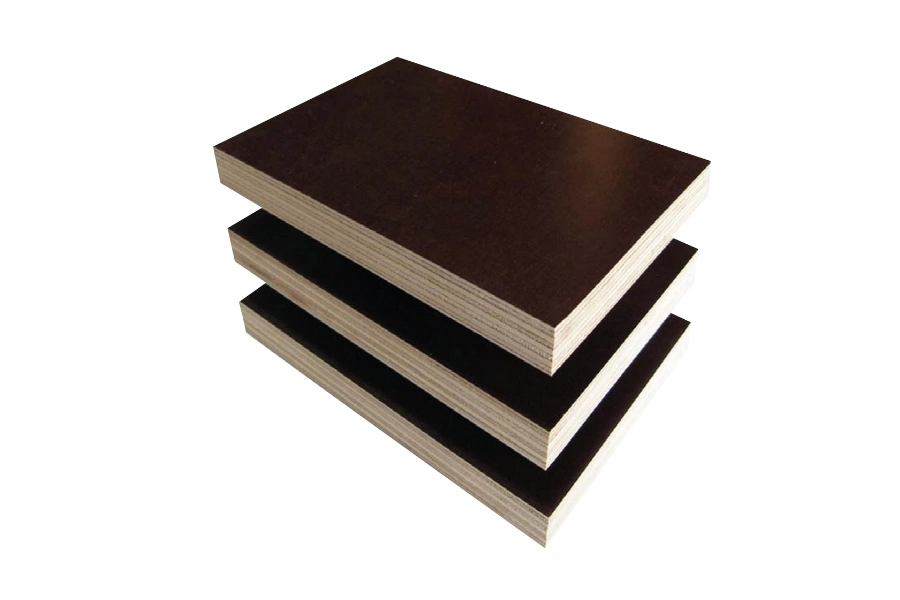
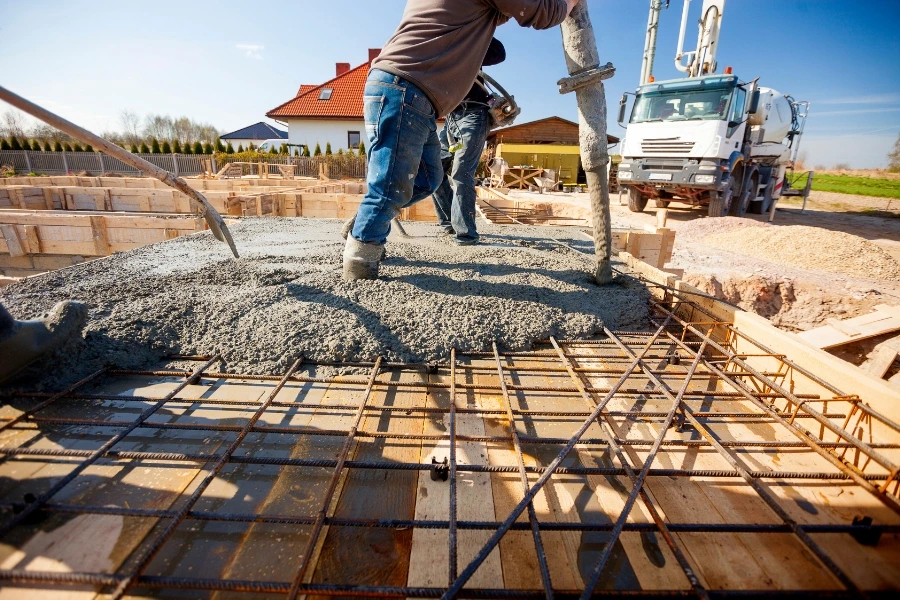
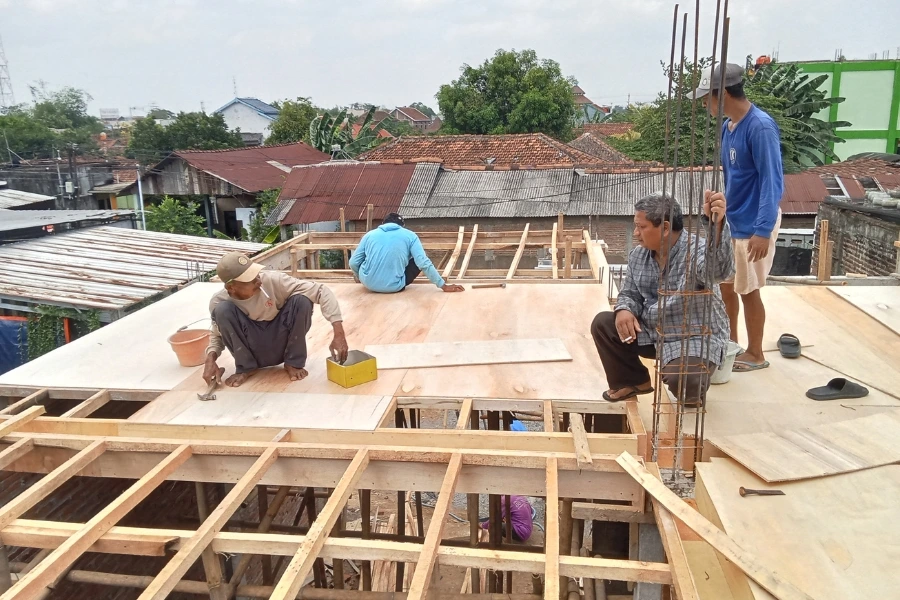
In construction projects, formwork is one of the key elements that determine the quality of the concrete pour. One of the most commonly used materials is polyfilm plywood because it has a smooth surface, is moisture-resistant, and produces a neater concrete finish compared to regular plywood.
However, not all users experience the same service life. Some can use it multiple times, while others find it becomes damaged after just a few uses. This is not solely influenced by product quality but also by usage methods, storage, and the conditions of the project itself. Let’s find out the factors that most significantly affect the durability of polyfilm material!
What Factors Affect the Durability of Polyfilm Formwork?
The durability of polyfilm is determined not only by the quality of the material but also by various factors during on-site use. These range from specifications and the quality of the film coating to formwork installation techniques and storage methods. Here’s an explanation!
1. Quality of the Plywood Core
The first and most critical factor is the quality of the plywood used as the core material. Plywood made from high-quality wood typically has a denser structure, making it less prone to warping or cracking when subjected to concrete pressure. Conversely, low-density plywood tends to absorb water more quickly once the protective layer begins to deteriorate. As a result, its service life is significantly shorter.
In addition to the type of wood, the number of veneer layers and the quality of the adhesive also affect the board’s strength in withstanding loads during the concrete pouring process.
2. Thickness of the Film Layer
The film layer serves to protect the plywood’s surface from water, cement, and chemicals present in the concrete mix. The higher the quality of the film layer, the less likely water is to seep into the wood core. Additionally, a strong film layer makes the surface more resistant to abrasion during formwork removal.
For this reason, choosing polyfilm plywood with a high-quality film coating is a more profitable investment for long-term projects.
3. Frequency of Use
Formwork materials are indeed designed to be reused multiple times. However, with each use, their performance gradually declines. The causes are:
- The surface becomes scratched.
- The edges of the boards begin to peel.
- There are more and more nail holes.
- The film coating begins to wear thin.
The more frequently the boards are used without maintenance, the faster their quality deteriorates.
4. Formwork Dismantling Procedures
Much of the damage actually occurs during the dismantling process. Excessive use of a crowbar, hammering too hard, or forcibly pulling the boards can damage the film coating and even cause cracks in the inner layers of the plywood. Therefore, proper dismantling techniques will extend the material’s service life, ensuring it remains suitable for use in future projects.
See also: Mistakes in Using Polyfilm Plywood That Can Harm Your Project
5. Project Environmental Conditions
The work environment also significantly affects the material’s durability. For example:
- Constant exposure to rain.
- Prolonged exposure to direct sunlight.
- Extremely high temperatures.
- Extreme humidity.
These conditions accelerate the expansion and contraction of the wood, which ultimately causes the boards to warp easily.
6. Use of Release Agent
Release agents are often overlooked, yet they play a major role in maintaining the condition of formwork surfaces. This special lubricant prevents concrete from adhering strongly to the boards, making the removal process easier. Other benefits include:
- Reducing damage to the film coating.
- Extending the service life of the boards.
- Producing a smoother concrete surface.
- Speeding up the cleanup process after use.
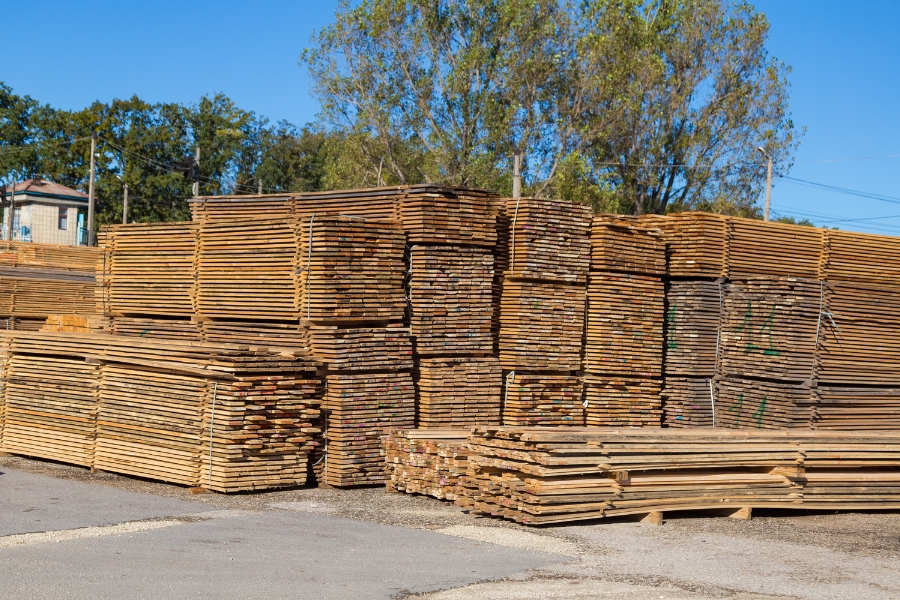
7. Storage After Use
Once a project is finished, many formboards are immediately stacked in open areas without being cleaned. However, hardened cement residue can damage the surface coating if left for too long.
What is the ideal storage method?
- Clean off any remaining concrete after use.
- Store in a dry place.
- Place the boards on a level surface.
- Cover the top to protect them from rain and sunlight.
These simple care steps ensure that polyfilm plywood remains usable for several project cycles.
Tips for Making Polyfilm Plywood Last Longer
To extend its service life, there are steps you can take when using polyfilm. What are they?
- Use a release agent before pouring concrete.
- Avoid hitting the boards excessively during dismantling.
- Clean off any remaining cement immediately after use.
- Store in a dry, sheltered place.
- Avoid continuous exposure to rain or sunlight.
- Use boards of a size and thickness appropriate for your project’s needs.
Therefore, the durability of polyfilm plywood depends not only on the material’s specifications but also on how it is used and maintained throughout the project cycle—from the quality of the base material and the thickness of the film layer to the techniques used for installing and dismantling the formwork, as well as how it is stored after use. With proper use, you can extend the material’s service life, save on material procurement costs, and ensure that the cast results remain neat and of high quality.
To maximize results, it’s crucial to choose materials made with the highest quality. Hojaya offers polyfilm plywood suitable for formwork needs across various construction projects. Its surface is smooth, strong, and designed to deliver superior concrete finishes while withstanding repeated use.
What are you waiting for? Check out our product collection and consult with our team about your needs.
FAQ
1. What factors most affect the durability of polyfilm plywood?
The quality of the plywood, the film coating, how it is used, how it is dismantled, and how it is stored are the main factors that determine its service life.
2. How many times can polyfilm be reused?
The number of uses depends on the quality of the material and how it is maintained. With proper use, this material can be reused multiple times before its quality deteriorates.
3. Is polyfilm water-resistant?
Yes. The film coating on its surface helps reduce water absorption, making it more resistant to moisture than regular plywood.
4. How do you maintain polyfilm to make it last longer?
Clean off any concrete residue after use, apply a release agent, store it in a dry place, and avoid excessive impact during dismantling.
5. Why choose Hojaya Polyfilm for construction projects?
We offer high-quality polyfilm plywood suitable for formwork needs, producing a smoother concrete surface, and providing good durability for repeated use when handled according to proper procedures.