

Blog
Many People Don’t Know This: The True Function of Polyfilm Plywood in Construction

In the construction industry, there are many materials that often go unnoticed but play a major role in determining a project’s final outcome. One of these is polyfilm plywood. Although it’s frequently used in various building projects, it turns out that many people still don’t fully understand the true function of this material.
At first glance, polyfilm might look like ordinary plywood. But behind its simple appearance lies technology and advantages that make it the top choice for contractors, especially for concrete work. What exactly are they? Well, so you don’t get it wrong again, let’s dive deeper into the actual function of this material and why its role is so important in construction!
What Is Polyfilm? Why Is It Different from Regular Plywood?
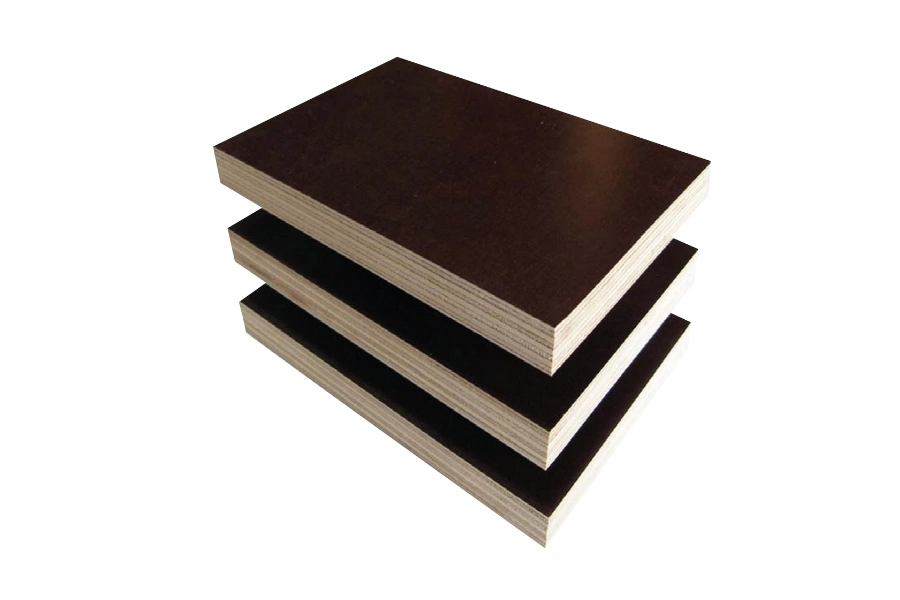
Simply put, polyfilm is a type of plywood coated with a special resin or film on its surface. This coating gives the surface a smooth, plastic-like appearance and provides extra resistance to water and pressure. Unlike regular plywood, this type is specifically designed for heavy-duty construction needs. The film coating also acts as a protective layer, ensuring the panels remain durable even when exposed to water, cement, or extreme weather conditions.
The Role of Polyfilm in Construction
In construction projects, polyfilm is more than just an accessory. This material serves several important functions that enhance the quality of concrete pours and improve on-site efficiency. Here’s an explanation!
1. As Formwork (Concrete Molds)
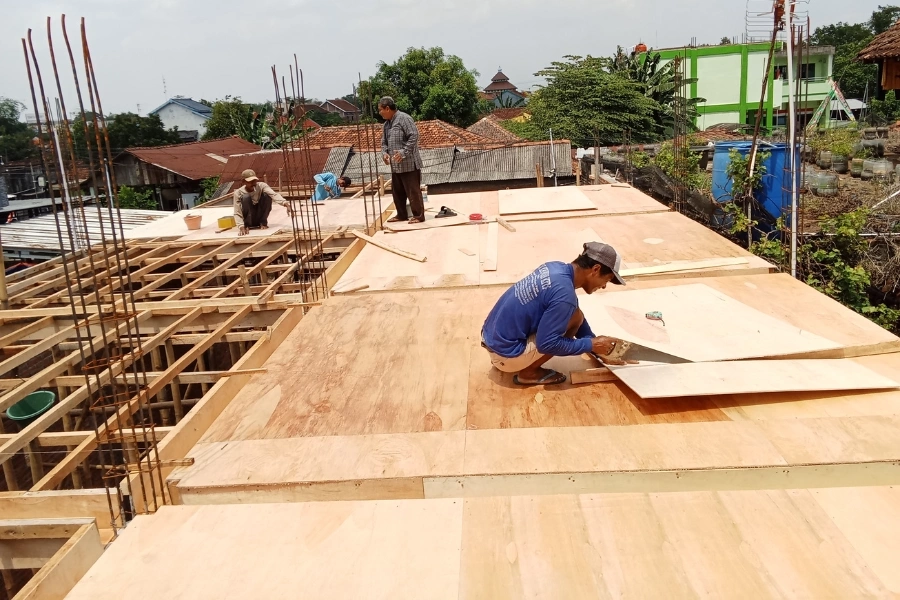
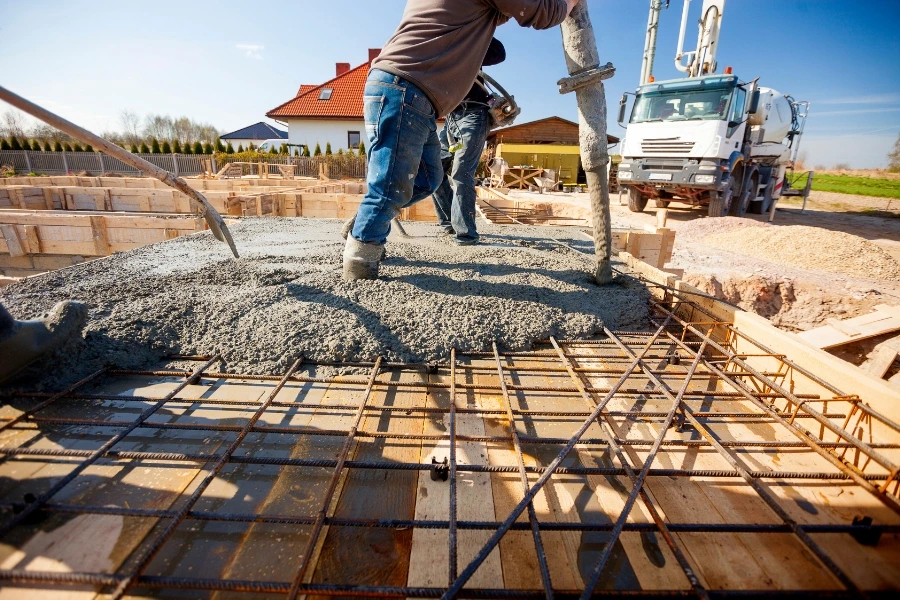
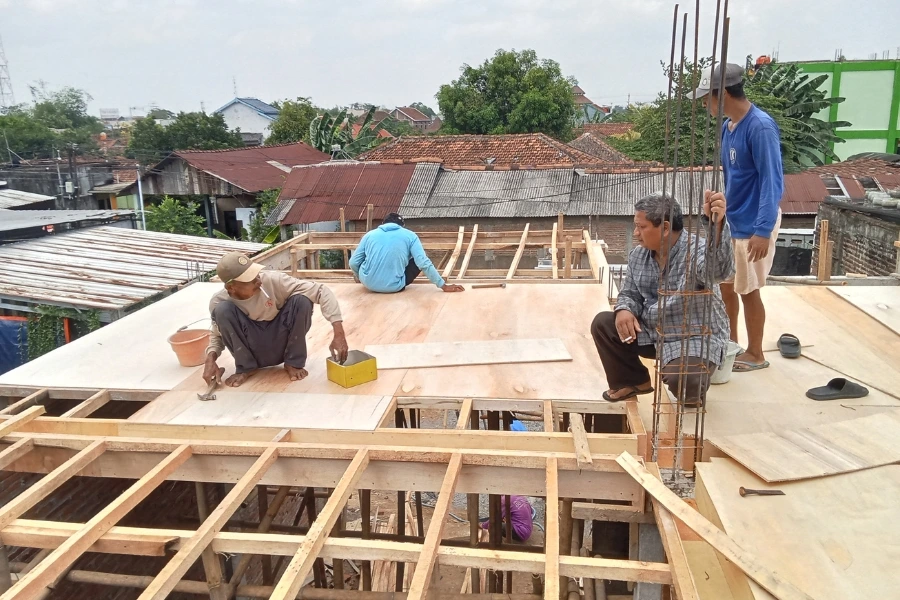
The primary function of polyfilm is as a temporary mold during the concrete pouring process, whether for columns, beams, or floor slabs. With a film layer on its surface, the concrete does not easily stick, making the formwork removal process easier and ensuring the finished surface remains neat.
2. Helps Produce a Smoother Concrete Surface
Polyfilm serves to improve the quality of concrete finishing. Its smooth surface helps produce a smoother concrete texture with minimal pores, which in some cases can reduce the need for additional plastering.
3. Supporting Project Cost Efficiency
Since it can be reused multiple times, plywood with polyfilm serves as a more economical material solution compared to standard plywood. Under proper usage conditions, this material can be used for several concrete pours.
4. Protects Against Water and Moisture
The film layer on the polyfilm acts as a barrier against water and moisture. This keeps it stable and durable, making it suitable for various project conditions, including damp areas or outdoor settings.
5. Speeding Up the Work Process
Polyfilm also helps improve work efficiency on-site. Since it doesn’t stick easily and is relatively easy to clean, the process of assembling and disassembling formwork becomes faster, thereby shortening the project timeline.
Common Mistakes When Using Polyfilm
To ensure optimal casting results, the use of polyfilm plywood must also be handled properly. Unfortunately, many mistakes still frequently occur on-site, such as:
- Using low-quality polyfilm for large-scale projects
- Failing to clean the surface after use
- Using too much material for reuse cycles without checking its condition
- Choosing an incorrect thickness that does not meet project requirements
What are the consequences? The concrete surface may appear less smooth, rougher, and increase the risk of damage to the formwork. Therefore, it is important to select the right material and ensure it is used according to standards to maintain construction quality.
Now you know that polyfilm plywood isn’t just an ordinary board, but a crucial material that plays a significant role in the quality of construction results. From shaping concrete, enhancing the finish, to saving project costs. So, if you’re planning a project and need this polyfilm, it’s important to choose a material with guaranteed quality.
Where can you find high-quality polyfilm? Hojaya is the place!
We offer polyfilm in thicknesses ranging from 9 mm to 18 mm. It’s perfect for concrete pouring and formwork, and can be reused 3 to 4 times.
Beyond that, we also provide a variety of other wood materials, such as plywood and solid wood, suitable for projects ranging from small to large scale. It’s more practical, the quality is guaranteed, and it’s ready to support optimal project results.
Comprehensive, isn’t it? Let’s contact us and discuss your project needs.
FAQ
1. Is polyfilm the same as regular plywood?
No, it’s not. Polyfilm has a special film layer on its surface, making it more water-resistant, stronger, and more durable than regular plywood.
2. How many times can polyfilm be reused?
It depends on the quality and how it’s used. Generally, polyfilm plywood can be reused several times—up to a dozen times—if properly maintained.
3. Is polyfilm water-resistant?
Yes. The resin or film layer on its surface makes this material more resistant to water and moisture.
4. What is the primary use of polyfilm?
Its primary function is as formwork or a mold for concrete in various construction projects, such as columns, beams, and floor slabs.
5. Why does the concrete finish come out smoother?
Because the smooth surface of the film prevents the concrete from sticking easily, resulting in a neater finish with minimal pores.