

Blog
7 Ways to Use Polyfilm Plywood to Make It Last Longer for Formwork

In the construction industry, cost efficiency isn’t just determined by the price of materials, but also by how long those materials can be used. One material often chosen for formwork is polyfilm plywood because it has a smooth surface, is moisture-resistant, and produces a smoother concrete finish.
Unfortunately, many users still assume this material can only be used once or twice. In reality, with proper use and maintenance, its lifespan can be significantly longer.
So, how do you use polyfilm to ensure it lasts? Let’s take a look!
What Is Polyfilm Plywood?
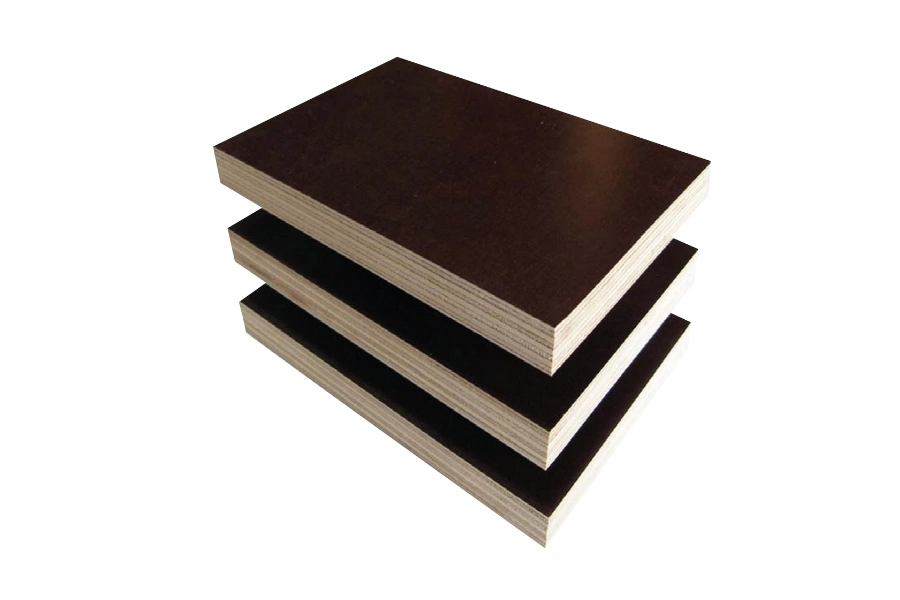
Polyfilm is plywood coated with a transparent film made of resin or a special plastic on one side. This layer protects against water and cement mortar and makes it easier to remove the formwork after the concrete has hardened. It’s widely used in residential projects, high-rise buildings, and infrastructure because it produces neater cast results and can be reused multiple times with proper maintenance.
How to Use Polyfilm for Longer Durability
To ensure polyfilm can be reused multiple times while maintaining optimal results, installation and maintenance must be done properly. Here are some tips you can follow!
1. Use the Polyfilm Side as the Casting Surface
Make sure the side with the film coating faces the concrete mix. This coating is designed to reduce the adhesion of the cement, making it easier to remove the formwork. If installed upside down, the wood surface will absorb the cement slurry more quickly and risk damage.
2. Apply a Release Agent Before Pouring
Many professional contractors use a release agent or formwork oil before pouring. The benefits include:
- Reducing the adhesion of concrete to the surface of the polyfilm plywood.
- Facilitating the formwork removal process.
- Keeping the film layer intact.
- Reducing the risk of the film peeling off during formwork removal.
However, use the release agent sparingly to avoid leaving stains on the finished concrete.
3. Avoid Rough Cuts
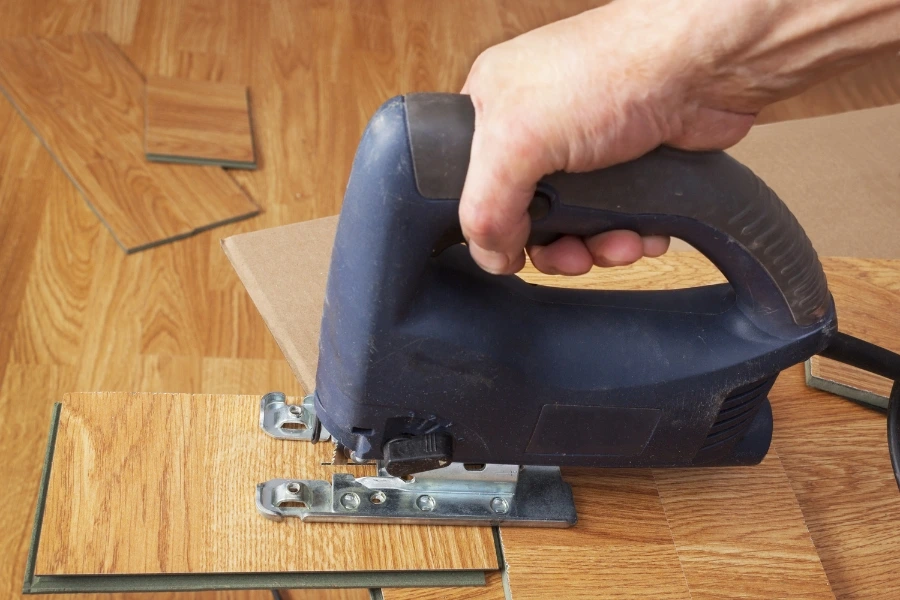
The edges are the areas most prone to absorbing water. Therefore, use a sharp saw blade and cut with precision. If possible, recoat the edges with protective paint or sealant to prevent water from easily penetrating the plywood. This helps slow down moisture-related damage.
4. Remove Formwork Using the Correct Technique
The most common mistake is removing formwork by hitting it excessively with a hammer or prying the boards off by force. What are the consequences?
- The polyfilm layer peels off.
- The surface of the boards cracks.
- The plywood structure deteriorates more quickly.
It is best to remove the formwork gradually after the concrete has reached sufficient strength, in accordance with project procedures.
5. Clean Immediately After Use
Do not let cement residue dry for too long. After removal:
- Clean off concrete residue using a plastic or wooden scraper.
- Wipe the surface with a damp cloth.
- Avoid using sharp metal tools that could scratch the film coating.
A smooth surface will ensure the panels are ready for use in the next project.
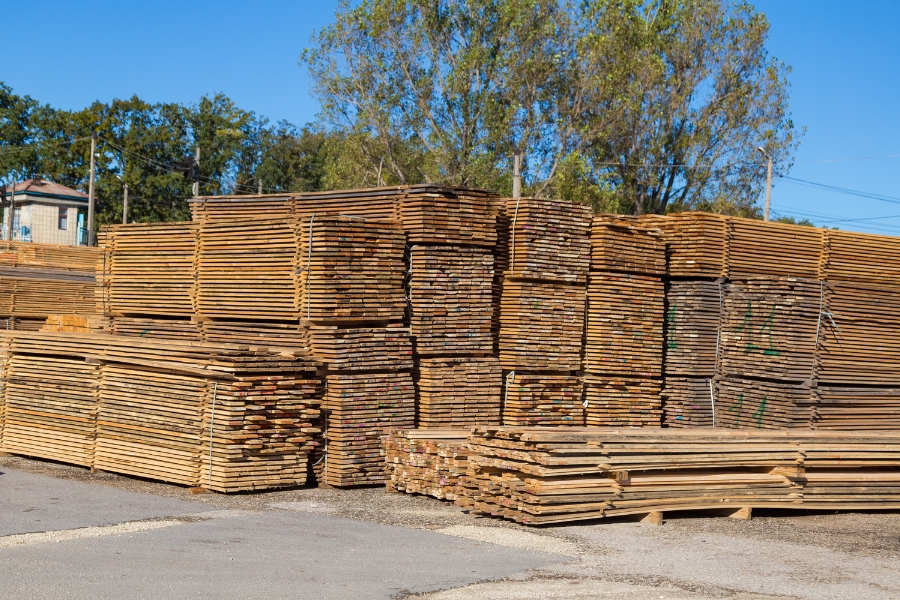
6. Store in a Dry, Level Place
Storage methods significantly affect the service life of polyfilm plywood. Here are some storage tips:
- Store in a covered area.
- Avoid direct contact with the ground.
- Use a pallet or wooden blocks as a base.
- Stack the panels evenly to prevent warping.
- If storing for an extended period, cover them with a tarp.
Although it is water-resistant, poor storage can still accelerate deterioration.
See also: Tips for Storing Plywood to Prevent Damage Before Use
7. Avoid Excessive Loads
Formwork must be supported by a sturdy frame. Do not allow the boards to bear loads beyond their capacity, as this can cause deflection or even cracking. Ensure that the spacing between supports is appropriate for the thickness of the boards and the volume of concrete being poured.
So, to make polyfilm plywood last longer, you need to pay attention not only to the quality of the material but also to how it’s installed, dismantled, cleaned, and stored after use. With proper care, you can reuse this material multiple times, making formwork more efficient and ensuring neat concrete finishes.
Come get high-quality polyfilm for your formwork and concrete pouring needs at Hojaya! We offer polyfilm in thicknesses ranging from 9 mm to 18 mm. It features a water-resistant surface, is easy to clean, produces a smoother concrete finish, and can be reused 3 to 4 times.
Don’t worry, we can ship within 1–2 days with free shipping for purchases of at least 5 million. So, contact us today and discuss your lumber needs for your construction project!
FAQ
1. What is the purpose of the polyfilm coating on plywood?
The polyfilm coating protects the board’s surface from water and cement mortar, and makes it easier to remove the formwork after pouring concrete.
2. How many times can the polyfilm be reused?
Generally, it can be used about 3–4 times for formwork projects, depending on the quality of the material as well as how it is used and maintained.
3. Is polyfilm waterproof?
Yes. Its surface has a water-resistant coating, making it more suitable for concrete pouring.
4. Why does the concrete stick to the surface of the polyfilm?
This usually happens because a release agent wasn’t used, the surface is damaged, or the film layer is starting to peel off.
5. How should polyfilm be stored to prevent it from deteriorating quickly?
Store it in a dry place, use a pallet or wooden blocks as a base, stack it evenly, and avoid exposure to rain or direct sunlight.