


Blog
Don’t Make the Wrong Choice! Here Are the Serious Consequences of Using Cheap Plywood

With so many building materials to choose from, plywood is often a go-to choice because it’s practical and versatile. However, people often make purchasing decisions based solely on price. Without realizing it, many are tempted by cheap plywood because it seems more cost-effective at first.
In reality, behind that tempting price lies a significant risk that can affect the quality of the final result and even lead to higher long-term costs. From being prone to damage, questionable strength, to a less-than-optimal appearance—all of these can be the consequences of choosing the wrong material. So, to make things clearer, let’s take a look at the full explanation below!
Why Can Cheap Plywood Be a Problem? What Are the Consequences?
Plywood is made from layers of wood veneer arranged crosswise and bonded with special adhesive. Its quality depends heavily on the raw materials, production process, and type of adhesive used. With cheap plywood, there are usually compromises in several key areas, such as:
1. Prone to Swelling and Damage
The most common issue is low water resistance. Low-quality plywood tends to absorb moisture quickly, causing it to swell and peel. If you use it in the kitchen, bathroom, or damp areas, it risks deteriorating faster than you might expect.
2. Unstable Structural Strength
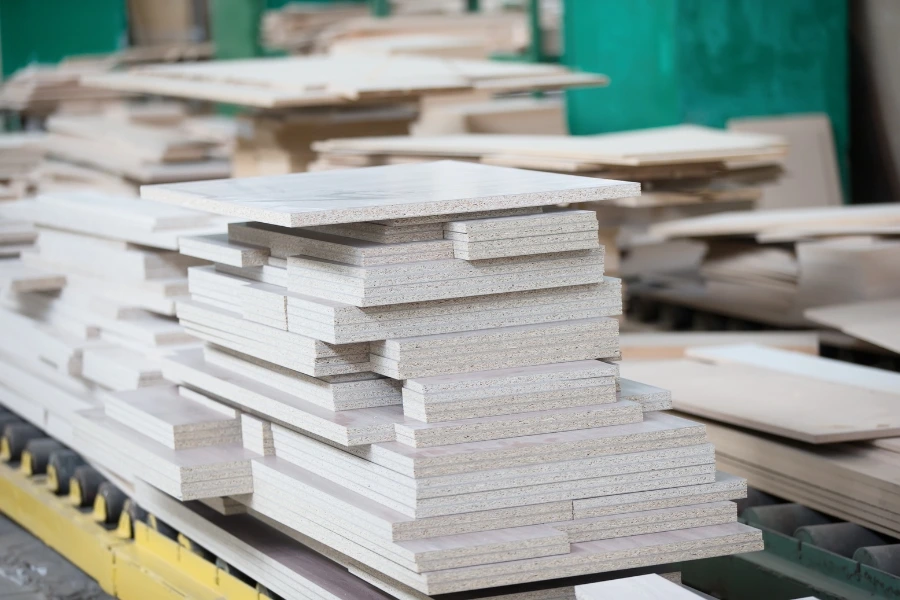
High-quality plywood should be strong due to its cross-laminated structure. However, in low-cost plywood, voids, cracks, or uneven veneer layers are often found. What are the consequences?
- It breaks easily when bearing a load
- It is unsuitable for heavy furniture
- It poses a risk in construction
3. Shorter Lifespan
Instead of saving money, you may end up spending twice as much. Cheap plywood usually has a shorter lifespan because it quickly cracks, warps, or delaminates (layers peel off)
4. Subpar Finish
The surface of low-quality plywood is often uneven, has many defects, and requires extra finishing. This increases finishing costs and results in a less aesthetically pleasing final product. In fact, good plywood should have a smooth surface and be ready for finishing.
5. Health Risks from Low-Quality Adhesives
This is often overlooked. To keep costs down, some plywood manufacturers use adhesives with high formaldehyde content. This can negatively impact indoor air quality.
Read also: How to Visually Check Plywood Quality Before Buying
Why Does Cheap Plywood Break Down So Quickly?
Well, cheap plywood tends to break down quickly, usually due to the quality of the materials and the production process. However, there are several other causes, namely:
- Exposure to water or high humidity
- Use of weak or low-quality adhesive
- The presence of air pockets within the plywood layers
- Thickness not up to standard
Therefore, it’s important not to choose carelessly, especially if you’re only tempted by the low price at first.
Tips to Avoid Choosing the Wrong Plywood
To avoid getting stuck buying cheap plywood that ends up being a loss, there are several important things you need to pay attention to. What are they?
- Check the surface; make sure it’s flat, smooth, and has minimal defects
- Inspect the interior to ensure there are no voids in the layers
- Choose the appropriate thickness and tailor it to your project’s needs
- Ask about the wood species and grade to determine quality and durability
- Purchase from a trusted distributor to ensure quality and compliance with standards
By following the points above, you can make a safer choice when selecting plywood. So, it’s not just about saving money upfront, but also ensuring longevity in the long run.
Read also: How to Choose a Distributor of Premium-Quality Plywood at Affordable Prices
The bottom line is, don’t be immediately tempted by low prices. Cheap plywood may seem like a cost-saving measure at first, but it can lead to major problems down the road, ranging from rapid deterioration to costly renovations.
For top-quality plywood that’s safer, stronger, and more durable, you can find it at Hojaya. We offer a wide selection of plywood, including marine-grade, HMR, MDF, albasiah palm, blockboard, and many more. Suitable for interior design, furniture, and even large-scale construction projects. So, you’re not just buying materials—you’re making a long-term investment in your project.
FAQ
1. How can you tell if plywood is high-quality?
Good-quality plywood usually has a smooth surface, tightly layered sheets without gaps, and doesn’t warp easily.
2. What should you look for when buying plywood?
Pay attention to thickness, wood type, adhesive quality, and make sure to buy from a trusted supplier to ensure a durable product.
3. What is the difference between cheap plywood and high-quality plywood?
The differences lie in the core material, adhesive quality, layer density, and long-term durability.
4. Can cheap plywood still be used?
It can still be used, but it’s best reserved for temporary needs or non-structural applications to avoid future risks.