

Blog
Types of Construction Wood and Their Functions in Various Building Projects

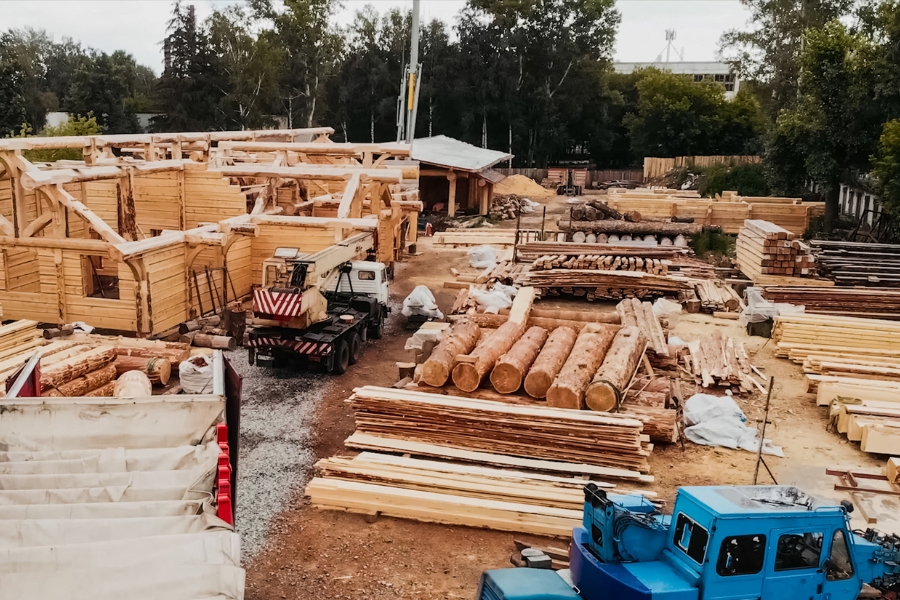
Wood remains one of the mainstay materials in the world of construction, even though building technology continues to evolve. From simple residential houses to modern commercial buildings, wood is still chosen for its strength, flexibility, and unique aesthetic value. Examples of construction wood include merbau, ironwood, bengkirai, and others. But did you know that not all types of wood have the same function in building projects?
Understanding the types of wood and their functions is very important so that you don’t make the wrong choice for your construction project. Each type has different characteristics, ranging from strength, weather resistance, to ease of workmanship. For that reason, let’s learn about the various types of wood that are commonly used, as well as their roles in various building projects!
Types of Construction Wood and Their Functions
In the world of construction, wood is not only used as a complement but also as a main structural element. So, what are the types of wood and how do they function in various building projects?
1. Softwood
This type of wood comes from coniferous trees such as pine, fir, and spruce. They are generally lighter, grow faster, and are easier to cut, making them a favorite for roof trusses, light beams, and rafters. For example:
- Pine is often used for trusses, ceilings, or roof beams because of its relatively good strength and ease of installation.
- Spruce & Fir have a high strength-to-weight ratio, ideal for long-term structures.
Softwood is suitable for residential projects, light buildings, or log homes because it is relatively economical without sacrificing strength.
2. Hardwood
Hardwood is generally denser and more durable than softwood. This wood comes from deciduous trees such as teak, merbau, or oak. In construction projects, hardwood is often chosen for:
- Support posts and main beams because its high strength makes it suitable for bearing heavy loads.
- Durable finishing elements, such as floors, frames, doors, and display elements, due to its aesthetic grain.
Examples of commonly used hardwoods include teak and merbau, which are known for their strength, weather resistance, and resistance to pest attacks. These are important requirements in outdoor construction.
3. Engineered Wood
As modern buildings become more complex, there is a need for more stable and versatile materials. This is where engineered timber plays a vital role, as it is produced using advanced technology for optimal performance.
Some examples of popular types of this construction wood are:
a. Laminated Veneer Lumber (LVL)
Made from layers of wood veneer that are bonded together in such a way, LVL has the strength and stability for heavy loads such as main beams and trusses.
b. Glued Laminated Timber (Glulam)
Ideal for large structures such as long roofs and small bridges, as it can be curved and withstand very high loads.
c. Cross-Laminated Timber (CLT)
Large wood panels arranged crosswise to be very strong and stable, suitable for structural walls, floors, and roofs. This system is even used in modern commercial buildings as an alternative to concrete.
4. Processed Wood
In addition to natural and engineered wood, there are also processed wood products such as plywood, MDF, and OSB that are often used as sub-structures or coatings, especially in interior areas or as temporary formwork during concrete casting.
Tips for Choosing Wood for Your Project
Choosing construction wood cannot be based solely on strength or price. You need to consider factors such as durability, moisture content, and the type of load it will support. Follow these tips!
- Strength and load-bearing capacity
For main structures such as beams or columns, choose wood types with high tensile and compressive strength values so that they can support loads optimally and last a long time.
- Project environmental conditions
If the wood will be used in damp areas or areas prone to water exposure, be sure to choose types that are resistant to termites, fungi, and weather changes so that they do not rot quickly.
- Aesthetics and finish
In certain projects, visual appearance is also important. Choose wood with neat grain and attractive natural characteristics if you want to give the building a warm and classy feel.
Essentially, choosing construction wood is not just a matter of price or stock availability, but also the suitability of the material for the project you are working on. Every project has different characteristics, from the main structure and roof frame to interior elements. By understanding the function and specifications of wood in detail, you can minimize the risk of damage, reduce long-term maintenance costs, and ensure that your building is more sturdy and durable. Therefore, don’t hesitate to consult before making a choice.
For high-quality wood materials, you can trust Hojaya. We offer a wide range of options, from solid wood for structural needs, plywood for construction and interior applications, to engineered wood that is more stable and precise for modern projects. With guaranteed quality and a complete selection of products, we are ready to support all your construction and furniture project needs to achieve maximum and professional results.
What are you waiting for? Come visit Hojaya and find high-quality wood solutions for every project need!