

Blog
Is Your Construction Wood Deteriorating Quickly? 7 Potential Causes

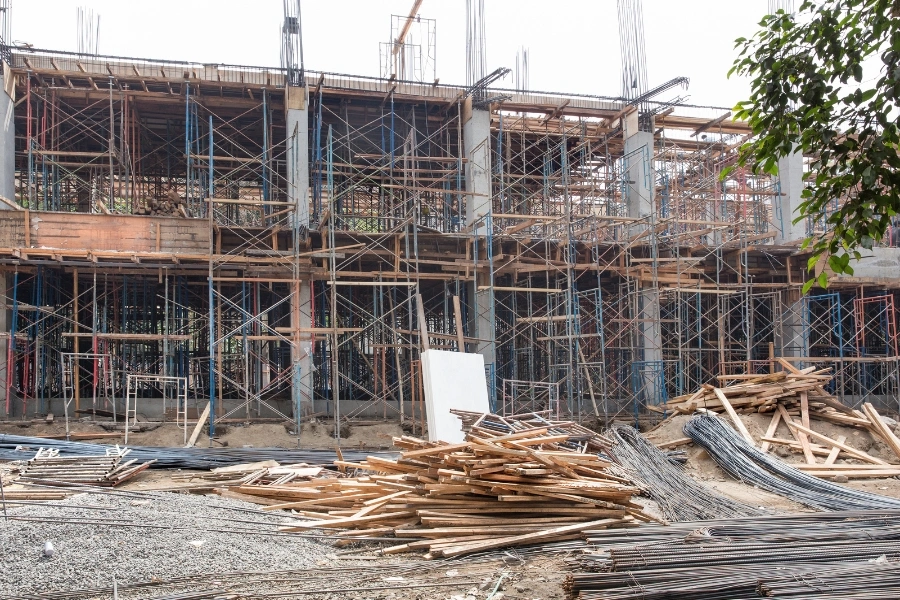
You selected wood of the right price and size, yet a few months later, cracks, discoloration, small holes, or brittle sections have appeared? Don’t be too quick to blame the material itself. Construction wood deteriorating quickly can stem from various factors ranging from uncontrolled moisture content, improper storage, and biological attacks to simply using a wood type unsuited for the specific conditions of use.
Interestingly, wood damage isn’t always immediately visible. In certain cases, decay develops at joints, in concealed areas, or at points constantly exposed to moisture. Research on wood and decay-causing fungi indicates that moisture is a primary factor determining the risk of wood degradation.
To clarify the situation and help you take preventive measures, let’s look at the full explanation below!
What Causes Construction Wood Deteriorating Quickly?
Project wood can suffer a rapid decline in quality for reasons beyond just age. So, what are the most common causes encountered in the field?
1. Excessive Wood Moisture Content
This is a frequently overlooked cause. Wood is hygroscopic, meaning it absorbs and releases moisture in response to environmental conditions. High moisture levels increase the risk of fungal growth, swelling, shrinking, cracking, and warping. Therefore, ensure the wood’s moisture content meets project requirements and allow for an acclimatization period before installation if necessary.
2. Storage Directly on the Ground
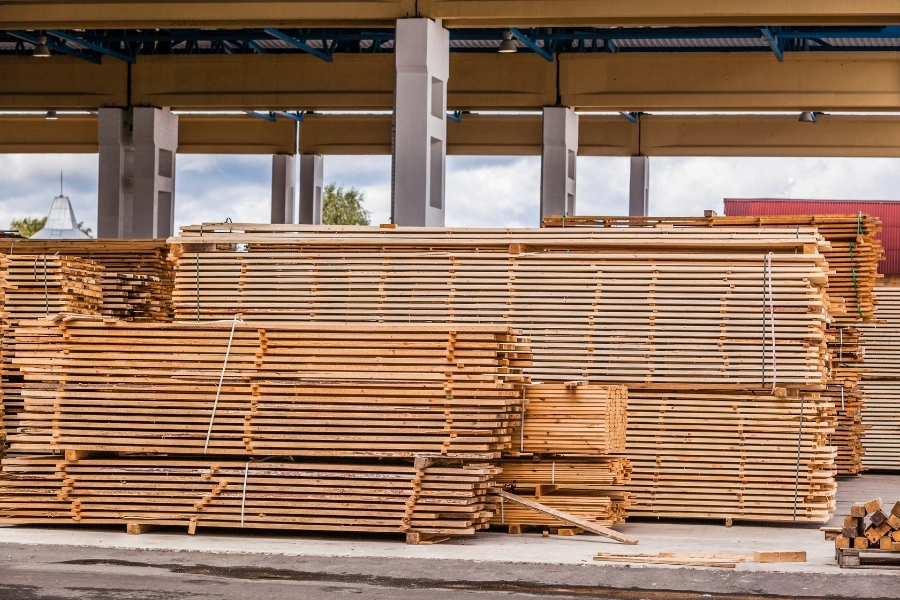
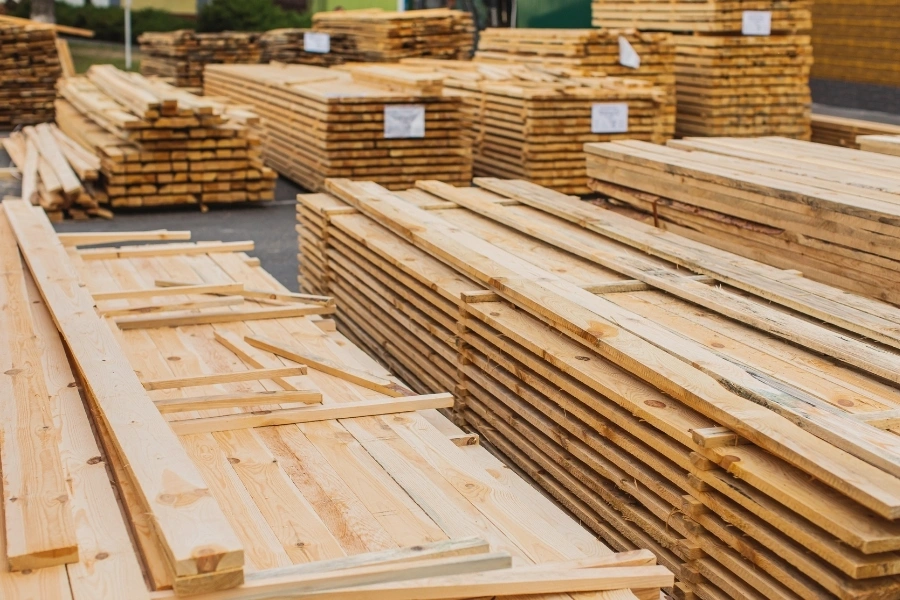
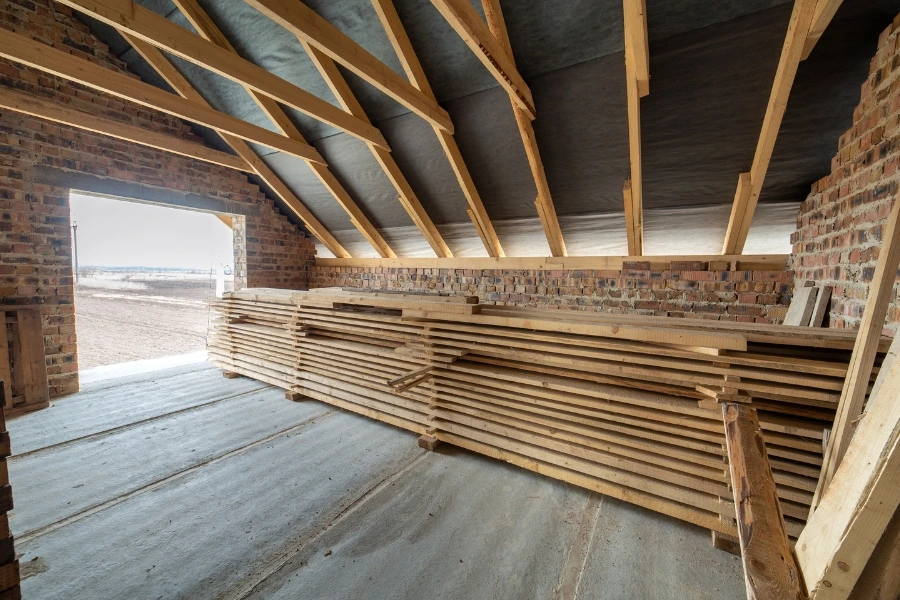
Avoid storing wood directly on the ground or on damp floors, as it can absorb moisture. Store it in a dry area with good airflow, and use spacers or pallets to prevent direct contact between the wood and the surface.
3. Poor Ventilation and Air Circulation
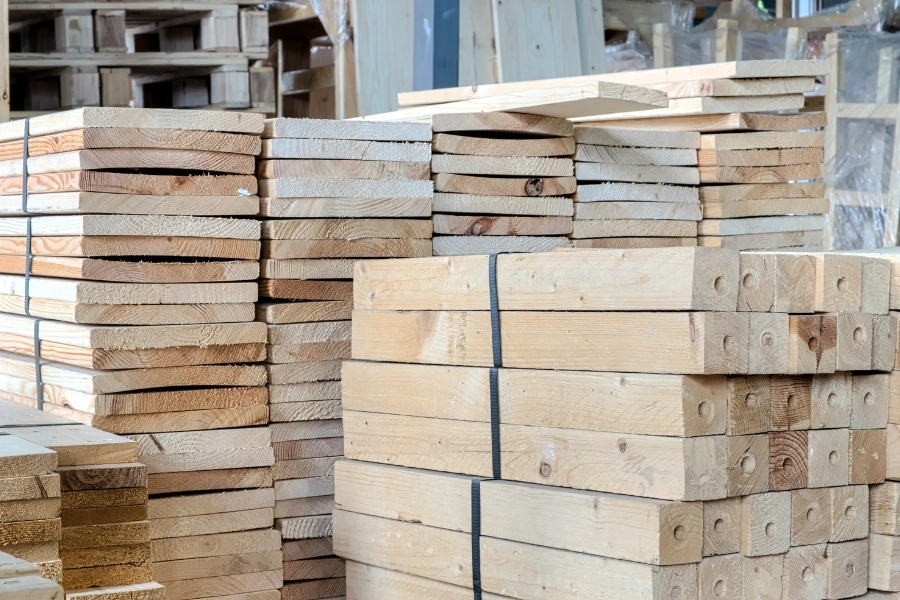
Stacking wood too tightly can trap moisture and trigger fungal growth. Ensure there are gaps between the stacked pieces to allow air to circulate and help the wood dry faster.
Read also: Tips for Storing Plywood to Prevent Damage Before Use
4. Repeated Exposure to Water
Exposure to rain once doesn’t necessarily cause immediate problems. The real concern arises from continuous exposure to water without the chance to dry properly. Examples include beams near a leak, unprotected exterior wood, or structural sections where water pools.
In wooden structures, joints are particularly vulnerable, as water can become trapped around connections and fasteners.
5. Attacks by Termites and Wood-Destroying Organisms
If you notice small holes, sawdust-like powder, or a hollow sound when tapping the material, do not immediately assume it is a manufacturing defect. The material may have been attacked by wood-destroying organisms, such as termites or specific insects.
Risks vary depending on the wood species, environmental conditions, and how the material is treated. Therefore, choosing wood solely based on price can be a mistake if the material is intended for an environment with high biological risks.
6. Choosing the Wrong Wood Type for the Application
Not all wood shares the same characteristics. Wood suitable for interiors is not necessarily the best choice for areas exposed to frequent rain, high humidity, or heavy loads. Factors such as strength, dimensional stability, weather resistance, and the wood’s natural properties must align with its intended function. For instance, heavy construction and exterior applications require different considerations than materials used for lightweight furniture or interior finishing.
So, if your construction wood deteriorating quickly despite proper storage, re-evaluate whether the material type is truly suitable for the environment and the load it must bear.
7. Construction Design Traps Water
The material itself may be of high quality, yet the construction design might prevent water from draining away. Gaps in joints, unprotected cut ends, recessed areas, and contact points with walls or the ground can all become sites where water accumulates. In timber construction, a key protection principle is ensuring the material dries quickly after exposure to water, rather than simply relying on the wood’s inherent water resistance. Features such as drainage, ventilation, overhangs, and targeted protective measures can help minimize moisture exposure.
How Can You Prevent Wood Damage on Construction Projects?
Prevention can actually begin before the materials even arrive at the project site. Here is how:
- Select the wood type based on its intended function and environmental conditions.
- Inspect the physical condition of the materials upon delivery.
- Avoid storing wood directly on the ground.
- Use spacers or supports to ensure proper air circulation.
- Protect materials from rain and standing water.
- Do not cover wood stacks airtight without considering ventilation.
- Pay attention to joints and areas where water might pool.
- For specific requirements, consider materials that have undergone drying or protective treatments according to specifications.
By taking these steps, you can minimize the risk of the construction wood deteriorating quickly either before or after installation.
Choose Wood Based on Project Conditions, Not Just Price!
For large-scale projects, selecting the right materials from the start is a crucial investment. Hojaya offers a wide range of wood products, including dolken gelam, albasiah, borneo Jambi, meranti Kalimantan, kruing, kamper Samarinda-oven, and bengkirai. Each type has unique characteristics and uses, allowing you to select the best fit for your project’s needs.
Rest assured, our wood materials undergo rigorous sorting, drying, and quality control processes targeting a moisture content of 12–18% to ensure they are ready for immediate use. We also have the supply capacity and logistics network to deliver large volumes across Indonesia.
So, don’t wait until damage appears before investigating the cause. Factors such as wood selection, material condition upon arrival, storage methods, and installation details should all be considered from the very beginning.
Contact us today to get high-quality wood materials at special prices!
FAQ
1.Does wood exposed to rain inevitably deteriorate quickly?
Not necessarily. Wood is at higher risk of damage when exposed to prolonged moisture without the opportunity to dry out properly.
2. What moisture content level makes wood safe from mold?
There is no single figure that applies to all conditions and wood types. However, high moisture levels are a key factor in the growth of decay-causing fungi.
3. Is hardwood necessarily resistant to termites?
Not always. Resistance to wood-destroying organisms depends on the wood species, the specific part of the wood, environmental conditions, and any treatments or preservatives applied.
4. How should project wood be stored to prevent rapid deterioration?
Place the wood on supports or pallets, avoid direct contact with the ground, protect it from rain, and ensure adequate air circulation between the stacked pieces.
5. When should project wood be replaced?
When the material shows signs of structural decay, loss of strength, severe cracking, holes caused by organism infestation, or dimensional changes that render it unsuitable for construction requirements.