

Blog
7 Most Sought-After and Considered Wood Material This Year

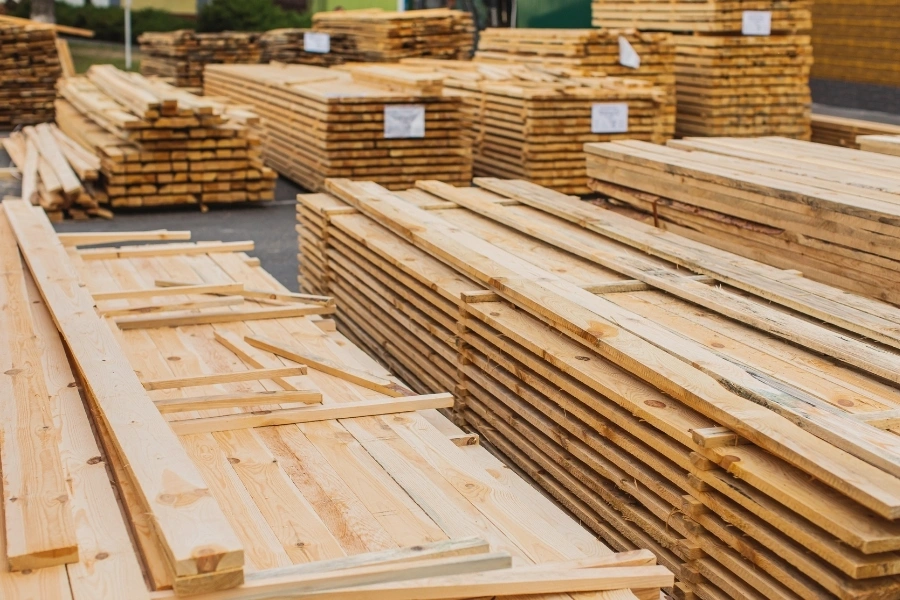
Selecting wood for a project involves more than just considering price or grain appearance. Each type possesses distinct characteristics—ranging from strength and resistance to termites and moisture to workability and suitability for indoor or outdoor use. Therefore, knowing which wood material are widely used can help you make a more informed choice.
As we enter 2026, the demand for wood remains diverse. Contractors require wood for framing and structural work, whereas furniture workshops prioritize ease of processing and finishing results. For exterior applications, weather resistance is the primary concern.
So, which wood types are in high demand, and what are they used for? Let’s find out!
7 Most Sought-After Wood Material
Among the many options available, certain types of wood are highly sought after because they are considered suitable for construction, furniture, and outdoor projects. What are they?
1. Meranti Wood
Meranti is a popular choice for general construction needs because it is relatively easy to work with and economical. It is widely used for roof trusses, wall framing, ceilings, door and window frames, and basic furniture.
Hojaya classifies Meranti as a strength class II–III wood that is relatively easy to process.
Interestingly, Meranti need not always be viewed merely as a cheap option. For projects requiring a large volume of timber where not every component bears a heavy load, the strategic use of Meranti can help control the budget without compromising functionality.
2. Kamper Samarinda Wood
If a project requires greater durability, Kamper Samarinda is worth considering. This wood is renowned for its density and superior resistance to termites and moisture compared to more economical construction wood options.
Kamper Samarinda is frequently used for applications such as door and window frames, doors, roof trusses, and other building components requiring higher durability and strength. Hojaya positions Kamper Samarinda as a premium choice for frames and applications demanding extra durability. This means price is not the only factor to consider. If future component replacement is likely to be costly or troublesome, opting for more durable wood from the start can be an economically sound decision.
3. Bengkirai Wood
For outdoor applications, Bengkirai is a frequently considered option. Its hardness and strength make it suitable for areas subject to heavy loads or significant environmental exposure.
Common uses for this wood material include decking, carports, bridges, posts, and other exterior elements. Hojaya classifies Bengkirai as a Strength Class I–II wood and recommends it for heavy-duty exterior use. However, being a hardwood does not automatically make it maintenance-free; installation conditions, water exposure, drainage design, and finishing all influence its lifespan.
4. Kruing Wood
Kruing is an interesting choice as it bridges the gap between general construction needs and applications requiring superior strength. It is suitable for roof framing (supporting medium to heavy loads), floor joists, solid structural components, and various door and window frame applications.
In Bandung, Kruing is also known as Kamper Banjar. Hojaya lists it as a Strength Class II wood, noting its dense nature and suitability for structural purposes.
For projects requiring a balance between strength and cost-efficiency, Kruing is worth comparing with other hardwood varieties before making a final decision.
5. Albasiah Wood
Unlike Bengkirai or Kruing, Albasiah is better suited for projects requiring lightweight and economical timber. It is commonly used for light construction, partitions, concrete formwork, shipping crates, and non-structural furniture components.
Its relatively low weight offers advantages when materials need to be transported or processed in large quantities. Hojaya includes Albasiah in its lineup of nine available solid wood varieties.
However, a common misconception must be avoided: being lightweight does not mean it is suitable for every part of a building. Selection must always be based on the intended function and the loads the wood will be required to bear.
6. Teak Wood
Teak is renowned for its strength, durability, and attractive grain. This wood is widely used for furniture, doors, door frames, flooring, and various interior applications.
Beyond its aesthetic appeal, teak offers excellent resistance to moisture and termite attacks. Consequently, it is often the preferred choice for projects that prioritize quality and long-term durability.
7. Merbau Wood
Merbau is characterized by its hardness, density, and strength, making it ideal for applications requiring high durability. Its reddish-brown hue also makes it an attractive choice for decorative purposes.
Merbau is commonly used for flooring, decking, furniture, doors, and both interior and exterior elements. It is an excellent choice when a project demands a combination of strength and a premium appearance.
So, Which Wood Is Right for Your Project?
Choosing wood material isn’t just about picking a currently popular variety; it is more important to match the material to your actual needs. Factors such as strength, intended location, durability, and budget must all be considered. The good news is that Hojaya offers a wide range of solid wood options for construction and workshop needs, allowing you to compare the characteristics and functions of each type. Options include meranti kalimantan, kamper samarinda, bengkirai, kruing, albasiah, and many more.
However, if you are still unsure about the right type, size, or quantity of wood, please do not hesitate to contact us for a consultation. Rather than simply buying wood based on price or others’ recommendations, it is better to tailor your choice to the specific requirements of your project.
FAQ
1.What is the most commonly used wood for construction?
Meranti is a popular choice for general construction because it is relatively economical and easy to work with. However, specific structural requirements may call for Kruing, Samarinda Kamper, or Bengkirai.
2. Is Bengkirai suitable for outdoor use?
Yes. Bengkirai is hard and strong, making it widely used for decking, carports, bridges, and heavy-duty exterior applications.
3. What is the difference between Meranti and Samarinda Kamper?
Meranti is more economical and commonly used for standard construction, whereas Kamper Samarinda offers superior resistance to termites and moisture, making it suitable for applications requiring greater durability.
4. Is Albasiah suitable for building frameworks?
Albasiah is better suited for lightweight construction, partitions, formwork, and non-structural components. For load-bearing elements, it is advisable to use wood with appropriate strength characteristics.
5. Where can I obtain various types of wood for project needs?
Hojaya supplies a wide range of solid wood varieties, including Meranti, Kamper Samarinda, Bengkirai, Kruing, Albasiah, Borneo Jambi, Racuk MC, bamboo, and Dolken Gelam poles.