


Blog
Bamboo vs. Wood for Lightweight Construction, Which Is More Practical?

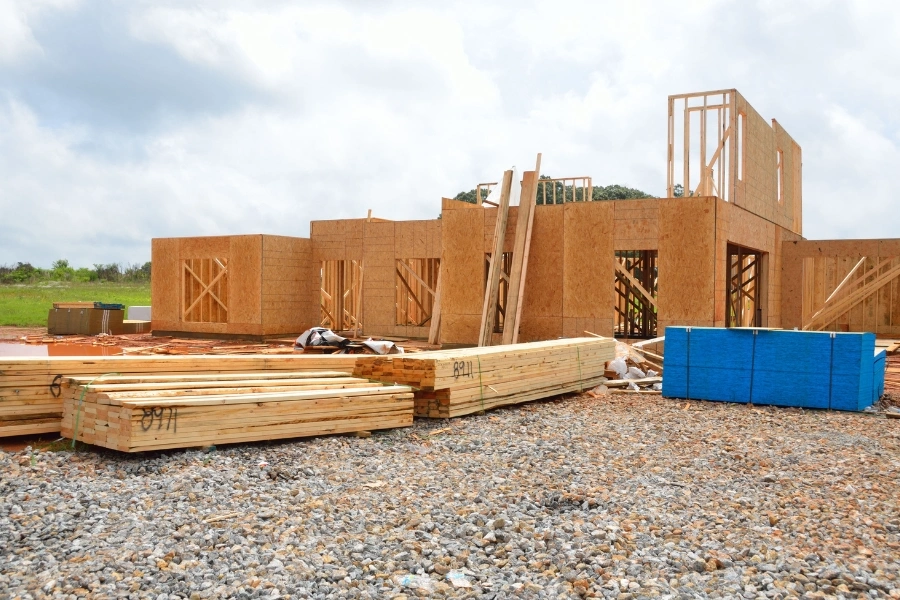
When selecting materials for lightweight construction, many people immediately compare prices without considering how the material will be installed, maintained, and used in the long run. In reality, construction wood and bamboo possess quite different characteristics. Bamboo is known for being lightweight, flexible, and economical, whereas wood offers a wider variety of types, dimensions, and strength levels.
So, which is more practical? The answer varies depending on the project. To decide, one must consider factors such as strength, material dimensions, environmental durability, ease of workmanship, and specific on-site construction requirements. By considering these aspects from the start, you can choose a material that is not only easy to use but also aligns with the project’s needs. Let’s take a look at how wood and bamboo compare across these various factors to help you make the right choice.
Bamboo vs. Wood for Lightweight Construction
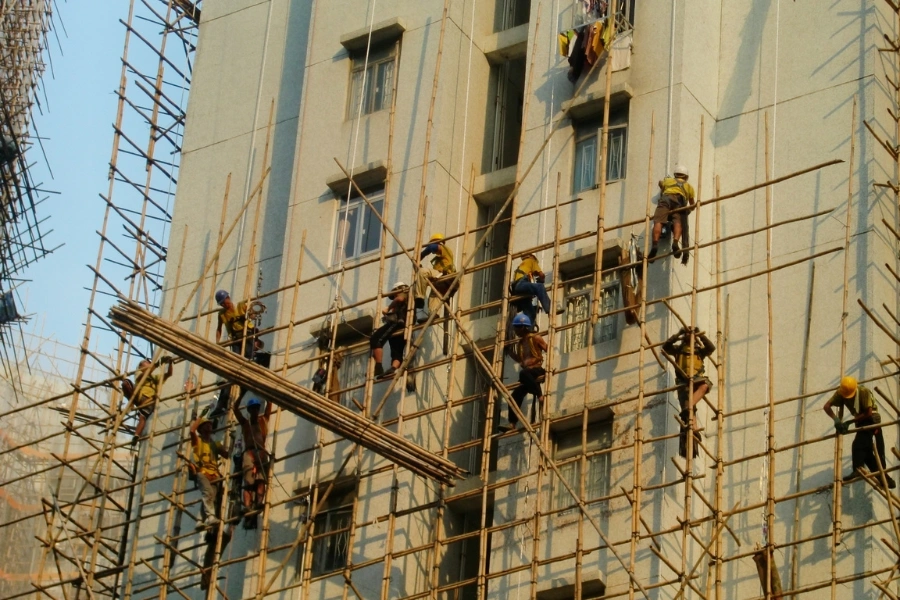
Bamboo actually possesses impressive mechanical potential. It is a relatively lightweight material with a high strength-to-weight ratio. In lightweight construction, bamboo can be used for scaffolding, partitions, decorative elements, and even temporary structures. However, its hollow, cylindrical form and varying diameters make standardization and joining processes more complex compared to wood, which typically comes in uniform, square-cut sizes.
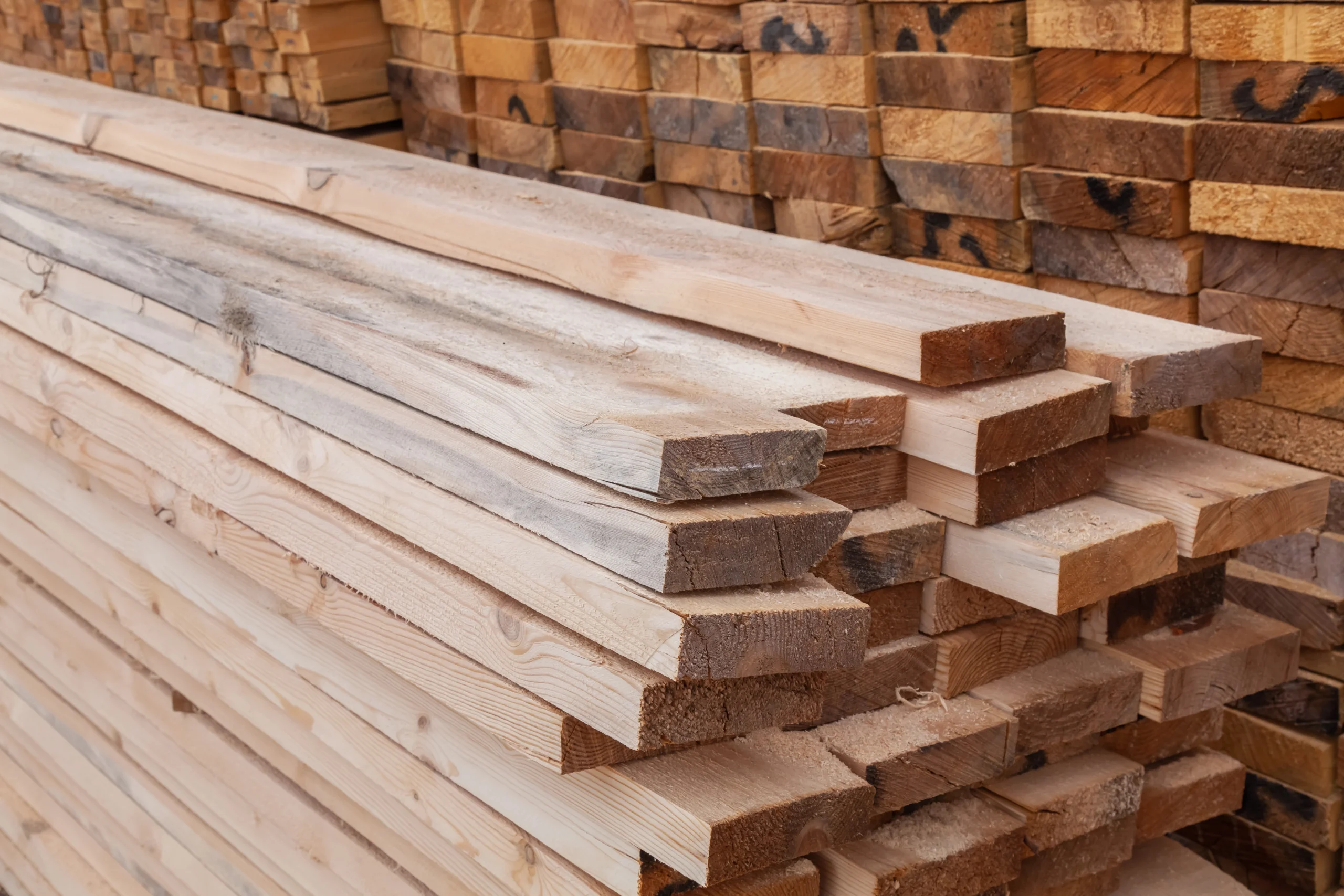
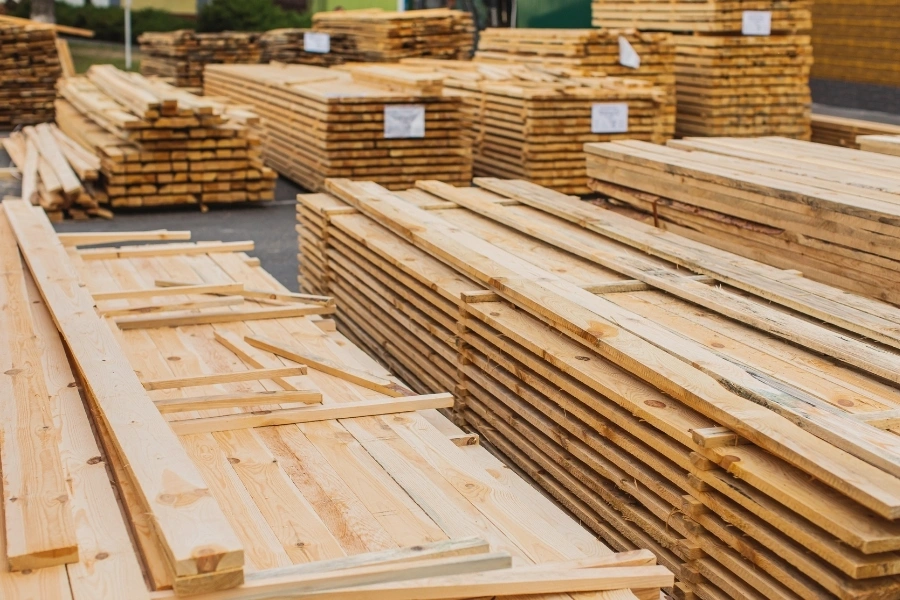
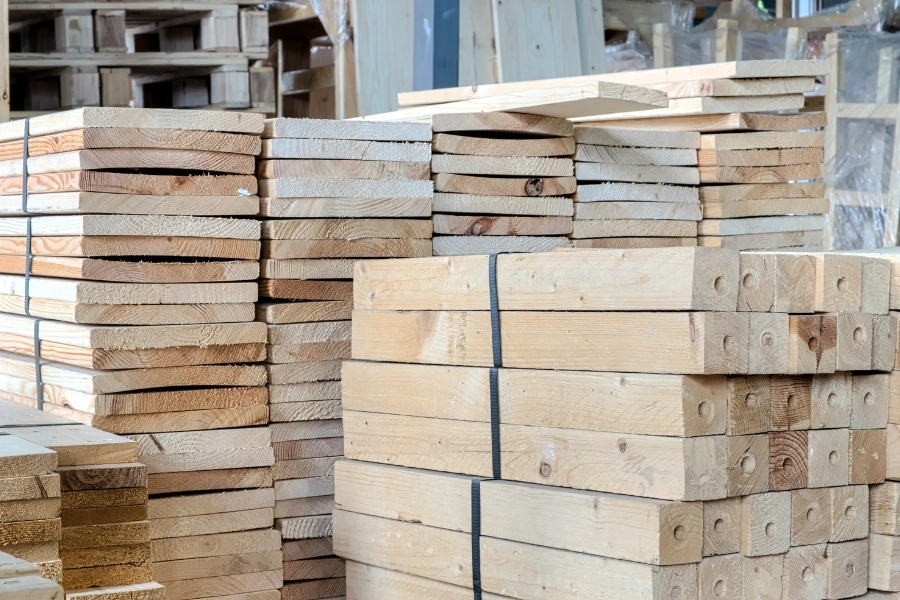
Wood is often the preferred choice when a project requires consistent dimensions. It is available in various forms—such as battens, rafters, beams, and planks—making it easier to adapt to specific framing details. Furthermore, the wide range of wood species allows you to select the material best suited to your strength requirements and the installation environment.
| Factors | Bamboo | WOOD |
|---|---|---|
| Weight | Relatively light | Depends on type and size |
| Shape | Round and hollow | Can be in the form of beams, rafters, planks, etc. |
| Workability | Requires specific joining techniques | Relatively easy to cut and join |
| Size uniformity | More varied | Easier to standardize |
| Flexibility | High | Depends on wood type |
| Humidity | Needs attention and protection | Depends on type, water content and treatment |
| Suitable for | Scaffolding, lightweight structures, decoration | Framework, partitions, ceilings, general construction |
When Is Bamboo More Practical?
Bamboo can be an attractive choice when a project requires a material that is lightweight, easy to transport, and economical. Examples include temporary scaffolding, decorations, exhibition booths, lightweight partitions, or structures that do not bear heavy, permanent loads.
However, do not assume bamboo is automatically more practical simply because it is lightweight. Moisture content significantly affects its mechanical properties and dimensional stability. Green (fresh) bamboo performs differently than properly dried bamboo. Furthermore, bamboo is susceptible to water absorption, fungal attack, and degradation if not adequately protected.
This means that selecting bamboo requires subsequent drying, preservation, and appropriate joint detailing. For temporary construction, this may be manageable. However, for projects requiring precise dimensions and material consistency, wood often proves more practical.
When Is Wood Superior?
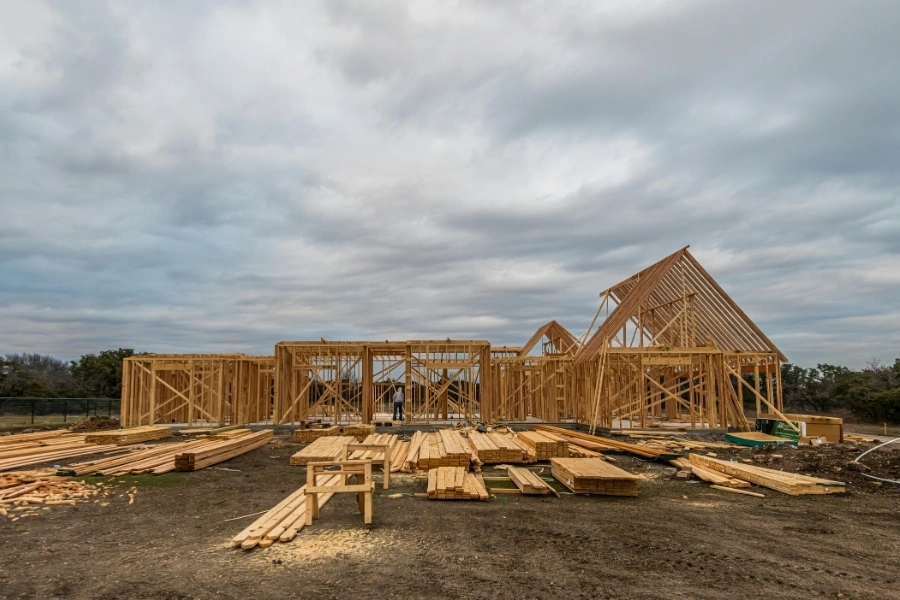
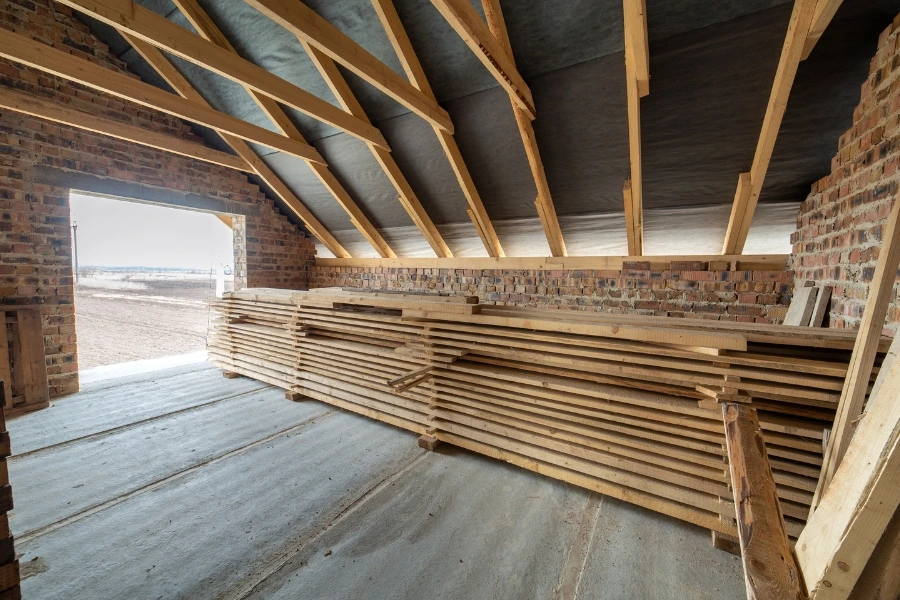
If a project requires framing with specific dimensions, easy joinery, and a material that can be worked with standard carpentry tools, wood tends to be more practical.
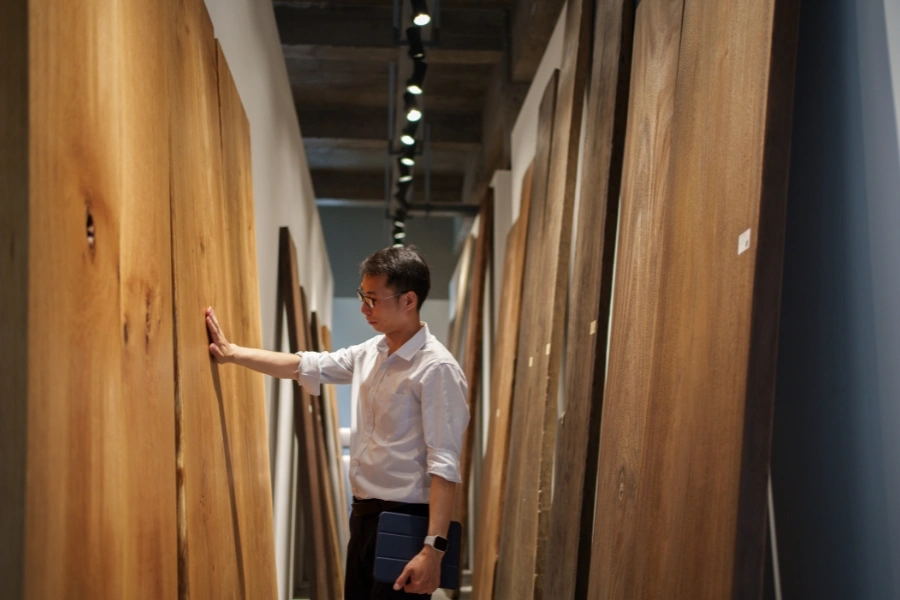
Another advantage is the variety of species available. Lightweight wood varieties are suitable for non-structural work or light construction, while stronger, more durable types can be selected when load-bearing requirements increase.
For instance, albasiah (falcata) is suitable for light construction and partitions, whereas meranti is appropriate for wall framing, ceilings, and standard construction. For heavier-duty needs or more exposed areas, species like kruing and bengkirai offer distinct characteristics.
Thus, using wood for construction does not imply a single type of material. In fact, this variety of species is one of the reasons wood offers greater flexibility for diverse project requirements.
Wood and Bamboo Material Options from Hojaya!
If your project is best suited for wood construction, the specific type of wood chosen should still align with your requirements. Hojaya offers a wide range of wood materials, including racuk MC, borneo Jambi, meranti Kalimantan, kruing, kamper Samarinda, and bengkirai. We also supply bamboo and dolken gelam (Gelam poles) for specific needs.
Notably, these options allow you to avoid using a single material type for the entire project. Lightweight wood can be used where weight efficiency is key, while stronger wood varieties are suitable for sections requiring higher performance. We provide materials in various forms—such as battens, rafters, beams, and planks to suit your project’s needs.
So, before deciding between bamboo and wood for construction, consider the function and specifications of the job. Ultimately, the right material isn’t necessarily the cheapest or the strongest, but the one that best fits your project’s requirements.
Need help choosing the right material? Contact us for product information and assistance with your project needs.
FAQ
1.Is bamboo suitable for lightweight construction?
Yes. Bamboo can be used for scaffolding, lightweight partitions, decoration, and temporary structures. However, proper drying and preservation are essential to enhance durability.
2. Is wood more practical than bamboo?
For projects requiring uniform dimensions, precision cutting, and relatively easy joinery, wood is generally more practical. However, bamboo can be superior for lightweight and temporary structures.
3. Which wood types are suitable for lightweight construction?
It depends on the requirements. Albasia is suitable for lightweight construction and partitions, while Meranti is ideal for framing and standard construction. Selection should take into account load requirements and environmental conditions.
4. Is bamboo resistant to water and moisture?
Bamboo is susceptible to water absorption, fungal attacks, and degradation if not properly protected. Therefore, drying, preservation, and moisture protection are crucial considerations.
5. How do I choose materials for lightweight construction?
First, determine the material’s function, the loads it will bear, its location of use, humidity levels, required dimensions, joining methods, and the target service life. Only then should you compare bamboo with the available wood types.