

Blog
6 Critical Mistakes When Using Bamboo Material

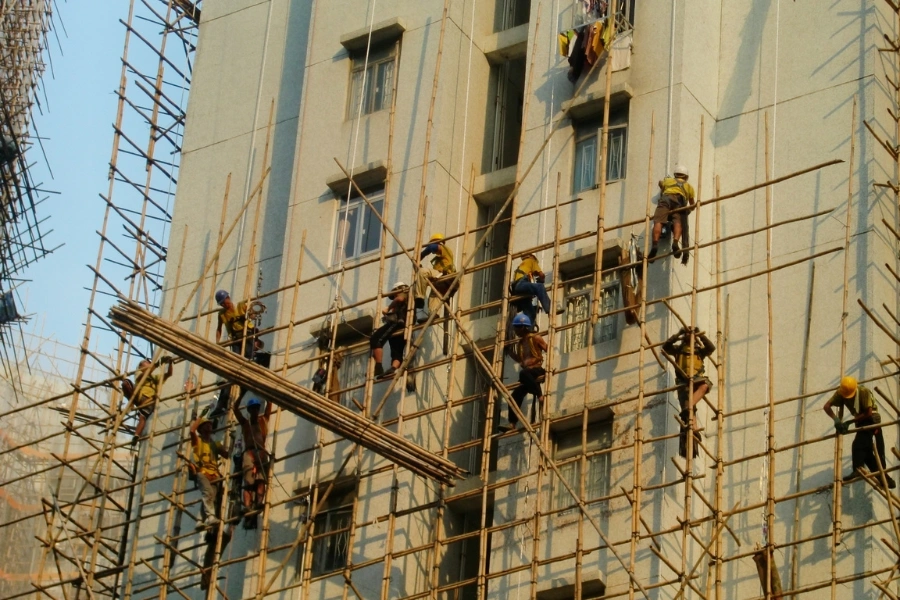
Bamboo is becoming increasingly popular as a construction material and decorative element due to its natural appearance, eco-friendliness, and strength that rivals that of many types of wood. In fact, in various modern architectural projects, bamboo is often used for building structures, fences, gazebos, and even home interiors.
However, even though it may seem simple, bamboo should not be used carelessly. Many people assume that bamboo just needs to be cut and then installed immediately. In reality, even small mistakes in selection, processing, or installation can cause bamboo to deteriorate quickly, rot, or even lose its strength.
So, to ensure your building investment is more durable and safe, let’s find out what mistakes you need to avoid when using bamboo!
What Are the Common Mistakes in Using Bamboo Material?
There are many factors that affect the strength and durability of bamboo, ranging from choosing the wrong type to neglecting the preservation process. We’ll break them down one by one below. Be sure to read this before you use bamboo!
1. Using Bamboo That Is Not Yet Mature
The most common mistake is using bamboo that has been harvested too early. Young bamboo is indeed easier to cut and is usually cheaper. However, its water and sugar content is still high, making it more susceptible to attacks by termites, powderpost beetles, and fungi.
For construction purposes, bamboo should ideally be harvested at around 3–5 years of age. At that age, the bamboo fibers have developed optimally and possess greater strength to bear loads.
2. Failing to Perform a Preservation Process
Many people use bamboo immediately after harvesting without first preserving it. In fact, this process is crucial for extending the bamboo’s lifespan. Preservation can be achieved through soaking, smoking, or using a special preservative solution. The goal is to reduce the sugar content, which serves as the primary food source for pests that damage bamboo.
Without proper preservation, bamboo can deteriorate within just a few years, especially if used in damp or exposed areas.
3. Choosing the Wrong Type of Bamboo
Not all types of bamboo are suitable for construction needs. Each type has different characteristics, whether in terms of diameter, wall thickness, or strength. For example, petung bamboo is known for its large size and strength, making it suitable for building structures. Meanwhile, some other types of bamboo are better suited for crafts or decorative elements.
Choosing the wrong type of bamboo for a given application can result in an unstable structure and a shorter service life.
Read also: Types of Bamboo Commonly Used in Construction
4. Ignoring Environmental Conditions During Installation
Bamboo installed in direct contact with the ground is at higher risk of moisture damage and attack by destructive organisms. The same applies to bamboo that is constantly exposed to rain and sunlight without additional protection.
Ideally, bamboo should be installed using a foundation or special supports to prevent direct contact with the ground. Additionally, applying a protective coating can help improve its durability.
5. Improper Joints and Installation Techniques
The structural strength of bamboo is determined not only by the quality of the material but also by its jointing system. Many structural failures occur due to the use of inappropriate screws, nails, or ties. Bamboo is hollow and can split if subjected to excessive pressure. Therefore, installation should account for load distribution and employ jointing techniques specifically designed for bamboo.
6. Failing to Perform Regular Maintenance
Some people assume that once bamboo has been installed, it no longer requires maintenance. In fact, routine inspections are still necessary.
Regular maintenance may include:
- Cleaning the bamboo surface of moss and mold.
- Checking for cracks or damage.
- Reapplying a protective coating.
- Ensuring there is no standing water around the installation area.
So, using bamboo as a building material does offer many advantages, ranging from a natural appearance and good strength to its eco-friendly qualities. However, the best results can only be achieved if you avoid common mistakes such as using bamboo that is too young, neglecting the preservation process, or choosing the wrong type of bamboo.
To support your construction project, selecting high-quality materials is equally important. Well, Hojaya is the solution! We provide bamboo poles with natural strength that support structural integrity. And to support your project, we also offer a variety of solid wood, plywood, polyfilm, fancy, and film-faced materials widely used in both construction and interior projects all selected to the highest quality standards.
Remember, with the right materials, your building project can achieve its full potential while also having a longer service life. So, contact us and discuss your wood project needs!
FAQ
1. What is the ideal age of bamboo for use as a building material?
Generally, bamboo that is 3–5 years old is considered ideal because it has optimal fiber strength and is more resistant to pests.
2. Does bamboo need to be treated before use?
Yes. The treatment process is very important to enhance bamboo’s resistance to termites, mold, and moisture.
3. Can all types of bamboo be used for construction?
No. Some types of bamboo are better suited for building structures, while others are more appropriate for crafts or decoration.
4. Why shouldn’t bamboo come into direct contact with the ground?
Direct contact with the ground can increase the risk of moisture, rot, and attacks by destructive organisms.
5. What is the lifespan of bamboo used in construction?
With proper selection, effective preservation, and routine maintenance, bamboo can last for decades.