
Blog
How to Tell the Difference Between Moisture-Resistant Plywood and Regular Plywood—Don’t Make the Wrong Choice!

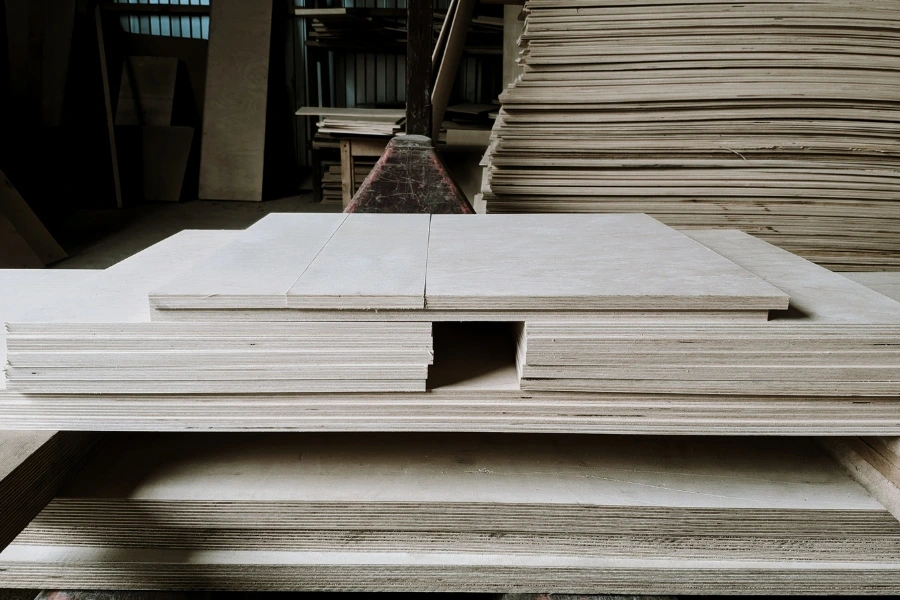
Plywood is one of the most commonly used materials in interior design and light construction projects. From building cabinets, shelves, and room partitions to house walls, this material is known for being strong, lightweight, and easy to shape. However, for areas with high humidity, using moisture-resistant plywood is often recommended.
Unfortunately, many people still use regular plywood in areas like kitchens or walls near windows. As a result, the boards swell, develop mold, and even deteriorate quickly. You certainly don’t want to make the same mistake, do you? So, let’s understand the differences between regular plywood and moisture-resistant plywood to avoid choosing the wrong material and ensure optimal project results!
What Is Moisture-Resistant Plywood?
Before discussing the differences, you need to first understand what moisture-resistant plywood is. Simply put, this type of plywood is designed to be more resistant to environments with high humidity levels. This resistance typically comes from the use of special adhesives that can withstand water or water vapor, preventing the wood layers from easily separating.
Some types that fall into this category include:
- MR plywood
- WBP plywood (Weather and Boiled Proof)
This material is typically used in areas prone to moisture, such as kitchen cabinets, kitchen units, or certain interior walls.
How to Tell the Difference Between Moisture-Resistant Plywood and Regular Plywood
To avoid making the wrong choice when buying plywood, there are a few practical tips you can keep in mind. What are they?
1. Check the Type of Adhesive Used
The main difference between regular plywood and moisture-resistant plywood lies in the type of adhesive used.
- Regular plywood typically uses standard interior glue that isn’t designed to withstand water.
- Moisture-resistant plywood uses specialized adhesives like resin or phenolic glue, which are more resistant to moisture.
This type of adhesive significantly determines the board’s durability when exposed to humid air or water splashes.
2. Check the Product Code or Grade
Manufacturers usually include specific codes to indicate the material’s resistance level. Some commonly found codes include:
- MR (Moisture Resistant) – mildly moisture-resistant
- BWR/WBP – more water-resistant and suitable for semi-outdoor areas
- Marine plywood – high-quality for extremely humid environments
Regular plywood generally does not have these specific codes.
3. Core Color
In some products, moisture-resistant plywood has a different core color. For example, HMR board often has a greenish hue on the inside, indicating that the material is moisture-resistant. Meanwhile, standard plywood typically has a natural wood color without any special markings.
4. Denser Layer Structure
High-quality moisture-resistant plywood usually has a denser veneer layer structure with minimal voids. This is important because voids within the board can allow water to enter and damage the wood structure. High-quality products typically use a higher-quality wood core, making them stronger and more stable.
5. Water Resistance Test
Some manufacturers even use simple testing methods to assess plywood quality. One such method involves soaking or boiling a small piece of the board to see if the layers separate. If the layers remain intact, it indicates that the adhesive used is water-resistant. Although not always performed by consumers, this method is frequently used in quality testing within the industry.
Is Moisture-Resistant Plywood the Same as Water-Resistant Plywood?
The answer is, not always. Moisture-resistant plywood is designed to withstand air humidity or light water splashes, but it may not necessarily withstand prolonged water immersion. Conversely, types such as marine plywood or WBP plywood have much higher water resistance and can even be used for certain outdoor applications. Therefore, it’s important to match the type of plywood to its intended location.
Tips for Choosing Durable Plywood
To avoid wasting money on the wrong material, follow these tips!
- Choose a thickness of at least 9–12 mm for walls or furniture.
- Ensure the plywood has an MR, HMR, or WBP rating if used in damp areas.
- Check the surface and core for large voids.
- Apply additional finishes like laminate or protective paint for greater durability.
The bottom line is, you can’t just choose building materials based on price or availability. Moisture-resistant plywood is indeed slightly more expensive than regular plywood, but its resistance to damp conditions makes it far more durable and low-maintenance.
Understanding the difference between moisture-resistant plywood and regular plywood will help you avoid material damage down the line. By choosing the right material from the start, your interior or furniture project will be more durable, sturdy, and long-lasting.
Come on, get high-quality plywood for your interior design needs or construction projects at Hojaya! We offer a wide variety of plywood products, such as blockboard, PVC board, and many others, including HMCP (High Moisture Resistant Composite Plywood). Our materials are specially designed for humid environments, feature a smooth surface, hold screws securely, and are easy to laminate for interior finishes.
Check out our complete product catalog and find the right material for your project!