


Blog
How to Choose a Wood Supplier for Large-Scale Projects, A Quick Guide!

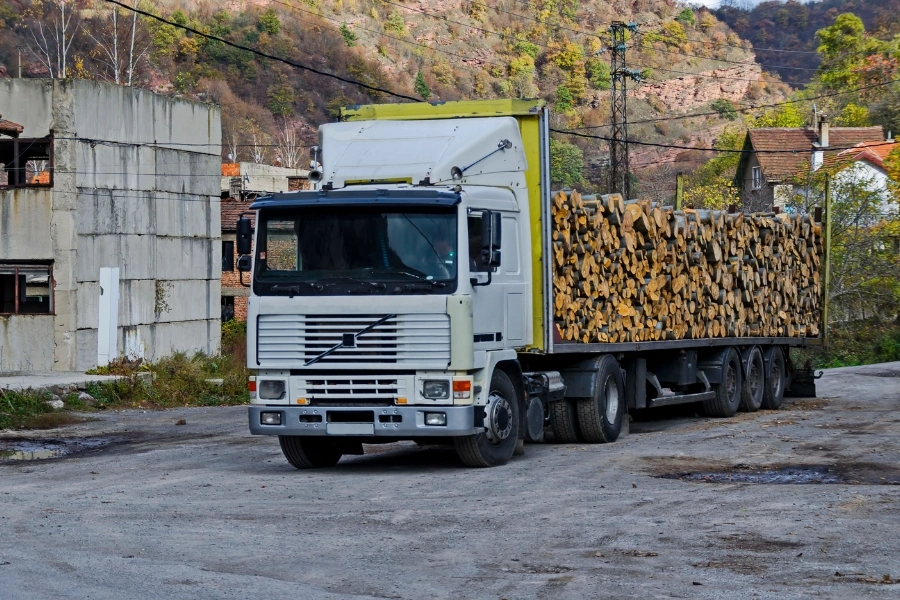
Purchasing timber in large quantities is vastly different from buying materials for household needs or small-scale projects. When requirements run into the hundreds or thousands of pieces, choosing the wrong wood supplier can directly impact costs, work schedules, and even construction quality. Issues such as delayed deliveries, inconsistent dimensions, varying moisture content, or timber quality that fails to meet specifications can force costly rework.
Therefore, selecting a supplier for large-scale projects should not be based solely on the lowest price. There are several far more critical indicators to evaluate from the start. What are they? Let’s find out!
How Do You Choose a Wood Supplier for Large-Scale Projects?
Selecting a timber supplier for large-scale projects involves more than just comparing prices per piece or per cubic meter. So, what factors should you consider to avoid making the wrong choice?
1. Match the Timber Type to Project Specifications
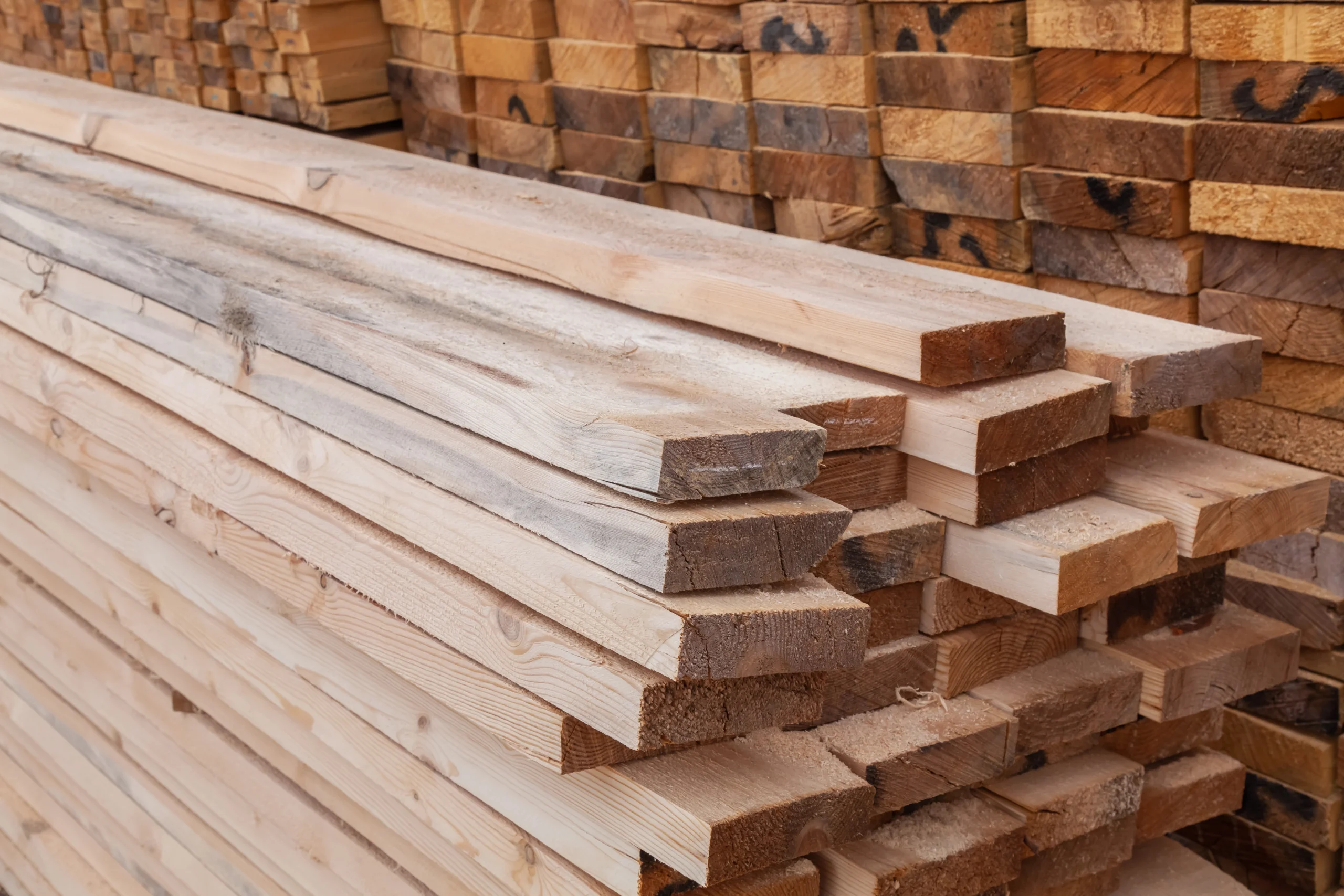
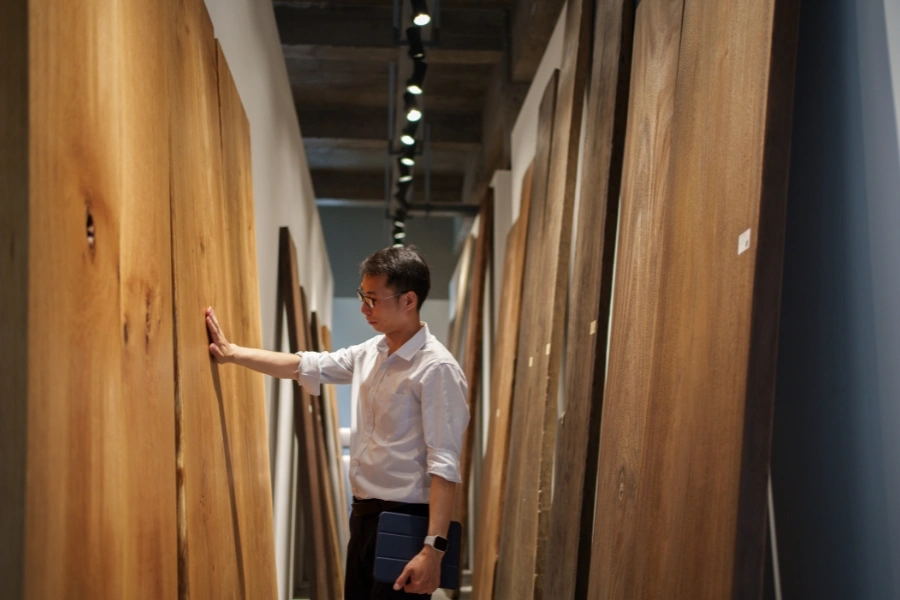
Do not choose timber based on price alone. Ensure the timber type aligns with its intended function and usage conditions, as structural framing, door frames, decking, exterior applications, and furniture all require different specifications. Species such as Meranti, Kamper Samarinda, Bengkirai, Kruing, and Albasiah each possess distinct characteristics regarding strength and durability.
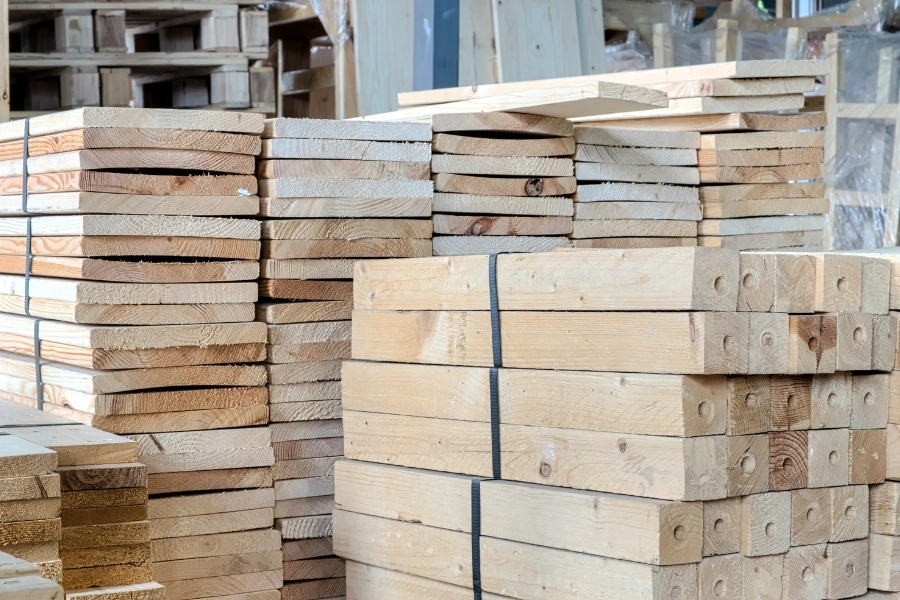
Beyond the species, verify dimensions, lengths, grades, drying conditions, and size tolerances. Clear specifications help ensure the material truly meets the project’s requirements.
2. Look Beyond Current Stock: Check Supply Consistency
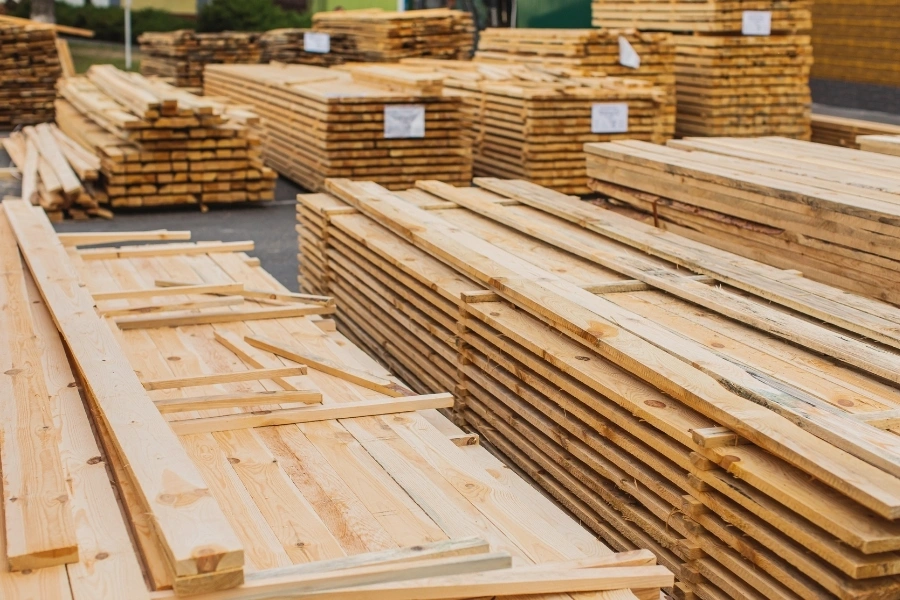
For large-scale projects, current stock levels may not suffice for the entire duration of the work. Therefore, ensure the supplier can maintain a consistent supply, especially if materials are required in multiple phases.
Inquire about supply capacity, future stock availability, specification consistency across batches, and estimated procurement times should stock run out. This is crucial to avoid discrepancies in dimensions, moisture content, color, or timber characteristics between deliveries.
3. Hojaya’s Quality Control, More Than Just a Claim of Quality
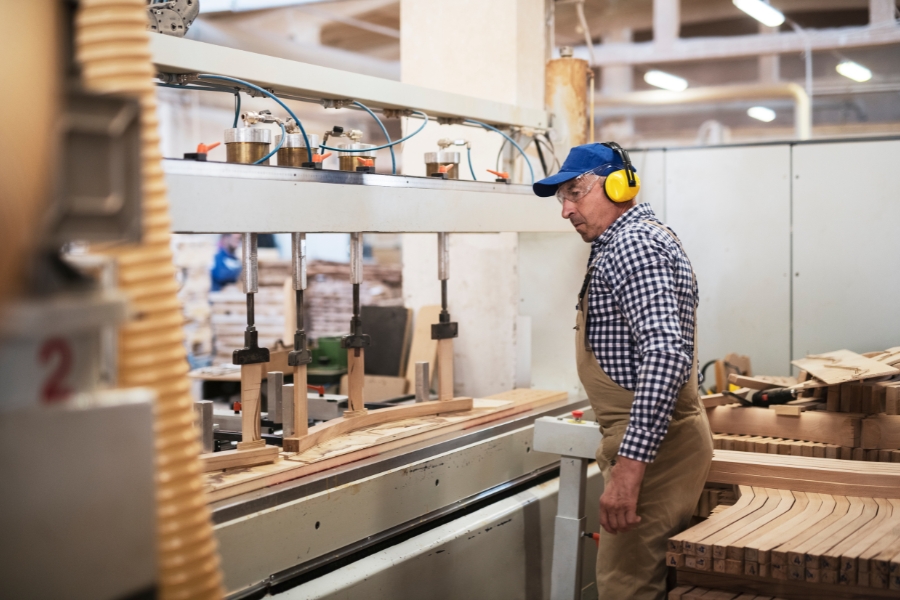
With experience dating back to 2001, Hojaya now supplies over 50 types of timber and plywood for projects of all scales, from small to large. Every piece of wood undergoes sorting, drying, and quality control processes to ensure material quality and suitability prior to shipment.
For high-volume requirements, Hojaya offers consistent, large-scale supply capabilities, backed by a team ready to provide technical consultation and wood type recommendations tailored to project needs.
Read also: How to Choose a Plywood Distributor Offering Premium Quality at Affordable Prices
4. Compare Prices Based on Total Cost, Not Unit Price
A low price does not necessarily mean a lower project cost. Beyond the material price itself, consider expenses such as shipping, unloading, potential shrinkage, rejected materials, and the risk of delays.
A supplier with slightly higher prices may actually be more cost-effective if they offer consistent quality, low rejection rates, reliable stock availability, and on-schedule delivery. For large volumes, you can also request a special quote based on the specific wood types, quantities, and project requirements.
5. Ensure the Delivery System Aligns with the Project Schedule
Bulk timber procurement requires well-planned logistics. Therefore, do not simply confirm that the supplier can make the delivery; ask exactly when the materials will be shipped and whether the delivery schedule can be adjusted to match project progress.
Before placing an order, ensure that details regarding the project site, vehicle access, load capacity, unloading schedule, and shipping documentation have been discussed. If materials are needed in stages, choose a supplier capable of coordinating deliveries according to that schedule.
6. Choose a Supplier Who Can Act as a Procurement Partner
For large-scale projects, a wood supplier should be capable of more than just fulfilling a single order. Material requirements may shift as the project progresses; therefore, rapid response times, product availability, and the ability to meet ongoing needs provide significant added value.
Have You Found the Right Supplier?
Selecting a wood supplier for large-scale projects requires more than just looking for the lowest price. Factors such as material quality, stock availability, supply consistency, the ability to meet specifications, and delivery reliability must all be verified from the start. Doing so minimizes the risk of receiving unsuitable materials or facing supply delays that could disrupt your work.
If you are currently sourcing wood in large quantities, Hojaya is ready to be your reliable partner. We have been operating since 2001, offering over 50 types of wood and plywood for various project needs from construction to workshop applications. We maintain stock for projects of all sizes and offer delivery across Indonesia.
Beyond our diverse material selection, we prioritize supply capacity, rigorous selection and quality control processes, and dedicated team support to help match materials to your project requirements. Contact us directly for product consultations, stock availability checks, and the best price quotes.
Ultimately, the right supplier is not merely one that offers low prices, but one capable of delivering materials that meet specifications, ensuring consistent supply, and providing delivery services that keep your project on schedule.
FAQ
1.What should I ask before buying wood in bulk?
Ask about wood types and grades, dimensions, stock availability, supply capacity, material quality, moisture content (if relevant), wholesale pricing, estimated delivery times, and policies regarding materials that do not match the order.
2. Is price the primary factor when choosing a supplier?
Price is important, but it should be weighed against shipping costs, rejection rates, quality consistency, and the risk of delays.
3. Why is quality consistency important for large-scale projects?
Because materials are used in large quantities and often delivered in multiple batches. Variations in size, quality, or material characteristics between batches can affect the installation process and the final outcome.
4. Can I get special pricing for bulk wood purchases?
Generally, high-volume purchases offer more room for negotiation. The final price depends on the type, dimensions, quantity, stock availability, and delivery location.
5. Does Hojaya cater to project needs outside of Bandung?
Yes. Hojaya provides delivery services to various regions across Indonesia—covering local, intercity, and inter-regional requirements—with services tailored to the order volume.