

Blog
Common Problems When Using Phenolic Plywood and How to Solve Them


In the construction world, using strong and durable materials is crucial to building quality. One frequently used material is phenolic plywood. This material is known for its smooth, water-resistant surface, and is strong enough for concrete formwork and other construction projects.
However, despite its reputation for durability, phenolic plywood is not always problem-free. In the field, many users still experience problems such as premature surface damage, peeling coatings, and premature warping of the boards. These problems are usually caused not only by the quality of the material but also by how it is used and stored.
To avoid mistakes, let’s learn about the various problems that often occur when using phenolic plywood and how to solve them!
What are the Problems with Using Phenolic Plywood? How Can You Solve Them?
Despite its strength and water resistance, phenolic plywood can still encounter problems in the field. These problems are usually influenced by material quality, improper use, and storage. Here, we’ll discuss each one, along with how to solve them!
1. The Plywood Surface Peels Quickly
The most common problem is the phenolic film layer peeling. This condition usually occurs after several uses, especially in concrete casting projects. The main causes can be:
- Too rough formwork removal
- Using sharp tools when cleaning up excess concrete
- Poor quality film layer
- Prolonged exposure to heat and rain
How to fix this?
- Use a release agent before pouring to prevent the concrete from sticking too much
- Avoid dismantling the formwork using sharp objects
- Clean off excess cement using safer tools
- Store the plywood in a dry, level place after use
2. Plywood Easily Warps
The next problem is boards that become deformed or warped. This often occurs when stored improperly or the material is exposed to excessive moisture. Although phenolic plywood has better water resistance than regular plywood, it does not mean it is immune to extreme conditions in the long term. Plywood usually warps due to:
- Prolonged storage in a standing position
- Continuous exposure to rain
- Unevenly stacked loads
- Instable inner layer structure
To overcome this, you can:
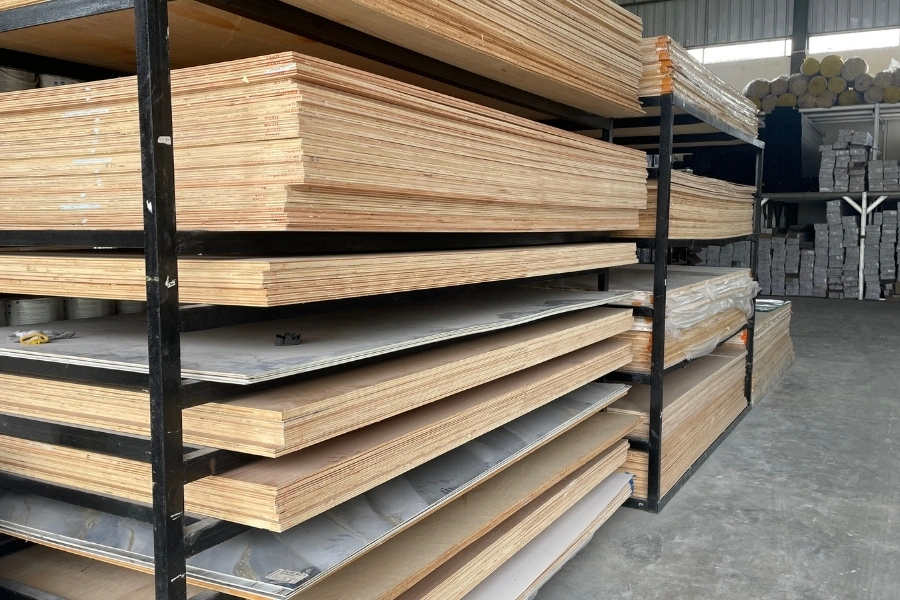
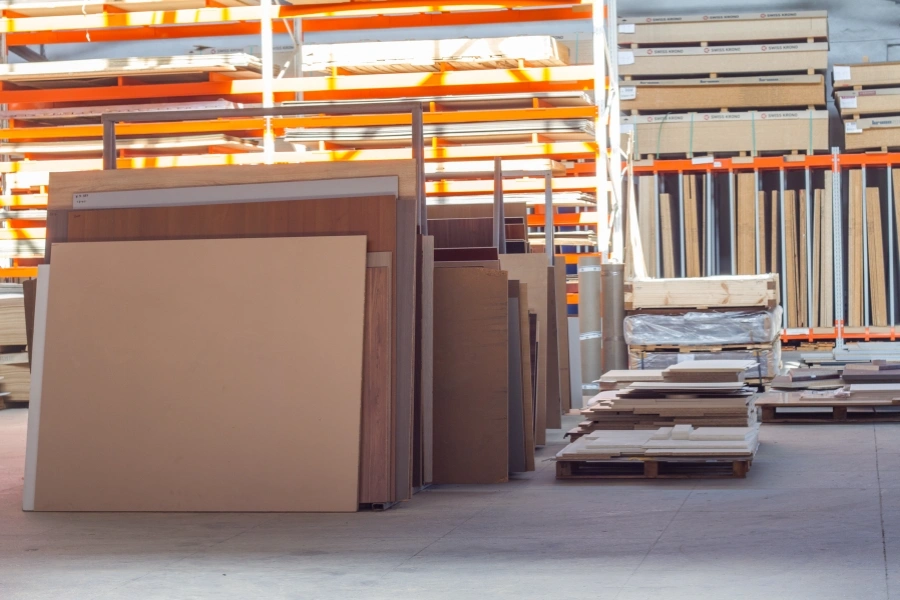
- Store the plywood flat
- Use a pallet base to prevent the plywood from directly touching the floor
- Cover it with a tarp when stored in the project area
- Avoid stacking it too high
3. Rough Concrete Surface After Pouring
Many contractors complain about uneven concrete pouring results even when using phenolic plywood. However, one of the advantages of this material is that it produces a neater concrete finish. This problem usually occurs because:
- The plywood surface is worn
- The phenolic coating is starting to deteriorate
- There is residual cement from previous use
To fix this:
- Use plywood with a smooth surface
- Clean the board after use
- Do not use boards that are cracked or broken
- Apply release agent evenly
4. Plywood Joints Crack Easily
Cracks at joints also often occur, especially when the formwork is removed too quickly. Furthermore, installing the support frame loosely can also cause uneven concrete pressure. The solution is:
- Ensure the support frame is strong enough
- Use appropriate support spacing
- Avoid excessive pressure on any one point
- Remove the formwork once the concrete is strong enough
Tips for Choosing Quality Phenolic
Before purchasing phenolic plywood, there are several things you should consider:
- Choose a smooth and even film surface
- Ensure the thickness meets project requirements
- Check the density of the plywood core layer
- Choose products from a trusted supplier
Using quality products may seem more expensive initially, but it’s much more economical in the long run because the material is more durable and can be reused repeatedly.
Now you know that problems with phenolic plywood can actually be minimized from the start, starting with product selection, usage, and storage after use. Good materials still require proper care for maximum durability and optimal construction results.
Come and get superior quality phenolic plywood at Hojaya. We offer a variety of solutions, from Phenolic Glue MR to Phenolic Glue WBP, suitable for construction needs, concrete formwork, and building projects requiring strong and durable materials. We also offer single-face and double-face variants, as well as thickness options up to 18 mm for construction needs.
So, if you are looking for quality phenolic plywood for a more optimal and durable project, just contact us and find the product that suits your project needs!
FAQ
Is phenolic plywood waterproof?
Yes, phenolic plywood has better water resistance than regular plywood because it is coated with a special phenolic film.
How many times can phenolic plywood be used?
It depends on the quality and maintenance. Good quality materials can be used multiple times in formwork projects.
Why does the surface of phenolic plywood peel?
This is usually caused by rough dismantling, the use of sharp tools, or storage in damp areas.
Is phenolic plywood suitable for outdoor use?
It is quite suitable for temporary use in outdoor areas, especially for construction projects. However, it still needs protection from extreme weather.
How do you properly store phenolic plywood?
Store it in a dry, flat place, and use a mat to prevent it from directly touching the floor.