

Blog
Why Is Polyfilm Plywood Widely Used for Concrete Formwork?

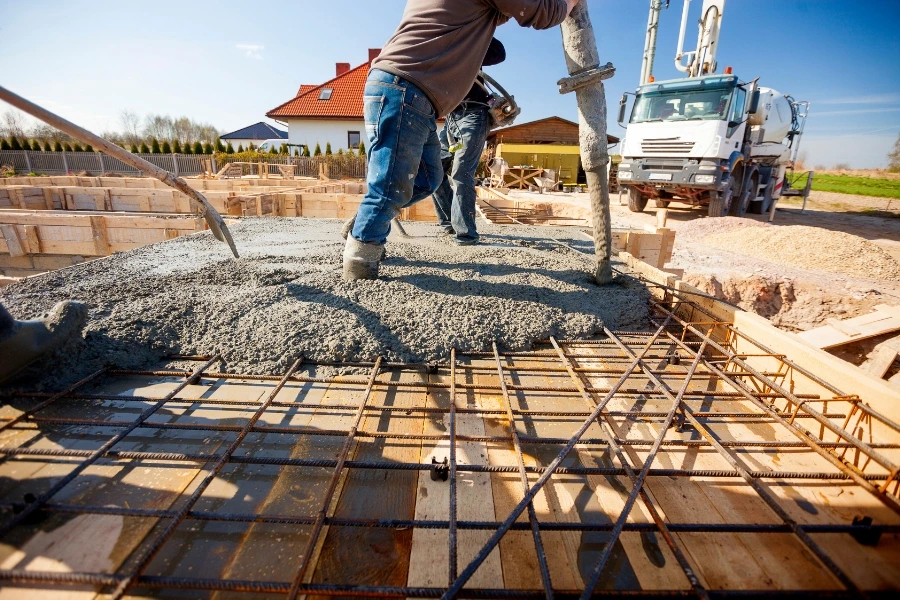
In the world of modern construction, work efficiency and the quality of the final result are two non-negotiable factors. One material frequently chosen to meet these two needs is polyfilm plywood. And for good reason: this material is considered a practical and economical solution for concrete formwork, whether for small-scale jobs or large-scale projects.
The use of polyfilm is also becoming increasingly widespread because it can address challenges on-site, ranging from weather conditions to the demand for precise cast results. So, what exactly makes this material so popular that it’s widely used for concrete formwork? Let’s find out!
What Is Polyfilm Plywood?
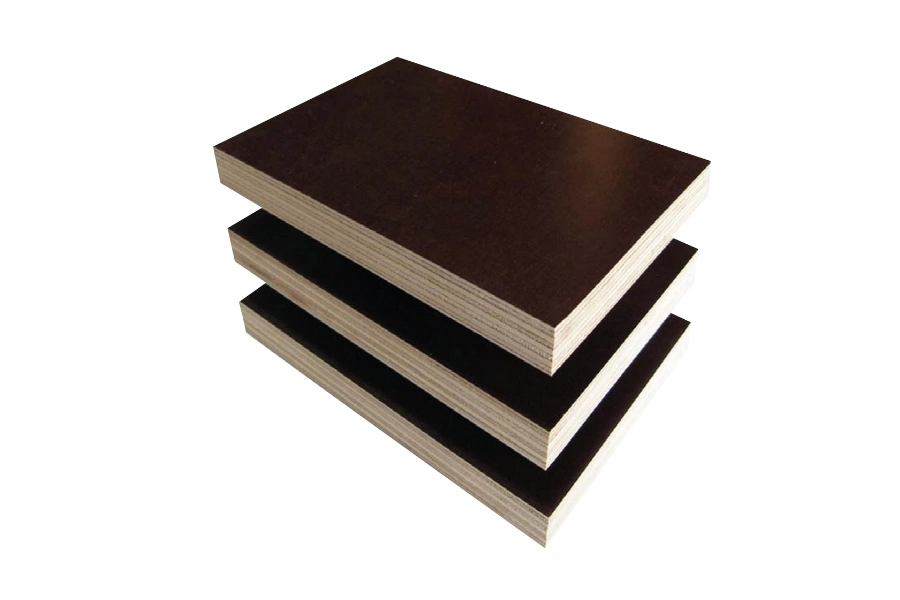
Before diving into why it’s used, you need to understand this material first. Polyfilm is a type of plywood coated with resin or a special film layer on its surface. This coating provides a smooth, water-resistant finish and makes the board stronger than regular plywood. This material is specifically designed for construction needs, particularly as a formwork during the concrete pouring process.
Why Is Polyfilm Widely Used for Formwork?
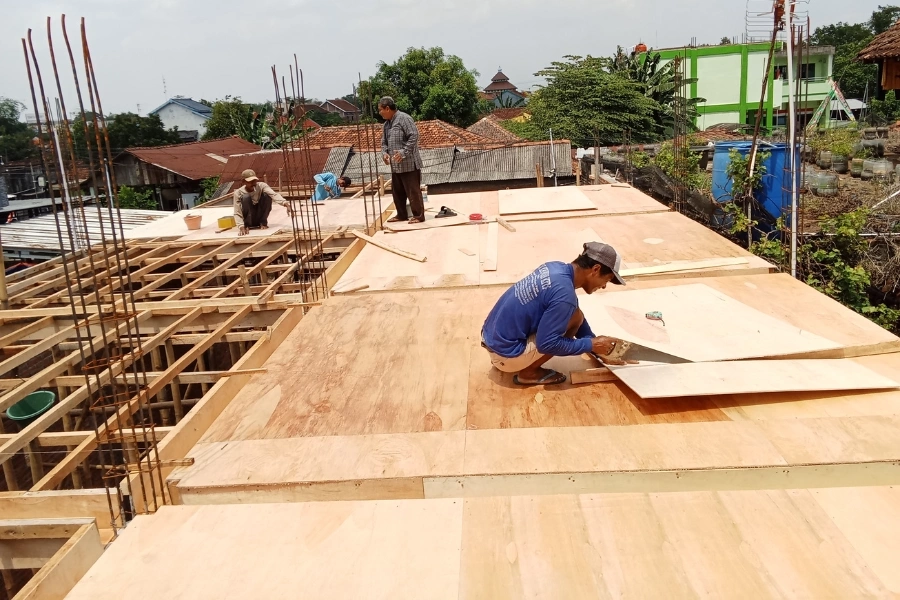
In formwork projects, material selection significantly impacts the final quality of the concrete and on-site efficiency. Polyfilm is a popular choice because it offers a combination of strength, durability, and ease of use. Here’s the explanation!
1. Smoother Concrete Surfaces
Its main advantage is its ability to produce a smoother, more even concrete surface with minimal pores. The film layer on the surface prevents the concrete from adhering too strongly, resulting in a neater finish and potentially reducing the need for additional finishing work.
2. Water- and Weather-Resistant
During the pouring process, formwork materials are frequently exposed to water, cement, and humid conditions. Polyfilm is water-resistant, so it does not easily deteriorate or swell, even when wet.
3. Reusable
Unlike standard plywood, which is typically single-use, polyfilm plywood can be reused multiple times. This clearly offers long-term material cost efficiency.
4. Easy to Clean and Remove
The smooth surface prevents concrete residue from sticking. This makes the formwork removal process faster and minimizes damage to the panels.
5. More Stable and Strong
The plywood’s cross-laminated wood structure makes it more resistant to pressure and less prone to warping when used as a formwork support.
How Many Times Can Polyfilm Be Reused?
Generally, polyfilm plywood can be reused about 3–4 times, depending on the material quality and how it’s maintained. However, if you use a higher-quality variant, such as phenolic film, it can be reused even more times.
The key factors are:
- How the formwork is removed
- Cleanliness after use
- Storage in a dry environment
Comparison with Regular Plywood
When compared to regular plywood, the difference is quite significant. Regular plywood is cheaper, but it deteriorates quickly and produces a less smooth concrete finish. Meanwhile, polyfilm plywood is slightly more expensive, but it’s more durable, produces a neater finish, and is more efficient in the long run. Therefore, for projects that demand quality and efficiency, polyfilm is the more sensible choice.
FAQ
1. Is polyfilm waterproof?
Yes, polyfilm is coated with a special film or resin, making it more resistant to water and moisture, and less prone to damage during the casting process.
2. Is polyfilm suitable for all types of projects?
It is suitable for a wide range of projects, from residential homes to large-scale construction such as buildings and infrastructure.
3. What is the ideal thickness of polyfilm for formwork?
Thicknesses ranging from 9 mm to 18 mm are generally used, depending on the specific needs and structural load.
Well, from the explanation above, we can conclude that polyfilm plywood isn’t just an ordinary material, but a solution specifically designed to improve the quality and efficiency of concrete formwork. From smoother cast surfaces and water resistance to reusability, all these features make the work more practical and cost-effective. So, if you’re looking for a more optimal formwork material, polyfilm is the solution!
But don’t forget to choose products with guaranteed quality. For this need, Hojaya offers a variety of materials, including polyfilm, plywood, solid wood, and other formwork essentials, ready for use in construction projects. With advantages like water resistance, a smooth surface, and reusability, our products are the perfect choice to support maximum work performance.
Let’s ensure your project runs more efficiently and delivers neater results with the best materials. Contact us or check out our products to find the solution that best fits your construction needs!