

Blog
Why Does Plywood Deteriorate So Quickly? Here Are the Causes and Solutions

Plywood is often a popular choice for various needs, ranging from furniture and interior design to construction. It’s relatively affordable, has a neat appearance, and is strong enough for many applications. However, many people complain that plywood deteriorates quickly, even after only a short time of use.
In reality, plywood isn’t a material that deteriorates quickly. The problem is that there are often mistakes in its selection, use, or maintenance. So, to help you avoid making the wrong moves, let’s find out the main reasons why plywood deteriorates quickly and the solutions you can implement!
What Causes Plywood to Deteriorate Quickly?
Many people assume plywood deteriorates quickly because of poor material quality. In reality, the cause isn’t that simple. There are several factors, namely:
1. Exposure to Excessive Moisture and Water
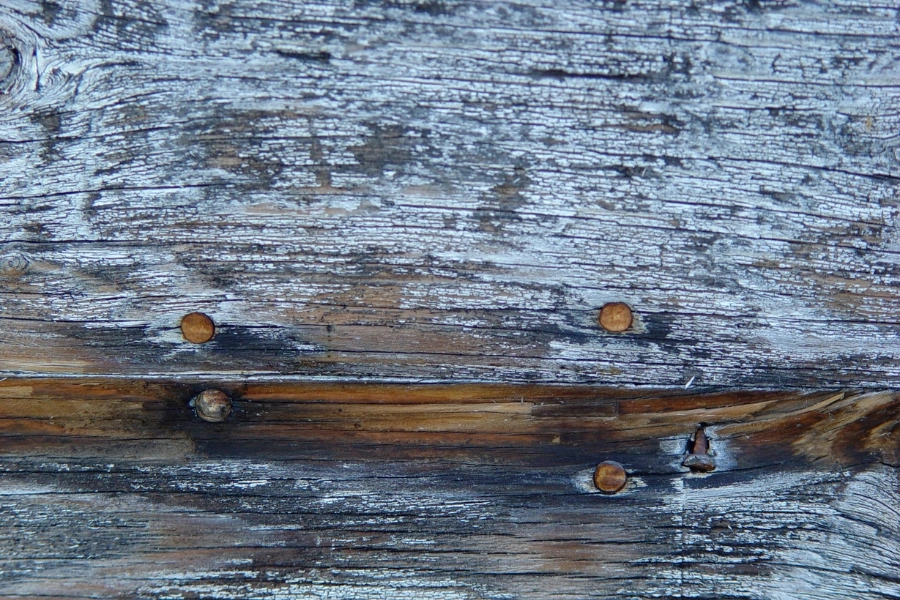
This is the most common cause. Plywood is highly sensitive to water. When it absorbs moisture, the inner veneer layers can swell, warp, or even separate (delaminate). Especially if used in areas like kitchens, bathrooms, or outdoors without additional protection, damage can occur much faster.
For this reason, you can use high-water-resistant plywood like marine plywood or add a protective coating.
2. Poor Adhesive Quality and Manufacturing
The strength of plywood depends heavily on the quality of the adhesive between its layers. If the adhesive used is of poor quality or the manufacturing process is suboptimal, the plywood will easily delaminate and lose its strength. Therefore, make sure you choose plywood from a trusted supplier with clear manufacturing standards.
3. Choosing the Wrong Type of Plywood for the Application
Many people use interior-grade plywood for semi-outdoor or damp areas. However, each type of plywood serves a different purpose. According to research, using plywood that is unsuitable for the environment is the primary cause of long-term material failure.
The solution is to match the type of plywood to the intended location—don’t just choose it because it’s cheap.
4. Improper Storage
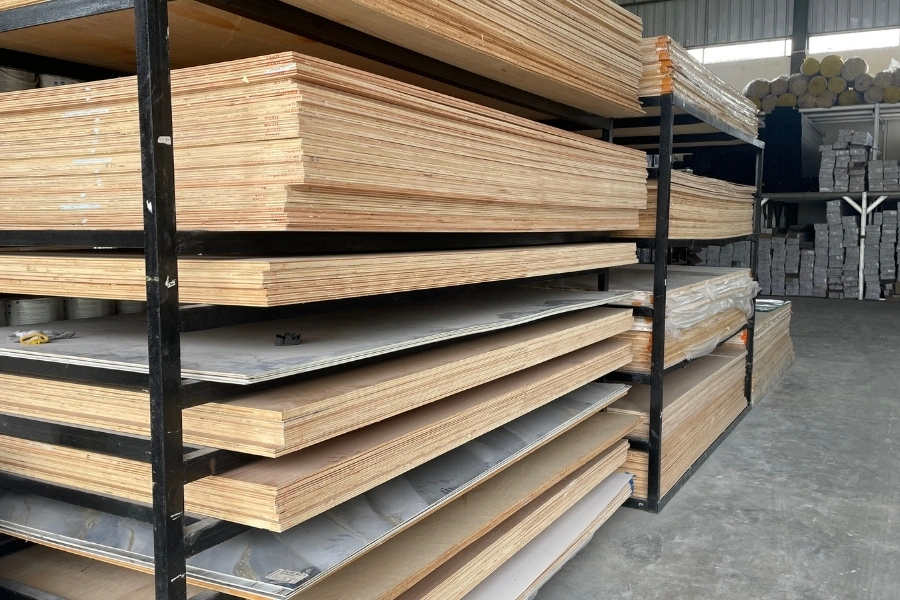
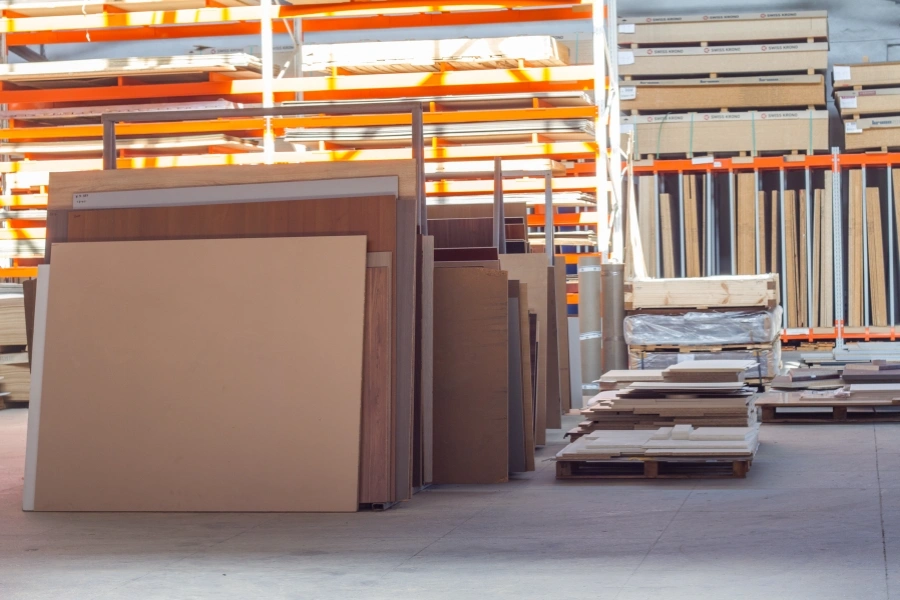
Plywood stored in damp areas, in direct contact with the ground, or left standing for too long can warp. The solution is to store plywood in a dry, level, and well-ventilated area.
5. Poor Core Material Quality
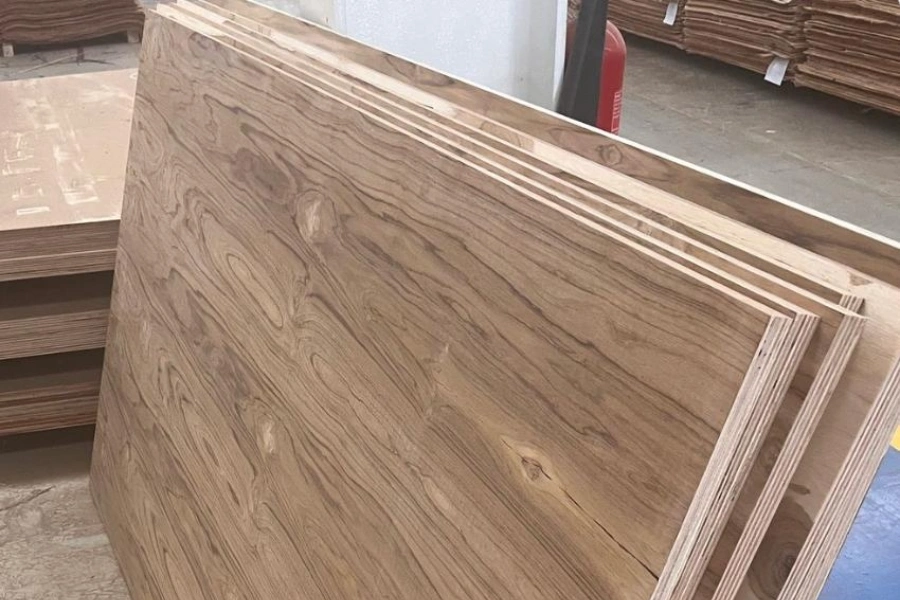
Some plywood has a core or inner layer that is not solid, has voids, or is made of low-quality wood. This drastically reduces its durability and strength. Therefore, inspect the edges of the plywood before purchasing; avoid pieces that appear hollow or not solid.
Tips for Making Plywood Last Longer
Can plywood last a long time? Absolutely, as long as it’s used properly, installed correctly, and given extra protection. Even under ideal conditions, plywood can last for decades. The key is:
- Using a coating or finish (HPL, paint, or laminate)
- Avoiding direct contact with water
- Sealing the edges of the plywood (edge sealing)
- Using a sturdy frame to distribute the load evenly
- Performing regular maintenance
So, why does plywood deteriorate so quickly? The bottom line is that it’s not because the material is poor quality, but rather due to improper selection, use, and maintenance. Factors ranging from humidity and manufacturing quality to improper storage can accelerate deterioration. However, don’t forget that the key lies in the initial selection of materials. Make sure you use high-quality plywood. So, if you want results that are more durable, neat, and with minimal risk of damage, don’t compromise on material quality.
To avoid making the wrong choice, you can get plywood from Hojaya. We offer a wide range of plywood options, from marine-grade, multi-melamine, blackboard, HMR, MDF, to various other materials for interior design and construction. All products are guaranteed for quality and ready to help your project reach its full potential.
Come on, choose the best plywood and achieve project results that are stronger, more durable, and definitely more professional. Contact us to discuss your project needs!
FAQ
1. How long does plywood last?
Generally, it can last 10–20 years or more, depending on quality and usage.
2. Is plywood water-resistant?
Not all types. Only specific types, such as marine plywood, offer better water resistance.
3. Why does plywood bubble?
Usually because it absorbs water or is exposed to excessive moisture.
4. What is the difference between inexpensive and expensive plywood?
The difference lies in the quality of the materials, the type of adhesive, and the density of the core.
5. Is plywood suitable for outdoor use?
Yes, but you need to use a special type and apply additional protection to make it more durable.